
Last updated November 4, 2026
 Wrought iron
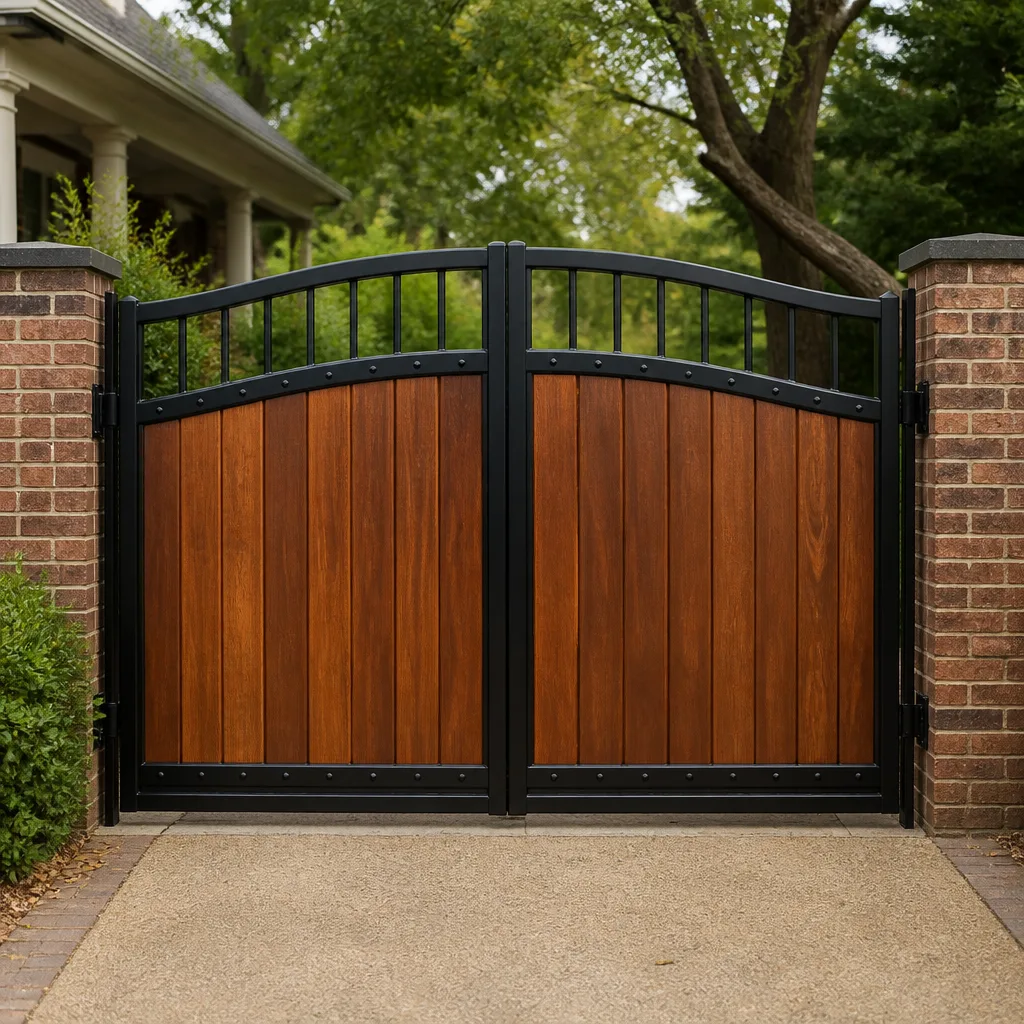 Wood & steel frame
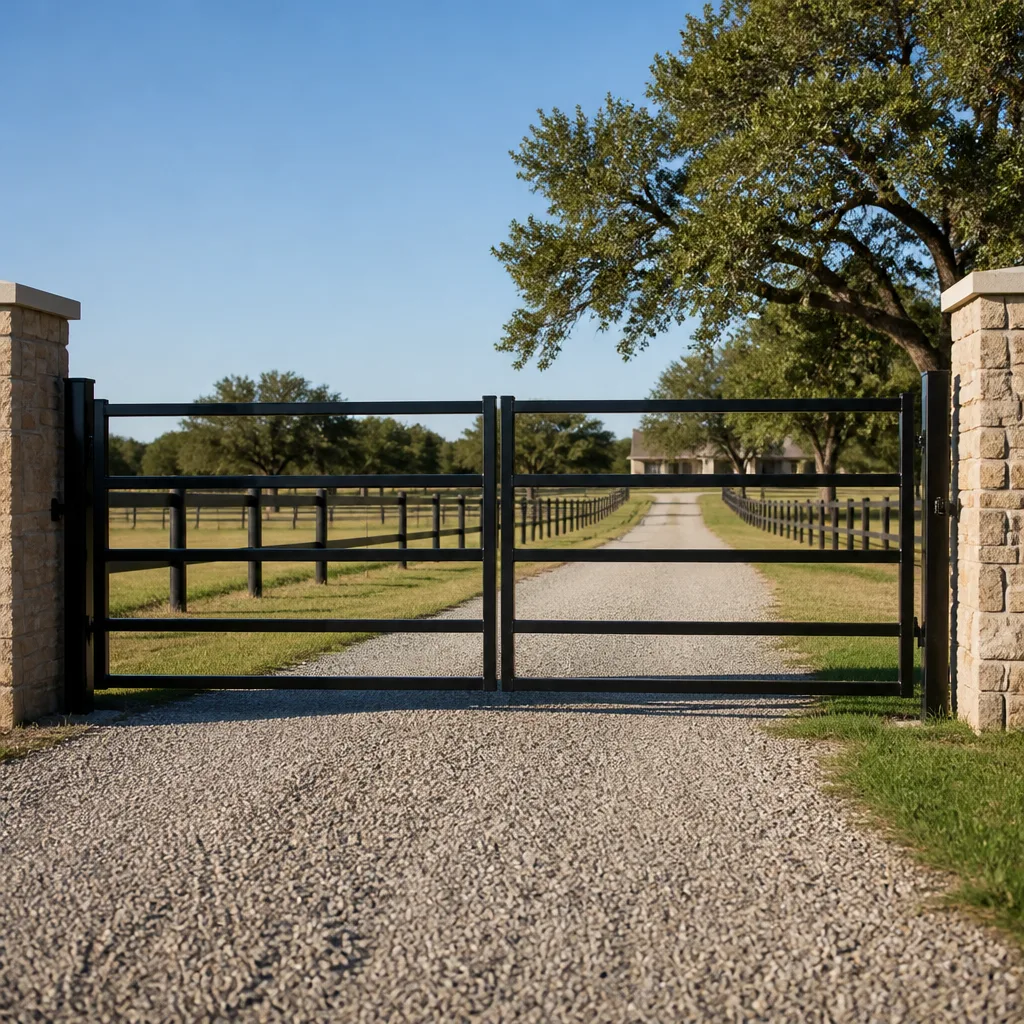 Farm & ranch
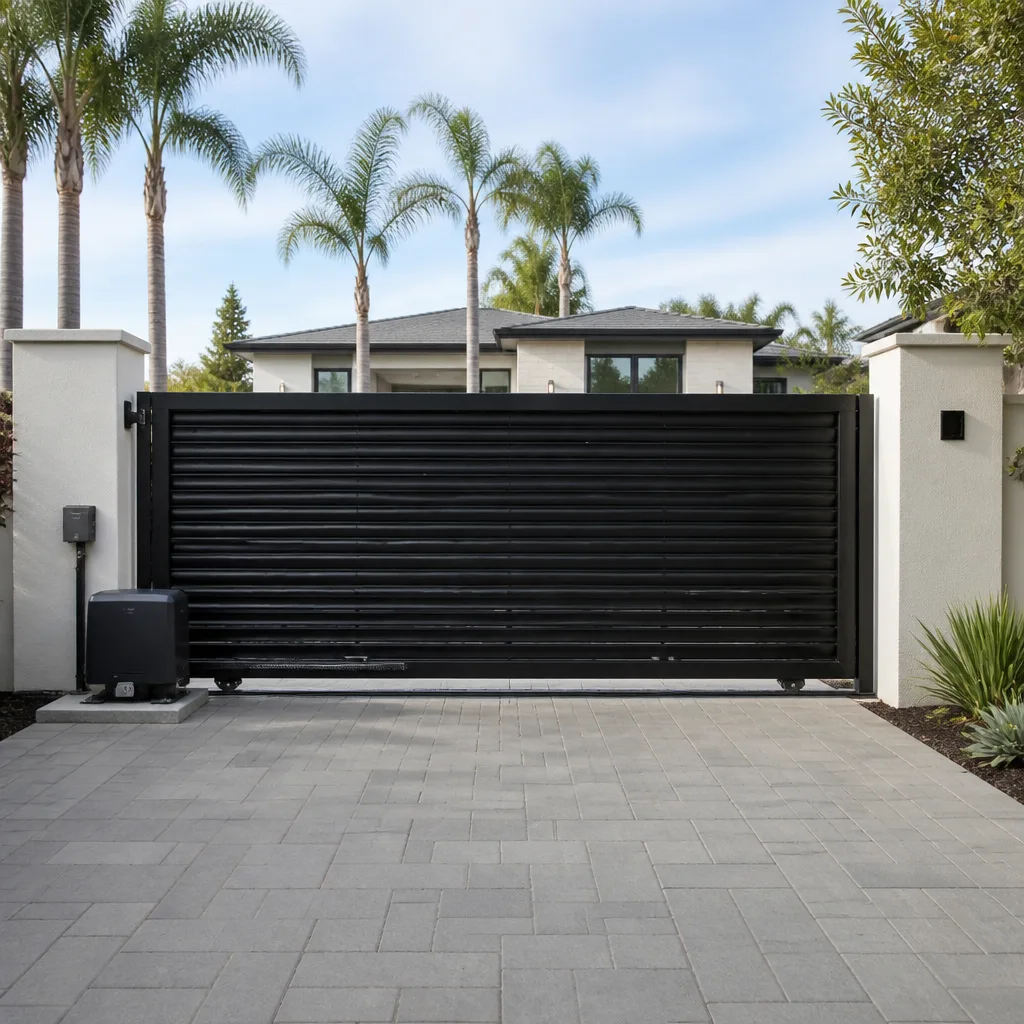 Sliding driveway gates
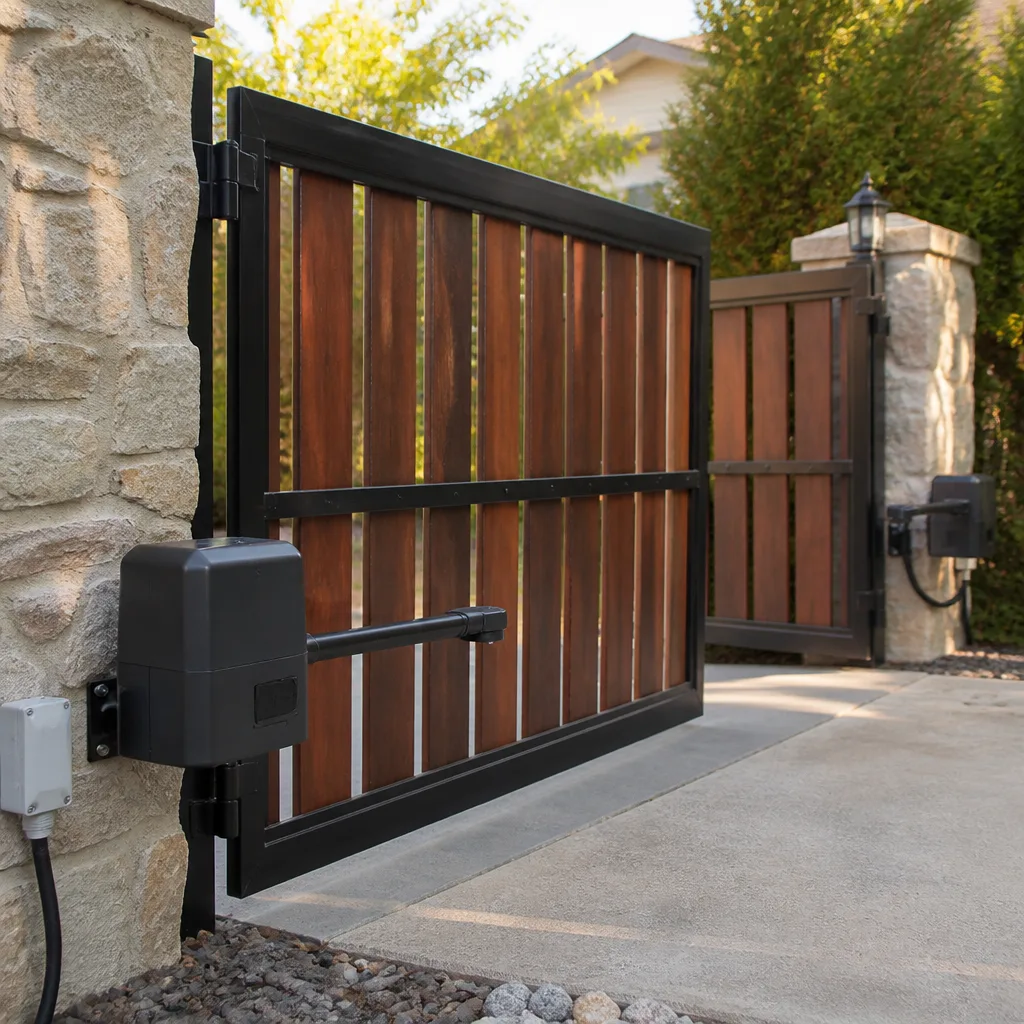 LiftMaster operators
Free on-site gate assessment - hinges, posts, and your LiftMaster or Nice gate operator checked before anything is quoted
The assessment is free and the quote is the invoice.
Get your free estimateSeasonal Gate Repair Care for Lake Forest: Year-Round Homeowner’s Guide
Most seasonal gate maintenance advice gets Lake Forest wrong. It assumes a freeze-thaw cycle that never happens here, or it treats every season as equally risky. The truth is simpler and stranger: your gate’s worst season in Lake Forest is summer, not winter. Heat kills control boards, Santa Ana winds twist arms and stress welds, and rain saturates the ground under loop detectors. This guide walks you through the four stress seasons that actually matter in Lake Forest, what to check, when to act, and how to avoid the predictable failures we see every year.
Quick Answer
Seasonal gate care in Lake Forest means four targeted checks: pre-summer control board and battery testing before June heat, post-Santa Ana structural inspection in late fall, rainy-season drainage and detector adjustments between December and February, and a spring force calibration and solar panel cleaning in March or April. Battery replacement every 18 months is the single most important task, because Lake Forest temperature swings shorten battery life faster than the standard 24-month recommendation.
Styles & brands we work with
- Wrought iron
- Wood & steel frame
- Farm & ranch
- Sliding driveway gates
- LiftMaster operators
Table of Contents
- Why Summer Is Your Gate’s Hardest Season in Lake Forest
- Santa Ana Season Prep: September Through November
- Rainy Season Care: December Through February
- Spring Reset: March Through April
- Battery Replacement: The 18-Month Rule
- Solar Panel and Wiring Care
- Common Mistakes to Avoid
- When to Call a Professional
- Frequently Asked Questions
Why Summer Is Your Gate’s Hardest Season in Lake Forest
June through early October is when most gate failures in Lake Forest actually begin, even if the gate doesn’t quit until later. Control boards are the weak point. When ambient temperatures climb toward 100°F in Foothill Ranch and Portola Hills, the inside of a metal operator housing can run 30 to 40 degrees hotter. Capacitors age faster, solder joints expand and contract, and motherboards that were barely holding on start throwing fault codes. A gate that worked fine in April can start ghost-opening or failing to close by late July.
Lubricant choice matters more in this climate than most homeowners realize. Standard lithium grease thins at sustained high temperatures and slings off drive chains and gear tracks, leaving metal on metal by August. We recommend high-temp rated lubricants for swing arm pivots, chain drives, and slide gate rollers. This is a five-minute task that prevents the kind of wear that turns a $200 repair into a $1,800 replacement.
Battery backup systems need a load test before the heat arrives. A battery that passes a voltage check in March can fail under load in July because heat accelerates internal corrosion. The test is simple: unplug the operator and run the gate through a full open-close cycle on battery power alone. If it slows or stalls, replace the battery before the grid brownouts that come with late-summer demand.
Here’s the summer prep checklist we run for Lake Forest homeowners:
- Ventilation check: Confirm the operator housing has clear airflow. Spider webs, leaf litter, and dust reduce cooling.
- Battery load test: Run the gate on battery power for one full cycle. Replace if it slows or hesitates.
- Lubricant replacement: Switch to high-temp rated lubricant on all pivot points, chains, and rollers.
- Solar panel output test: If your gate runs on solar, clean the panel and verify charge voltage at midday.
- Safety edge test: Heat affects rubber edges. Make sure the gate reverses immediately on contact.
This is also the season to watch for thermal expansion on long slide gates. Metal rails expand in direct sun. If the gate runs in the early morning but binds by 3 p.m., the track clearance may be too tight. A gate repair technician can adjust the clearance in one visit, and it’s far cheaper than replacing a motor that burned out fighting the added friction.
Santa Ana Season Prep: September Through November
Santa Ana winds are the most underrated gate hazard in Lake Forest. They arrive dry and gusty, often after months of summer heat has already stressed the hardware. Winds don’t damage a gate the way a car crash does. They work slowly, rocking a swing gate leaf back and forth, vibrating slide gate wheels, and prying at anything with play in it. By the time you hear a rattle, the damage has usually already started.
The most common failure we see after Santa Ana season is cracked welds on swing gate arms. A gate leaf acts like a sail. Gusts push against it, and every push flexes the weld where the arm meets the gate frame. Over a season or two, a hairline crack appears. It’s invisible to the naked eye until the gate sags or binds. A post-wind structural inspection catches these cracks before the arm separates completely.
Here’s how to inspect a gate after the first strong Santa Ana event of the season:
- Push test: With the gate open, push firmly on the top rail. Any movement or clicking sounds mean a loose weld or bracket.
- Weld check: Look closely at every weld on swing arms, hinge plates, and gate stops. Hairline cracks appear as thin dark lines.
- Track inspection: On slide gates, remove debris from the track and check for bent guides or worn wheels.
- Hardware torque check: Tighten every bolt on hinge brackets, wheel brackets, and operator mounts.
- Limit switch check: Wind can shift the gate enough to throw off limit settings. Run the gate and confirm it stops in the right place.
Leave removal is the easiest Santa Ana task. Eucalyptus leaves from Lake Forest hillsides collect in slide gate tracks, and dry leaves are light enough to be blown deep into operator housings. Once inside, they block ventilation and can sit against warm electrical components. Clear them out twice during Santa Ana season.
We work extensively with electric gate repair on systems damaged by wind. The electrical side is where wind problems get expensive: a gate that binds in its track draws more amperage, which overheats the control board and burns out capacitors. Fixing the mechanical binding early is what protects the electronics.
Rainy Season Care: December Through February
Lake Forest winters are mild, but rain still matters. The city gets most of its annual rainfall between December and February, and while it rarely freezes, it saturates the soil and pools in low spots. That’s where gate problems hide. Drainage channels around the gate posts and operator pad fill with silt, leaves, and debris. When water can’t drain, it sits against the base of the posts and the operator housing, accelerating corrosion on any exposed or scratched metal.
The first task every December is clearing drainage channels. It’s a simple job: pull leaves and debris from the channel, confirm the grade still slopes away from the gate posts, and check that the weep holes on the bottom of the operator housing are clear. Standing water is the enemy.
Loop detectors are the rain-sensitive component most homeowners forget about. A loop detector reads changes in inductance from a wire loop buried under the pavement. When the ground gets saturated, the electrical properties of the soil change, and the detector can become more sensitive. A gate that starts opening for cars passing nearby, or refuses to close after you pass through, often has a detector sensitivity problem that rain brought to the surface.
Rainy season hardware checks:
- Corrosion inspection: Look for bubbling paint, rust bloom, or white powder on aluminum. Touch up scratched paint with a rust-inhibiting primer.
- Drainage clearing: Remove debris from channels around posts, hinges, and the operator pad.
- Loop detector test: Drive over the loop slowly. If the gate opens late or not at all, the sensitivity needs adjustment.
- Exposed wiring check: Rain exposes any insulation cracks. Look for frayed or cracked jacket on low-voltage wiring.
- Safety edge test after rain: Wet rubber can behave differently. Test the reverse function after the first heavy rain.
Water intrusion into the operator housing is the biggest rainy-season risk. Housing gaskets dry out and shrink in summer heat, then let water in during winter rain. A little moisture on a control board causes corrosion that might not kill the board immediately, but shortens its life considerably. If you open the housing and see condensation or water stains, replace the gasket and dry the board thoroughly.
Spring Reset: March Through April
Spring in Lake Forest is a reset point, not a repair season. The gate has been through heat, wind, and rain. Now it’s time to restore the system to a clean baseline before the heat returns in June. The most important spring task is operator force calibration. Over the winter, lubricants thicken, debris changes track resistance, and limit switches wander slightly. A gate that was perfectly balanced in September can be working too hard by March.
Force calibration is the process of adjusting how hard the operator pushes to open and close the gate. Too much force means the gate will keep pushing even if a child or pet is in the way. Too little force means the gate stalls and reverses mid-cycle. This is a precise adjustment, and it’s one of the few tasks we recommend leaving to a professional unless you’re comfortable working with operator programming menus.
UV degradation on wiring insulation is a spring inspection item that most guides miss. Lake Forest gets a lot of direct sun, and the sun breaks down plastic wire jackets over time. By spring, the damage from the previous summer is visible: cracked, chalky, or peeling insulation on any exposed low-voltage wiring. This is a fire risk in the worst case and a short-circuit risk in the best case.
Spring reset checklist:
- Wipe down solar panels: Dust from Santa Ana winds and rain spots reduce panel output. A clean panel charges the battery faster.
- Inspect wiring insulation: Replace any sun-damaged wire before it shorts.
- Re-torque all fasteners: Thermal cycling loosens bolts over the year. Tighten everything.
- Run a full cycle test: Watch the gate through open, pause, and close. Listen for new noises.
- Verify safety features: Photo eyes and safety edges should work flawlessly, not intermittently.
For systems with Ghost Controls or Mighty Mule operators, spring is a good time to check the remote control range and reprogram if needed. Heat and moisture both degrade the receiver’s antenna connection over time, and you might find your remotes work at 20 feet when they used to work at 60. This is usually a quick fix, not a replacement.
Battery Replacement: The 18-Month Rule
Here’s the maintenance task that saves Lake Forest homeowners the most money: replace your backup batteries every 18 months, not the standard 24 months that manufacturer manuals suggest. The manuals are written for moderate climates. Lake Forest isn’t moderate. Our summers run hot, our Santa Ana winds blow dust into every housing, and the temperature swings between day and night in the foothills are wider than you’d expect. All of that ages batteries faster.
The failure mode is predictable. A backup battery works fine until the day it doesn’t. You won’t get a warning. The first sign is usually a gate that won’t open when the power goes out, or one that opens halfway and stalls. By then, you’re stuck outside or the gate is stuck open, and the fix is an emergency call instead of a planned replacement.
We see this with every brand. DoorKing operators, Elite systems, Linear boards, they all rely on the same battery chemistry, and the chemistry doesn’t care what brand is printed on the housing. The 18-month replacement rule applies across the board.
How to track it: write the installation date on the battery itself with a permanent marker. When you’re doing your spring reset in March, check the date. If it’s been 18 months or more, replace it. This is one of the easiest preventive tasks and one of the most frequently skipped.
Solar Panel and Wiring Care
Solar-powered gates are common in Lake Forest because many properties sit far from a convenient power source. Solar works well here most of the year, but it has two weak points: dust and heat. Santa Ana winds coat panels with a fine layer of dust that cuts output by a surprising amount. Summer heat reduces panel efficiency even when the sun is strongest. The combination means your solar system produces less power exactly when the gate is working hardest.
Clean the panel seasonally, not annually. A hose-down in March after the rains, another in June before peak heat, and a third in November after Santa Ana winds is about right. Use water only. Abrasive cleaners scratch the glass, and scratches scatter light.
Wiring care is about prevention. Solar wiring runs from the panel to a charge controller, then to the battery and operator. Every connection point is a potential failure. Heat expands connections, rain corrodes them, and wind vibrates them loose. Loose connections create resistance, resistance creates heat, and heat creates fire risk. Once a year, have every connection checked for tightness and corrosion.
Common Mistakes to Avoid
- Lubricating without cleaning first: Adding fresh grease over old, grit-laden grease creates an abrasive paste. Clean the surface before applying new lubricant, or you’ll accelerate the wear you’re trying to prevent.
- Ignoring a noisy gate: A gate that squeaks, grinds, or rattles is telling you something specific. Waiting until it fails turns a lubrication job into a motor replacement. Noise is the earliest warning sign a gate gives.
- Using WD-40 on gate hardware: WD-40 is a solvent, not a long-term lubricant. It cleans but doesn’t protect. Use a proper high-temp lithium or moly-based grease on pivot points and chains.
- Skipping the battery until it dies: Backup batteries don’t give warning. By the time you know it’s dead, you need it. Replace on a schedule, not on symptoms.
- Adjusting force settings without understanding them: Cranking up force to solve a binding gate hides the problem and defeats the safety features. Find the binding first.
- Ignoring drainage until there’s standing water: Water at the base of a gate post is already doing damage when you see it. Clear drainage before the rains at Lake Forest arrive, not after.
- Running a gate with a broken safety edge: A gate that can’t reverse on contact is a liability. Fix safety features immediately, even if the gate still opens and closes.
When to Call a Professional
Most of this guide covers tasks a confident homeowner can do in an afternoon. Some things aren’t worth the risk. If your gate binds and you can’t identify the cause, if a control board shows a fault code you don’t understand, if the gate reverses mid-cycle for no reason, or if you see cracked welds on a swing arm, call a specialist. Gate systems combine heavy moving panels with electrical components, and a wrong adjustment on the electrical side can burn out a board faster than any weather will. Gate Repair Lake Forest offers free estimates in Lake Forest – call (866) 472-6659. We answer 24/7. Fast dispatch from 7am to 7pm, Sunday through Friday.
Frequently Asked Questions
Two seasonal checkups per year cover most Lake Forest gates: one in late May or early June before the heat peaks, and one in late October or early November after the first Santa Ana winds. The battery replacement every 18 months is separate and can be done during either checkup.
Control board failure from heat stress is the most common gate problem we see in Lake Forest. Operator housings trap heat, and sustained summer temperatures shorten board life considerably.
Yes. Cleaning, lubricating, clearing debris, and testing safety features are all homeowner-appropriate tasks. Force calibration, board diagnostics, and weld inspection are better left to a professional with the right tools and experience.
Plan on 18 months. Lake Forest heat, dust, and temperature swings shorten battery life compared to the 24-month figure in manufacturer manuals.
Rain changes the soil’s electrical properties, which affects loop detector sensitivity. A gate that opens early, opens for passing cars, or won’t close after you pass through often just needs a detector sensitivity adjustment.
We work with all major residential and light-commercial brands, including Mighty Mule, Ghost Controls, DoorKing, Elite, and others. Our technicians diagnose whatever system you already own rather than pushing a single brand.
The Bottom Line
Seasonal gate care in Lake Forest isn’t about winterizing. It’s about adapting to the climate patterns that actually damage gates here: summer heat, Santa Ana winds, winter rain, and spring dust. The four-season rhythm is simple. Prep for heat in June. Inspect for wind damage in November. Manage drainage and detector sensitivity through the winter. Calibrate and restore in spring. Replace batteries every 18 months, not 24. Do that, and you’ll avoid most of the failures that lead to expensive gate repairs in Lake Forest. Need help? We specialize exclusively in gates, from mechanical Gate Repair Lake Forest to full automated system replacement. Call (866) 472-6659 for a free estimate. We answer 24/7. Fast dispatch from 7am to 7pm, Sunday through Friday.
Written by the team at Gate Repair Lake Forest, serving Lake Forest since 2017.
See the difference
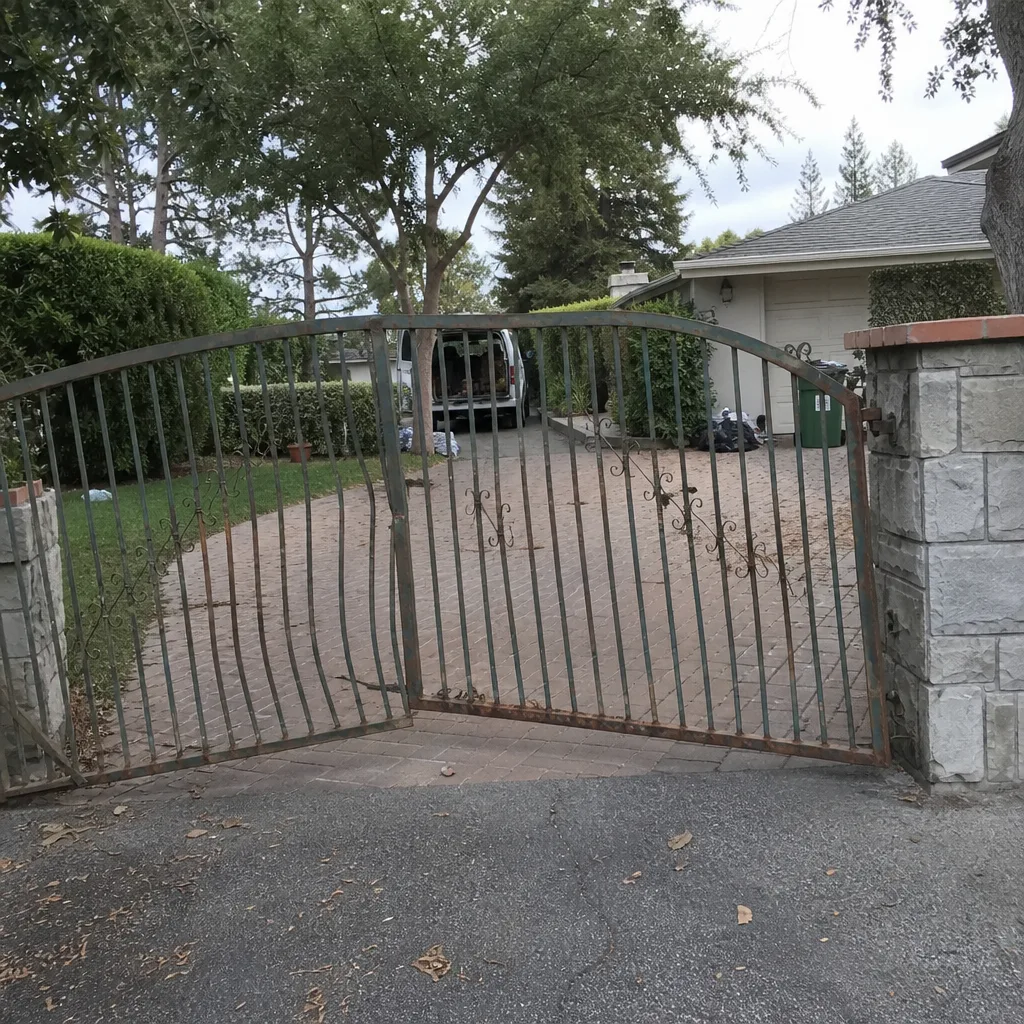 Before
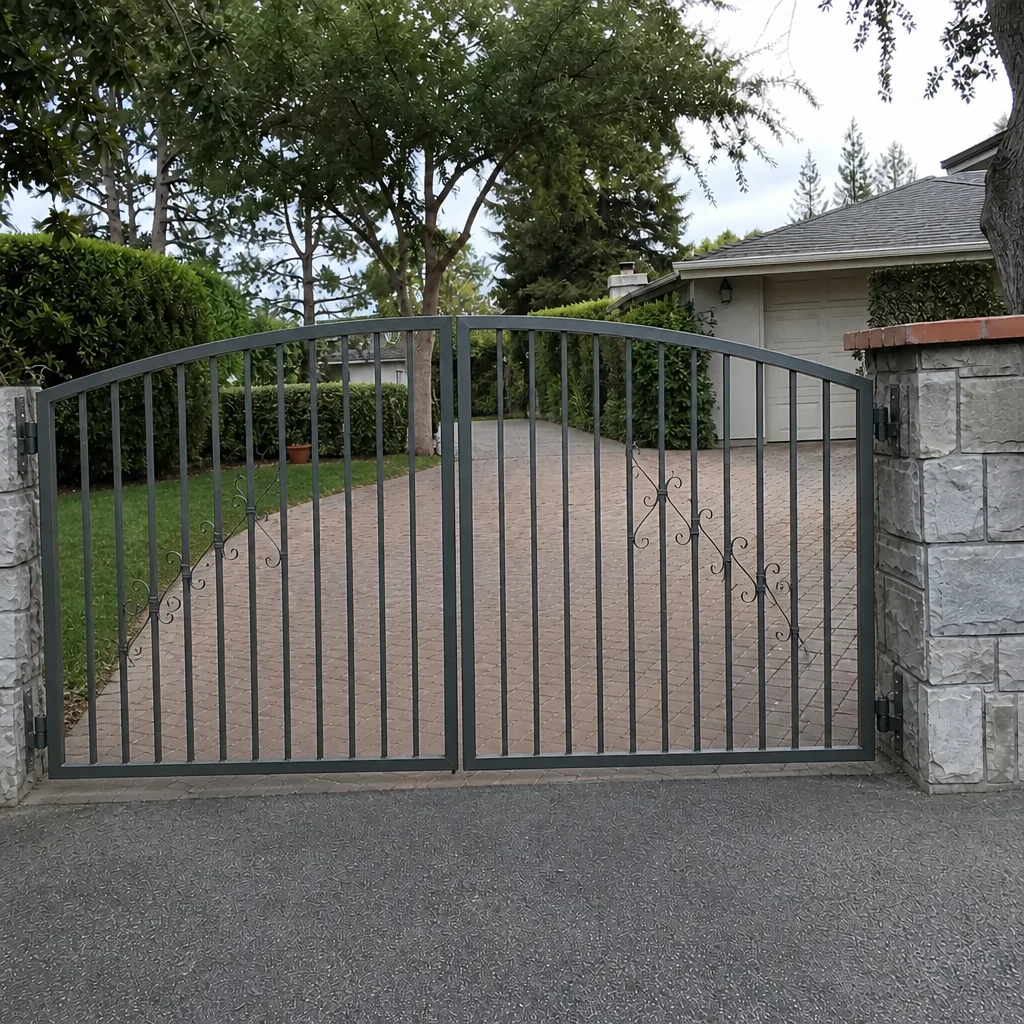 After
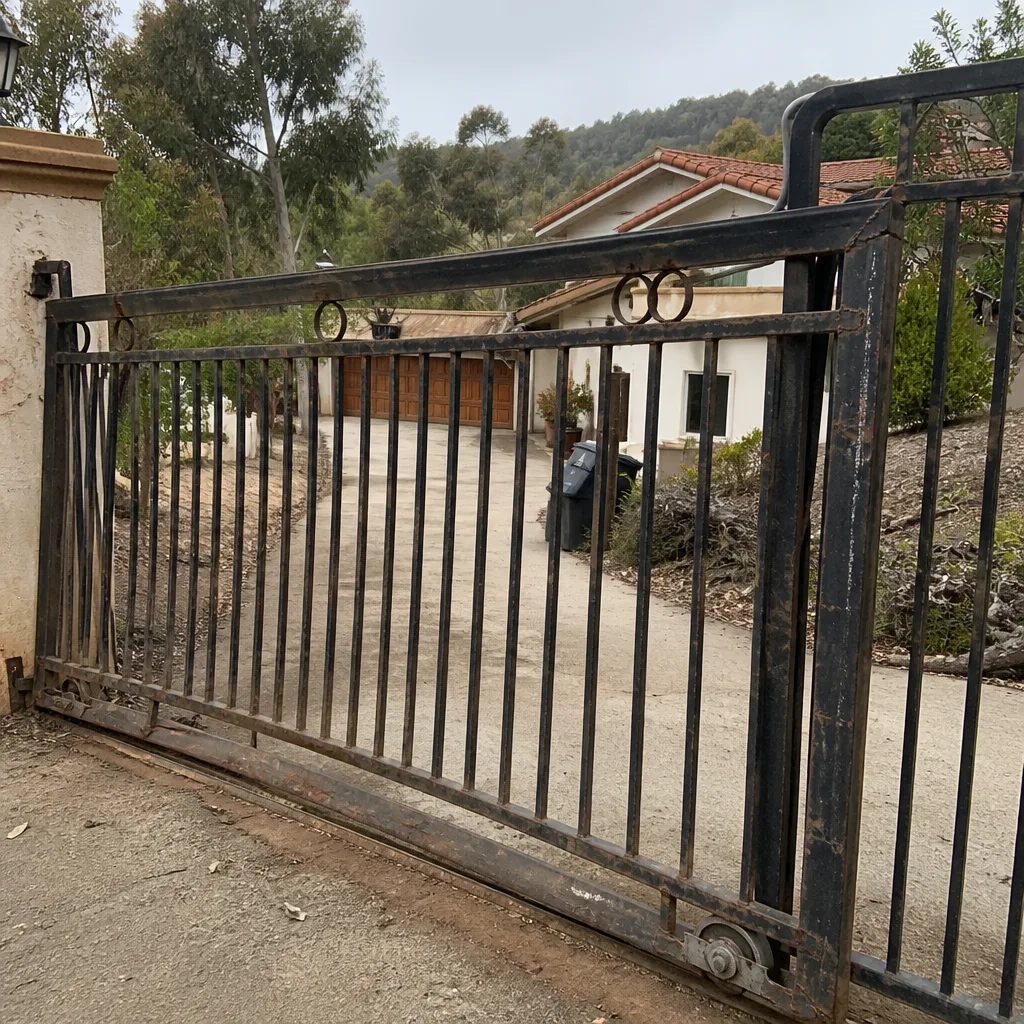 Before
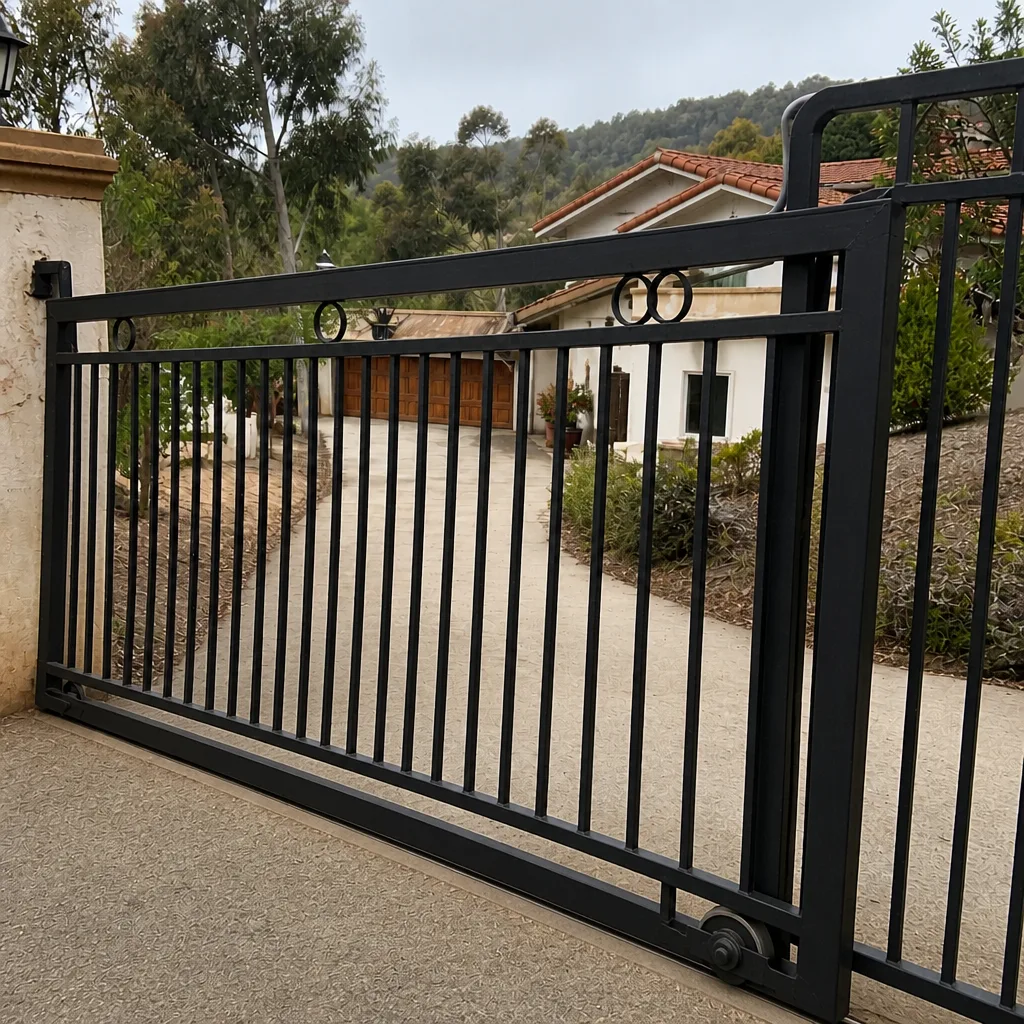 After
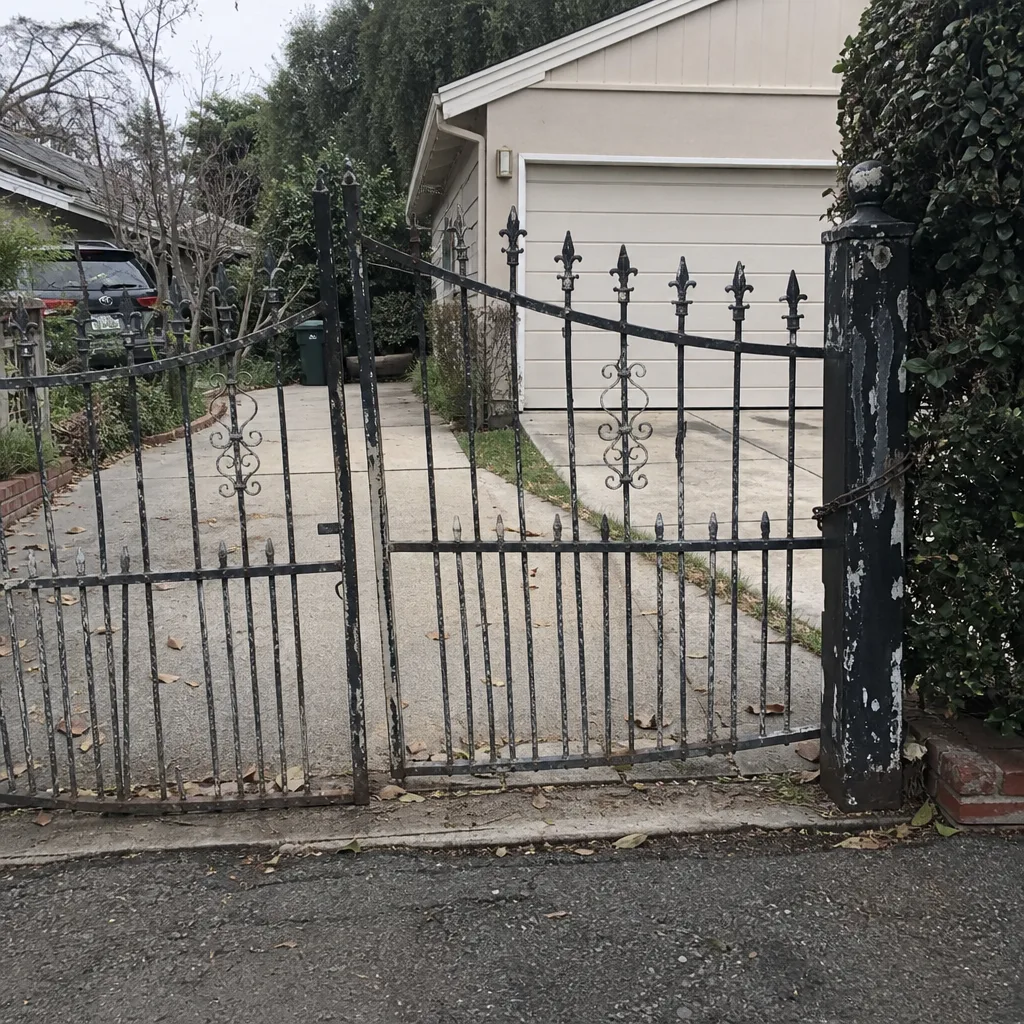 Before
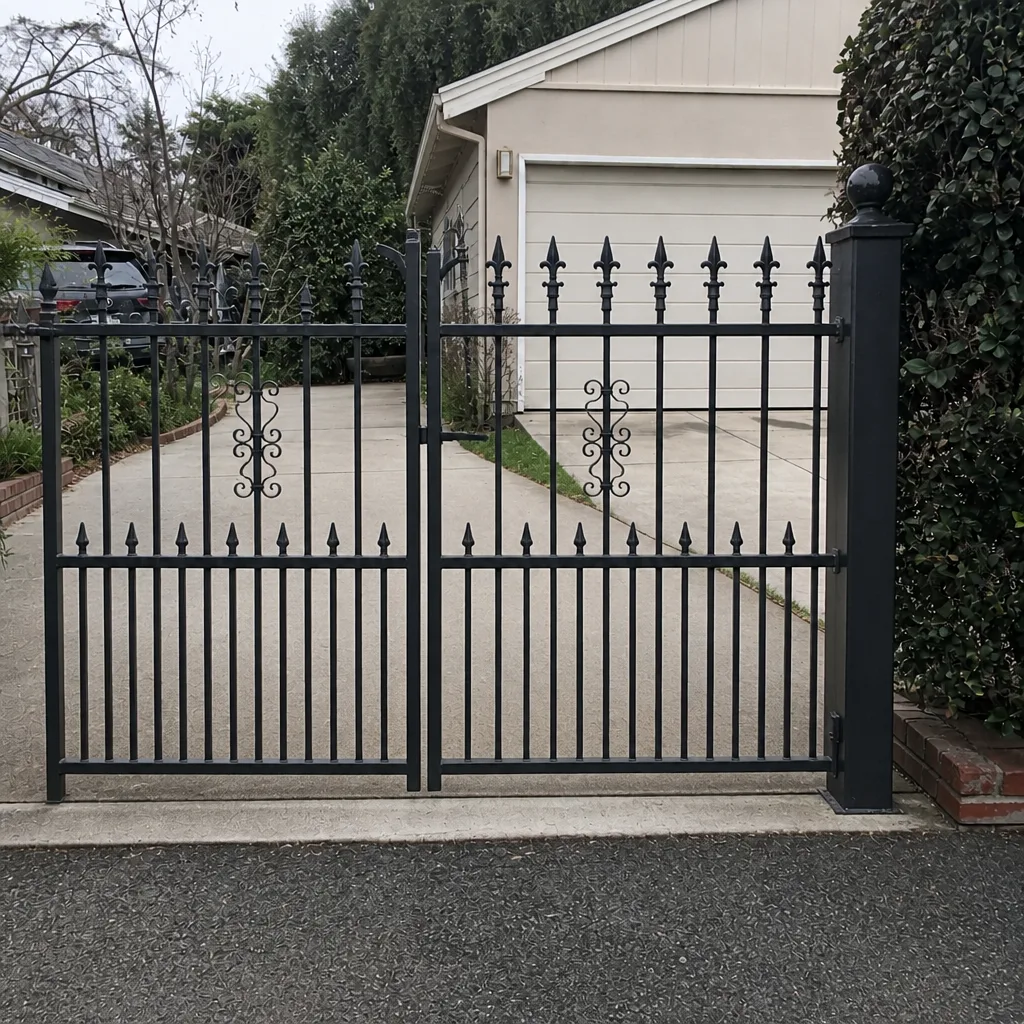 After