
Last updated November 4, 2026
 Wrought iron
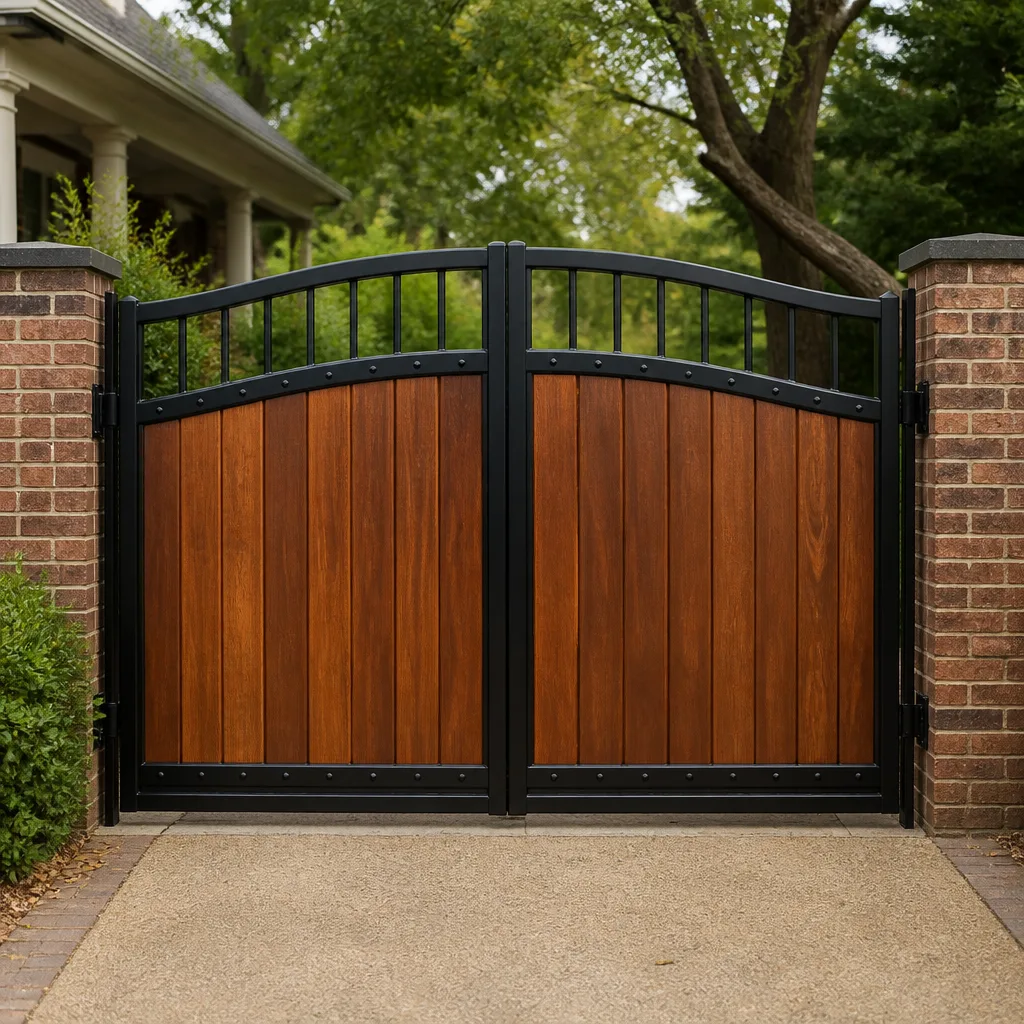 Wood & steel frame
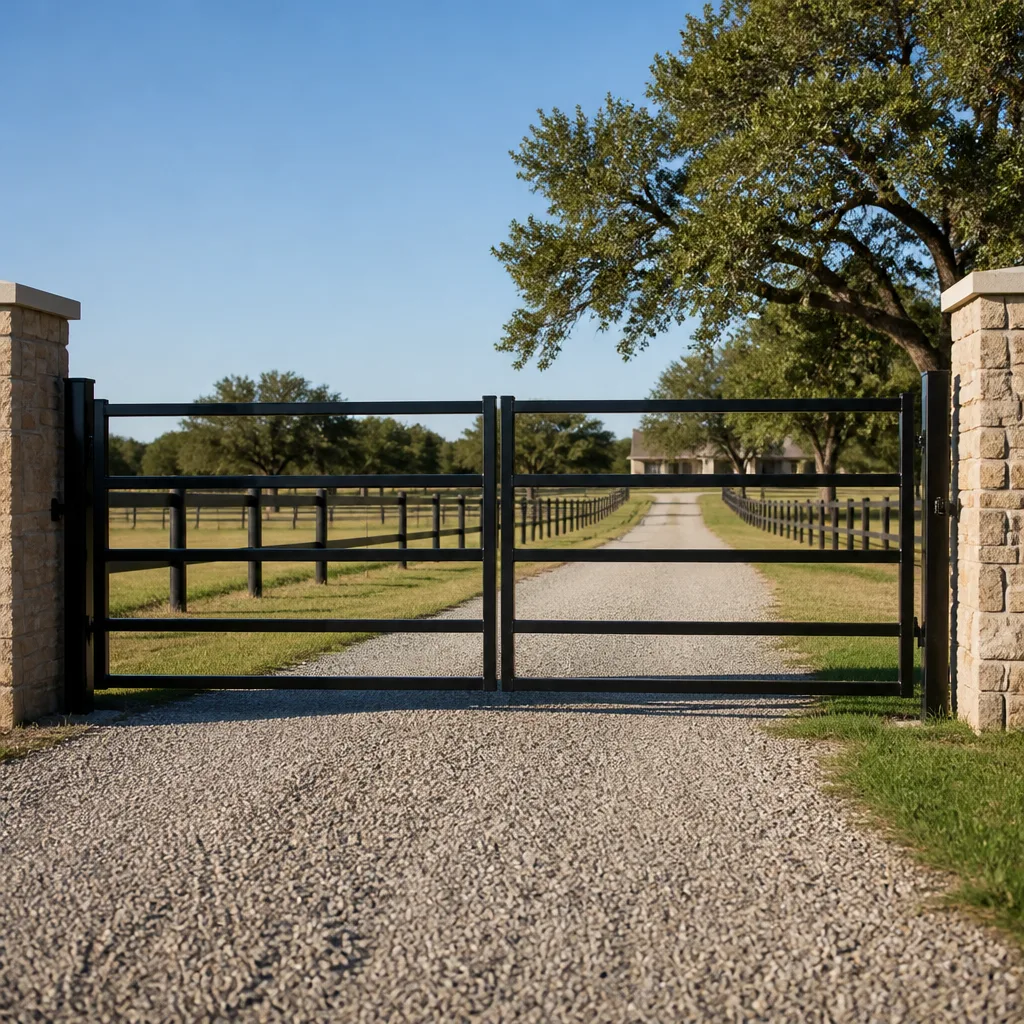 Farm & ranch
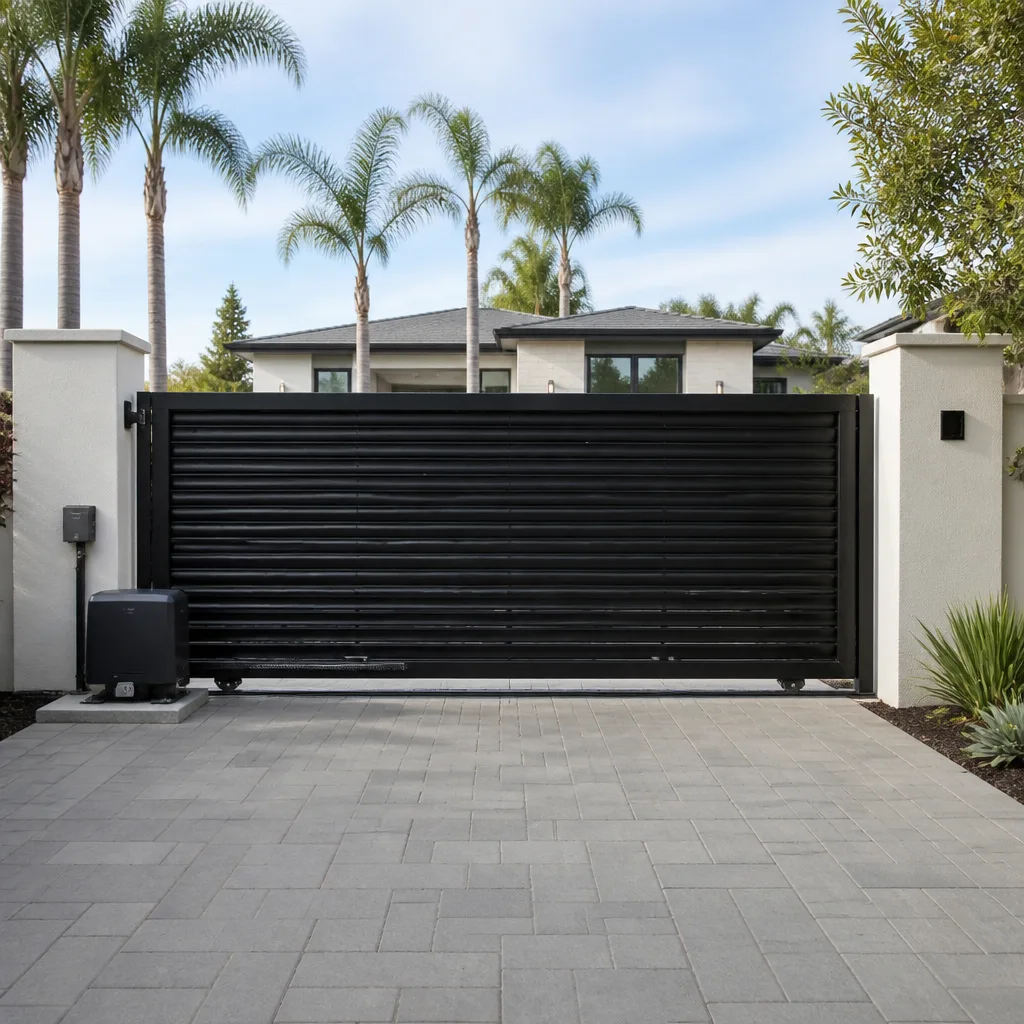 Sliding driveway gates
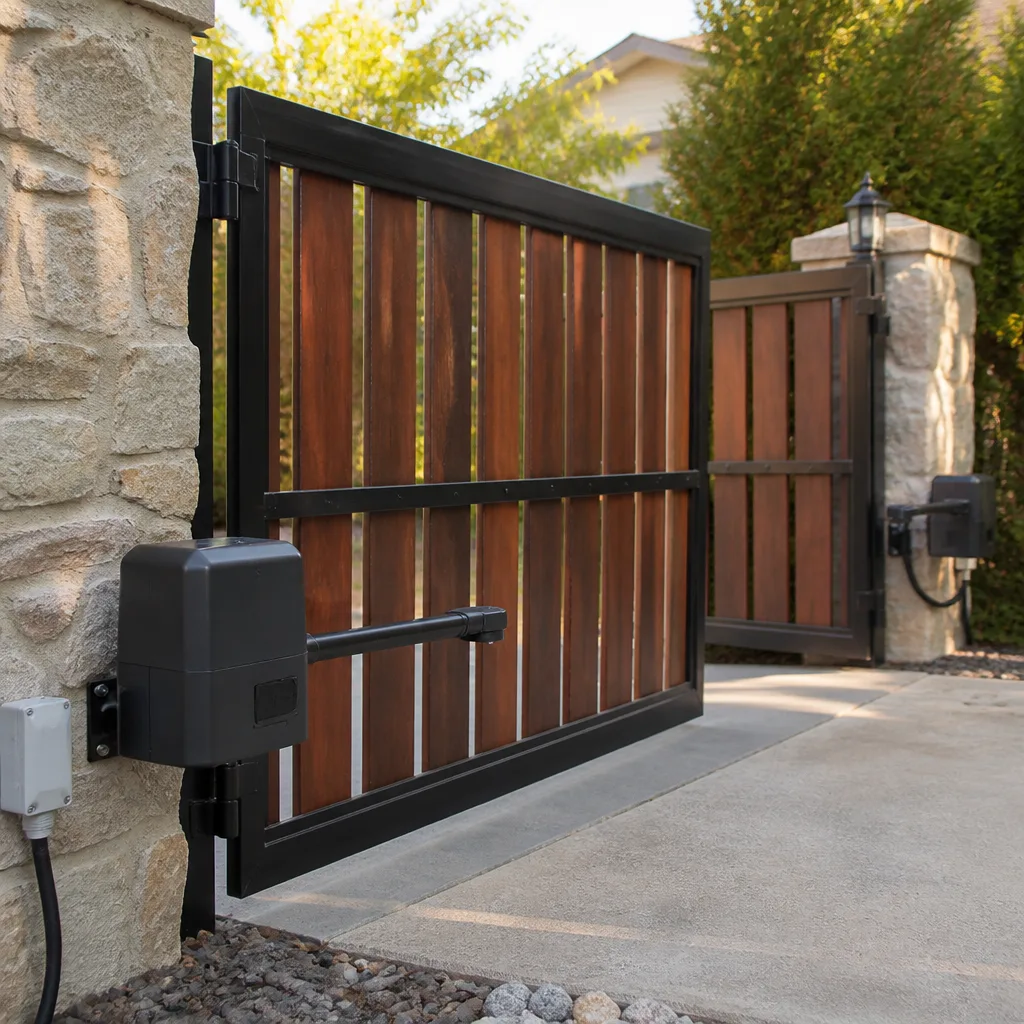 LiftMaster operators
Free on-site gate assessment - hinges, posts, and your LiftMaster or Nice gate operator checked before anything is quoted
The assessment is free and the quote is the invoice.
Get your free estimateThe Complete Guide to Gate Repair in Lake Forest
Most Lake Forest homeowners misdiagnose their gate problem on the first try, and it costs them. A gate that reverses before closing isn’t a “sensor problem” as often as it’s a torque setting, an obstruction loop sensitivity issue, or a dying battery backup. Misreading the symptom is why so many people pay for the same repair twice. This guide maps gate failures by their root cause, not by the part name, so you can stop treating symptoms and fix the actual problem. We’ll cover how Lake Forest’s soil affects gate posts, why electric gates fail differently than manual gates, and what to document before you call a technician.
Quick Answer
Gate repair in Lake Forest starts with identifying whether the failure is structural, mechanical, or electrical. Most automated gate problems trace back to one of three overlooked root causes: post movement from expansive soil, operator misadjustment from temperature swings, or wiring degradation at connection points. A specialist can diagnose most issues in one visit, and the repair typically costs less when caught before a minor misalignment cascades into operator damage.
Styles & brands we work with
- Wrought iron
- Wood & steel frame
- Farm & ranch
- Sliding driveway gates
- LiftMaster operators
Table of Contents
- The Three Root Causes Behind Most Lake Forest Gate Failures
- Gate System Failure vs. Gate Operator Failure
- How Lake Forest Soil Affects Gate Post Stability
- Brand-Specific Failure Patterns We See in Lake Forest
- How to Document a Gate Failure Before Calling
- What HOA Gate Repairs in Portola Hills Involve
- Common Mistakes to Avoid
- When to Call a Professional
The Three Root Causes Behind Most Lake Forest Gate Failures
When a gate stops working, the symptom is obvious: it won’t open, it reverses mid-cycle, it grinds, it sags. The root cause is usually less obvious. In our experience across Lake Forest, Foothill Ranch, and Portola Hills, most repeat repairs come down to three overlooked factors.
1. Post Movement from Soil Shift
Lake Forest sits on varied soil. Foothill Ranch has expansive clay that swells with moisture and shrinks when dry. Newer tracts often have sandy fill that settles unevenly. Either way, gate posts move. A post that shifts half an inch changes the gate’s swing geometry, which forces the hinges out of alignment, which makes the operator work harder, which eventually burns out the motor or strips the drive mechanism. The gate sagging is the symptom. The post moving is the problem.
2. Operator Misadjustment from Temperature Cycles
Lake Forest’s mild climate means we don’t get freeze-thaw cycles, but we do get persistent heat and cool overnight swings. Metal expands and contracts. Over time, torque settings that were correct at installation drift. Limit switches that set where the gate stops creep. An opener that worked fine for two years suddenly reverses before the gate closes, and the homeowner assumes a sensor failed. Often, the sensor is fine. The settings have just wandered far enough that the operator’s logic now reads a false obstruction.
3. Wiring Degradation at Connection Points
Electric gates depend on low-voltage wiring: loop detectors, keypads, safety edges, photocells. The weak points are almost always the connections, not the wire runs. Junction boxes at the post base collect moisture. Wire nuts corrode. Splices pull loose from repeated gate movement. A gate that works intermittently, especially after rain, usually has a connection problem. Diagnosing it properly means tracing each circuit rather than replacing the control board and hoping.
Gate System Failure vs. Gate Operator Failure
The single most useful distinction you can make before calling a technician is knowing whether the failure is in the gate system or the gate operator. They require different diagnostic starting points, and telling us which one you’re dealing with saves time.
A gate system failure is structural or mechanical. The gate itself is damaged, the hinges are worn, the post has shifted, the track is bent, or a wheel has failed. Symptoms include sagging, scraping, sticking halfway, or a gate that swings freely but won’t latch. These are physical problems you can usually see or feel.
A gate operator failure is electrical or logic-based. The motor, control board, wiring, sensors, or access controls are involved. Symptoms include a gate that won’t respond to the remote, beeps without moving, reverses unexpectedly, or trips a breaker. The gate itself may be perfectly fine.
Here’s the step-by-step we use to separate them:
- Run the gate manually. Disconnect the operator and push the gate by hand. If it’s hard to move, the problem is the system, not the operator. A properly aligned gate should swing or slide with modest effort.
- Watch and listen. Does the operator hum but not move? That’s the motor or drive. Does it click but stay silent? That’s a board or power issue. Does the gate move a few inches then stop? That’s likely a sensor, obstruction setting, or mechanical bind.
- Check the obvious electrical points. Is the control board showing lights? Is the battery backup holding charge? Are any wires visibly loose or corroded at the junction box?
- Note when it fails. Only after rain? Only in the afternoon heat? Only when a car approaches from one direction? Timing patterns point to specific components.
If you can tell us “the gate moves manually but the operator hums” versus “the operator runs but the gate barely moves,” we arrive with the right diagnostic focus. That’s the difference between a one-hour visit and a two-visit repair.
How Lake Forest Soil Affects Gate Post Stability
Expansive clay in Foothill Ranch behaves differently than the sandy fill common in newer Lake Forest tracts, but both create the same end result: gate posts move. The soil question matters because a gate operator cannot compensate for a post that’s no longer where the installer put it.
In Foothill Ranch, the clay expands during the rainy season and contracts through dry months. A post set in concrete that doesn’t reach proper footing depth will heave slightly in winter, then settle back in summer. The gate’s latch no longer lines up with the strike. The operator’s limit switches see the gate stop too early or too late. Symptoms appear as intermittent non-closures or false obstruction reversals.
In newer tracts with sandy fill, posts settle gradually. The gate develops a droop on the free-swinging end. The operator’s drive arm takes on extra load. Over months, that extra load shortens the life of the drive mechanism and can crack the board’s relay from repeated overcurrent.
The fix is never just tightening the operator. The post has to be reset, the gate re-hung, and the operator recalibrated. This is why we look at the concrete, the post, the hinges, and the hardware before we touch a circuit board. A gate repair that ignores the post is a repair you’ll pay for again.
Brand-Specific Failure Patterns We See in Lake Forest
Different operators have different weak points, and we’ve worked on enough units in Lake Forest to know what to expect at different ages. If you own a LiftMaster, an Elite, a Viking, or a DoorKing, here’s what typically fails and when.
LiftMaster
LiftMaster residential operators are common on single-family driveway gates in Lake Forest. The most frequent failure we see is the drive gear wearing at the 5 to 7 year mark. It’s a known mechanical wear item. The gate starts to move slower, then slower, then stops entirely while the motor still runs. Replacing the gear is straightforward and far cheaper than replacing the operator. The second most common issue is the battery backup failing silently, usually after 3 to 4 years, which causes the gate to lose its settings during a power interruption.
Elite
Elite operators are popular on heavier swing gates. Their weak point tends to be the limit switches on older models, particularly on gates that cycle frequently. When a limit switch drifts or fails, the gate over-travels and slams the stop, which eventually damages the hinge points. We also see circuit board relay failures on Elite units exposed to sustained Southern California heat, especially when the control box faces west with no shade.
Viking
Viking’s commercial-grade hardware shows up on many Lake Forest HOA entries and multi-property gates. The failure pattern we see most often is tied to loop detector wiring, particularly on older installations where the saw-cut loops were sealed poorly. Water intrusion into the loop causes constant call signals, which makes the gate stay open, close erratically, or refuse to open at all. The operator itself is usually fine.
DoorKing
DoorKing is common on private road entries and estate gates. Their older control boards are vulnerable to power surges, and we’ve seen repeated board failures in areas of Lake Forest with frequent electrical events. On slide gates, the guide rollers wear and cause the chain to ride off the sprocket if not caught early. That’s a maintenance item many owners don’t know exists until the gate derails.
Whatever brand you own, the diagnostic approach matters more than the logo. We work on electric gate repair across LiftMaster, FAAC, BFT, Linear, Viking, Ghost Controls, DoorKing, Elite, and Mighty Mule. That matters because we’re not tied to one brand’s parts supply or one manufacturer’s tech support line. We can service whatever is already installed and tell you honestly whether a repair or replacement makes more sense.
How to Document a Gate Failure Before Calling
A ten-minute documentation routine before you call makes the diagnosis call shorter and the first visit more productive. Here’s the exact sequence we recommend to Lake Forest homeowners.
- Note the exact symptom. Write down what the gate does and what it should do. “Won’t open from remote” is different from “opens from remote but not keypad” and different from “opens but immediately reverses.”
- Record whether the gate moves manually. If you can safely disconnect the operator and push the gate, note whether it moves freely or drags. Don’t force a gate that’s binding.
- Take a photo of the operator and control board. A clear picture of the brand name, model number, and the LED status lights on the board saves us from asking you to read tiny print over the phone.
- Note any recent weather or events. Did it rain recently? Was there a power outage? Did the gate get hit by a car or knocked by a delivery truck? Recent events narrow the cause quickly.
- List any access-control components. Keypads, intercoms, clickers, phone apps. Knowing what’s connected helps us trace the wiring before we arrive.
This information means our technician arrives knowing which tools to bring and which parts to have on the truck. It’s the difference between fixing the gate on the first visit or scheduling a follow-up.
What HOA Gate Repairs in Portola Hills Involve
Residential HOA gates in communities like Portola Hills carry different repair constraints than private driveway gates. When the gate serves a shared entry, several factors change how the job works.
First, the CC&Rs typically govern the gate’s specifications: height, style, operator type, and sometimes even the brand. An HOA can’t just swap a Viking for a DoorKing without board approval and often an architectural review. Second, the infrastructure is shared. Loop detectors, keypads, and access codes serve multiple residents. A repair affects everyone, so the diagnosis has to account for patterns across many users, not just one homeowner’s experience.
Third, access control matters more. HOA gates are usually tied to a directory system, a phone line, or a fob distribution system. The gate failing is one problem. The directory not connecting to the right unit is a different problem that looks like a gate failure to the resident pressing the button.
We work on these systems regularly. The approach is to isolate the gate mechanics first, then the operator, then the access-control layer, in that order. HOA boards often appreciate the structured diagnostic because it produces a clear recommendation with a written price before any work begins. For private homeowners, the same discipline applies: the estimate is free, and the written price is agreed before we start.
Common Mistakes to Avoid
- Replacing the operator before checking the gate. When a gate sags or binds, a new operator will fail the same way the old one did. The physical gate condition comes first, always.
- Ignoring battery backup warning lights. A dying battery doesn’t just mean the gate won’t work during a power outage. It can cause erratic behavior, lost settings, and false obstructions on a perfectly healthy gate.
- Adjusting safety sensors without checking alignment. If the gate is out of square, the sensor beams don’t line up, and no amount of fiddling with the sensitivity setting will fix the false reversals. The underlying alignment is the repair.
- Lubricating hinges without tightening hardware first. Grease masks the symptoms of loose hinge bolts and worn bushings. The noise might go away for a week, but the wear continues.
- Treating an electric gate problem as a remote-control problem. If the gate opens from the wall button but not the remote, the remote might be fine. The receiver board, antenna, or power supply to the receiver is often the actual issue.
- Skipping the documentation step. Calling with “it doesn’t work” gives us nothing to prepare with. The twenty minutes spent noting symptoms, taking photos, and checking the manual release saves an hour or more on the first visit.
When to Call a Professional
A gate that’s sagging, grinding, or failing to close is a call now situation, not a wait-and-see situation. A gate stuck open is a security problem. A gate stuck closed is an access problem. Neither improves with time. If the gate is binding so badly that the operator trips its thermal overload, every cycle is damaging the motor. If the operator buzzes but won’t move, continuing to try it just deepens the damage. If wires are exposed, corroded, or sparking, stop using the gate entirely and call. A gate moving under power carries enough force to crush, and a slide gate off its track can fall. We never ask a homeowner to work on an energized operator or a heavy moving panel. That’s not cost-saving; that’s unnecessary risk. The estimate is free, and the written price is agreed before any work starts. Gate Repair Lake Forest offers free estimates throughout Lake Forest. Call (866) 472-6659. We answer 24/7. Fast dispatch from 7am to 7pm, Sunday through Friday.
See the difference
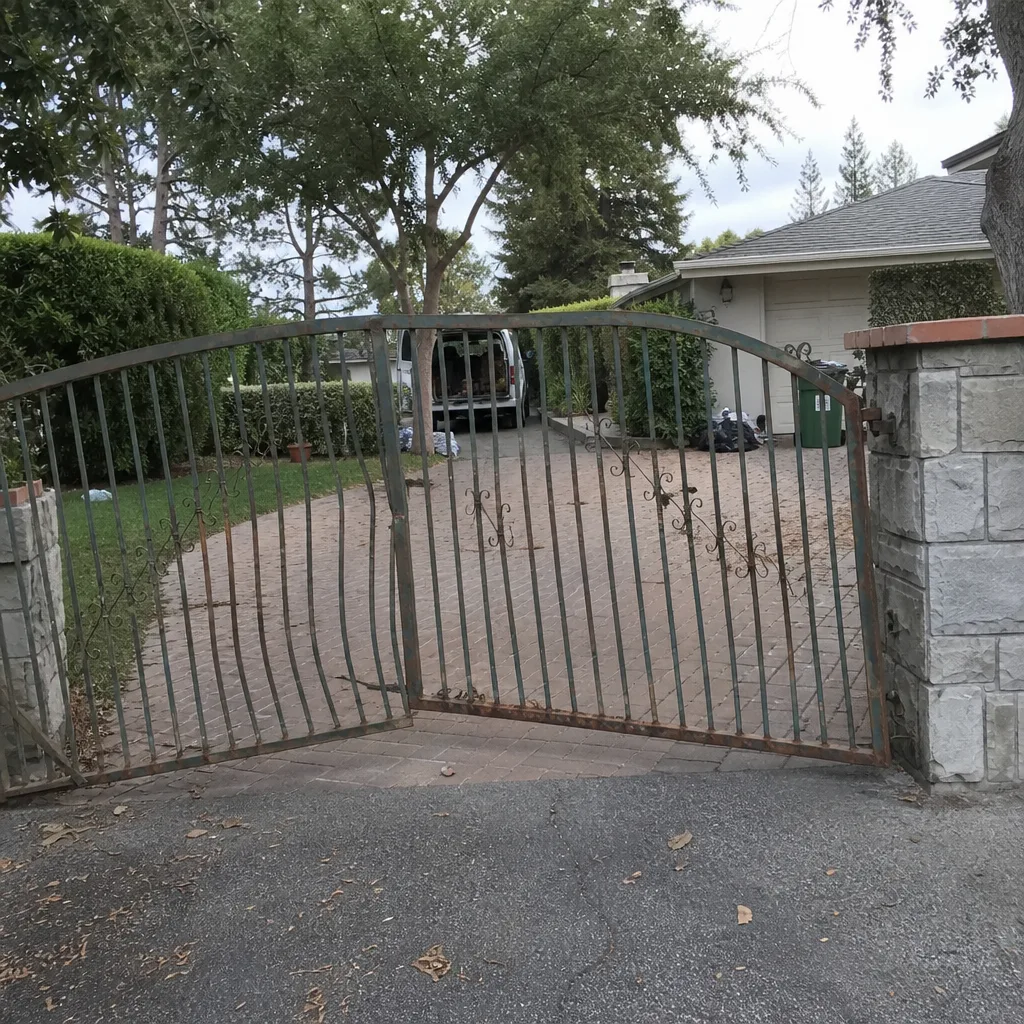 Before
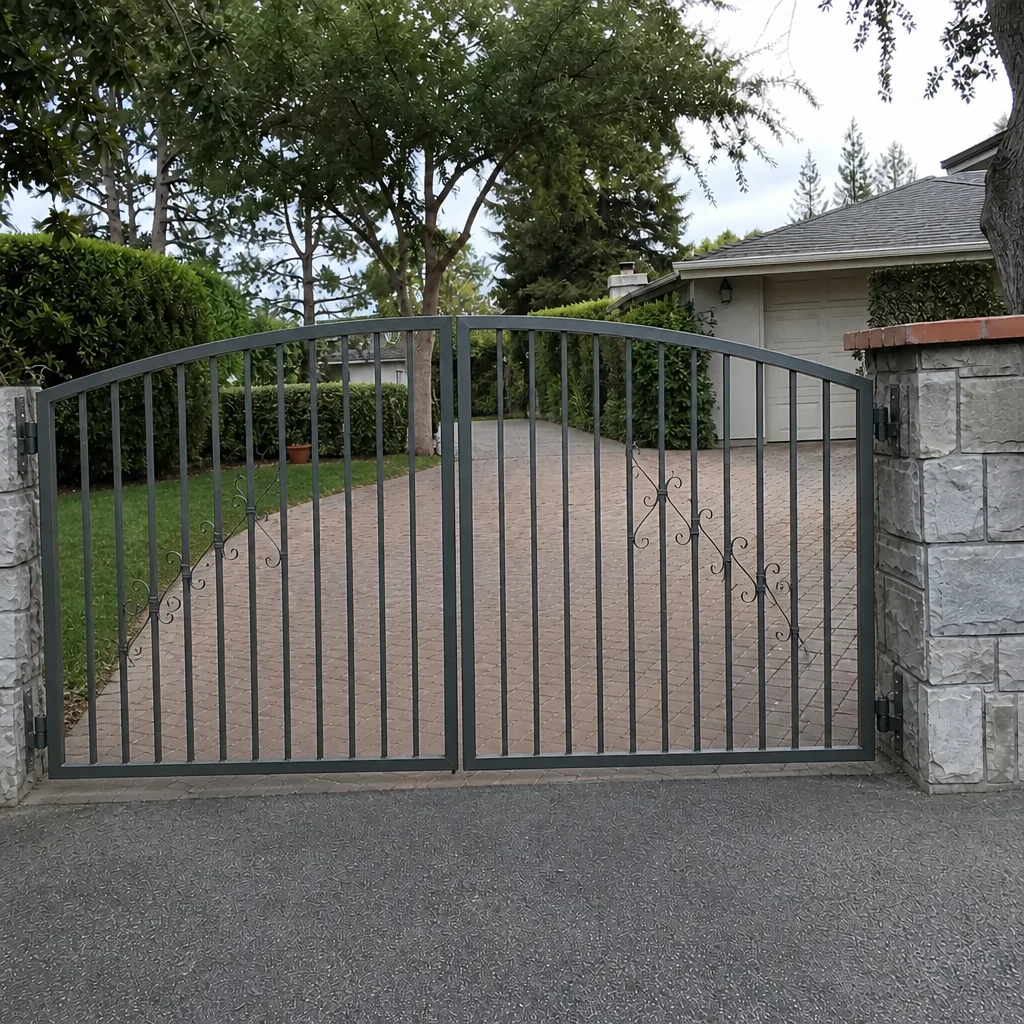 After
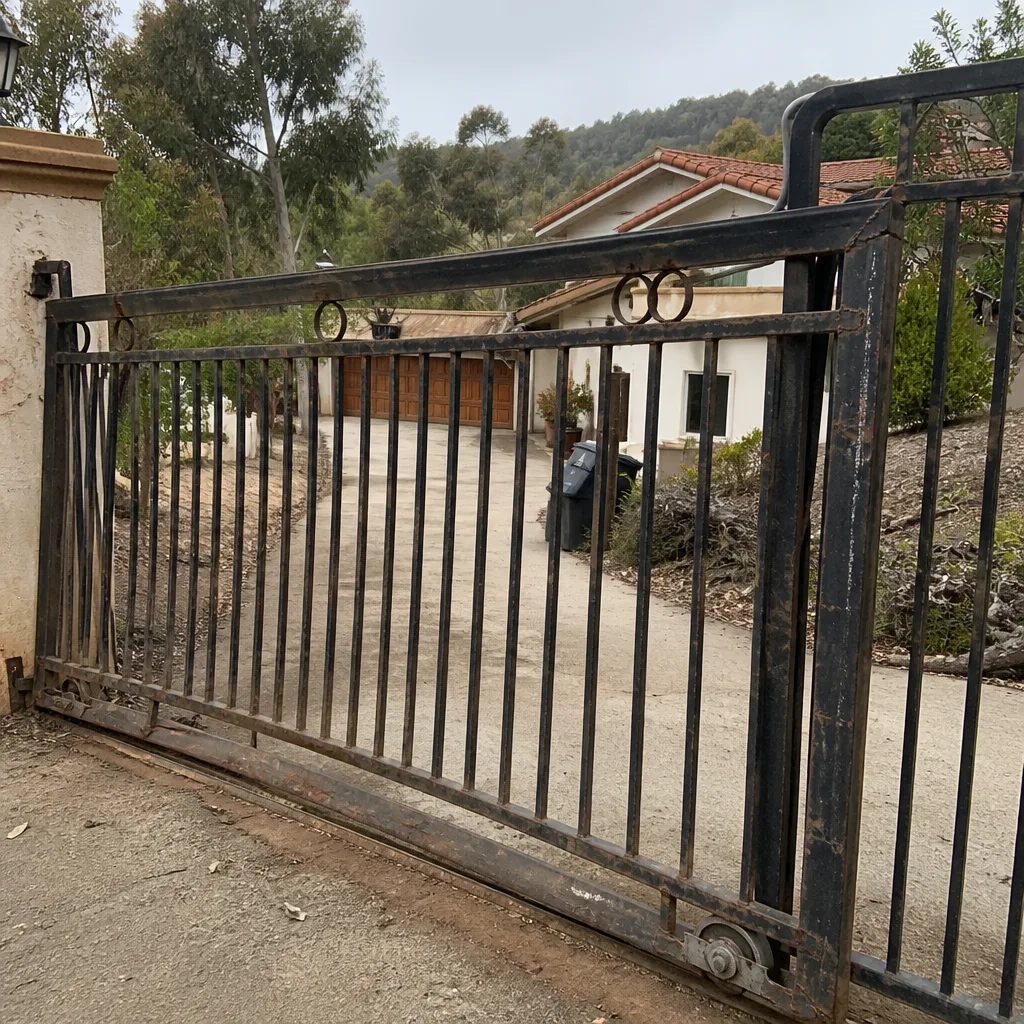 Before
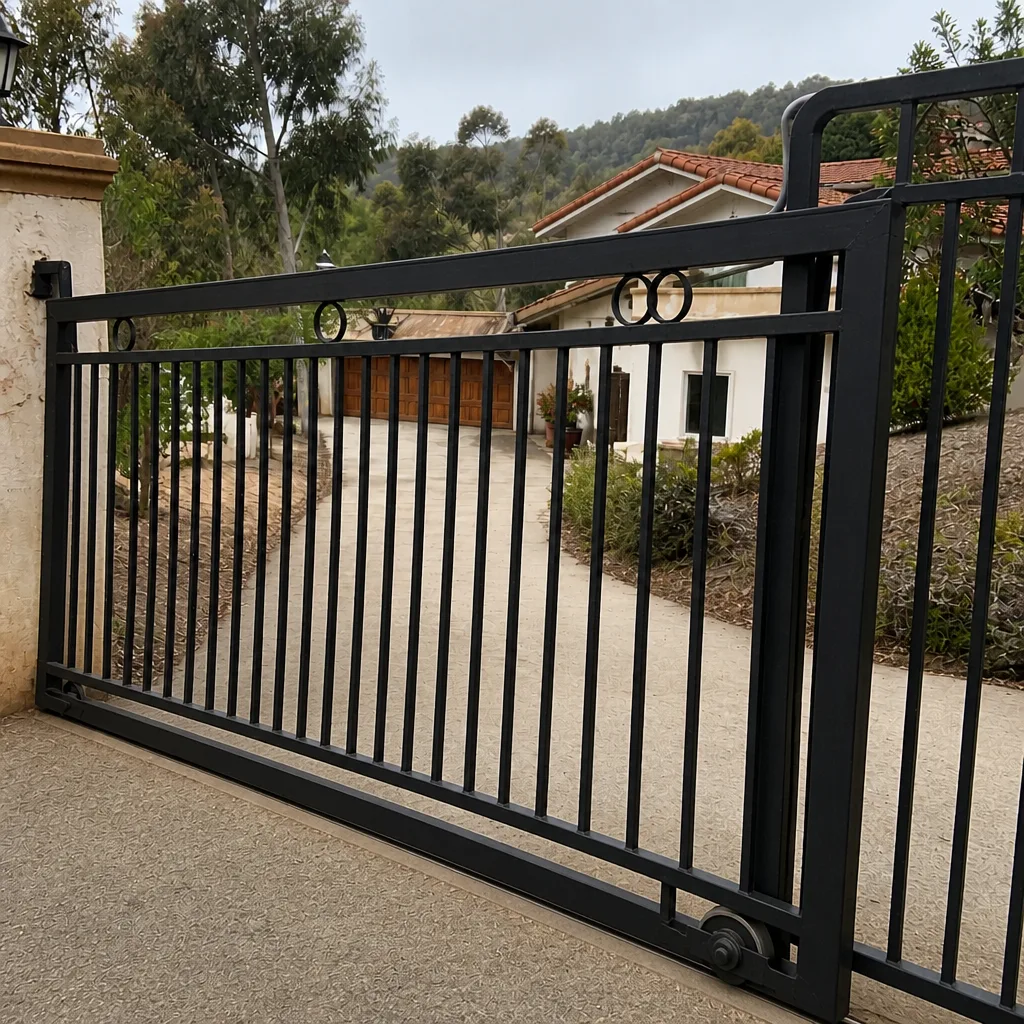 After
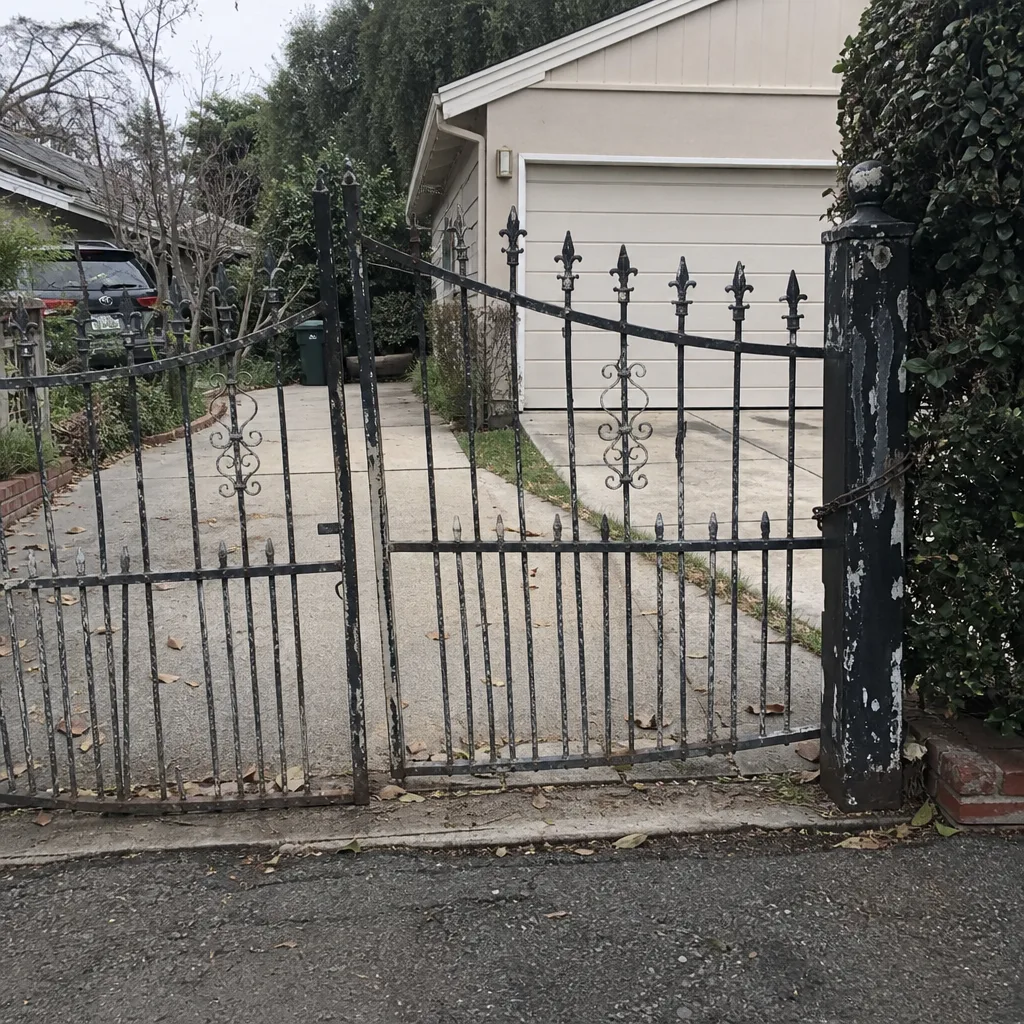 Before
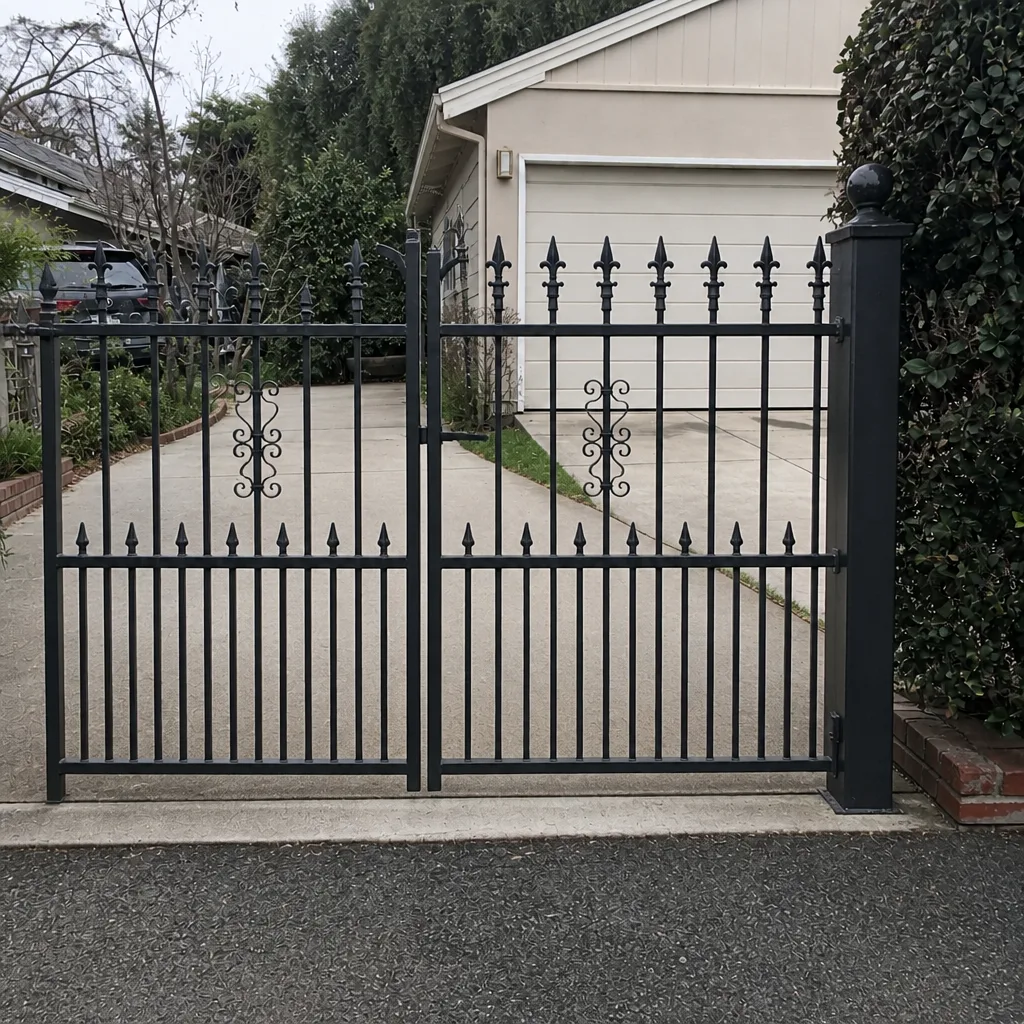 After
Frequently Asked Questions
Gate repair in Lake Forest depends on the failure point. A simple limit-switch adjustment or sensor realignment runs on the lower end; a control-board replacement or drive-gear rebuild runs higher; a full operator replacement or post reset commands the highest range. The honest answer is that the estimate is free, and the written price is set before we begin. Call (866) 472-6659 and describe what you’re seeing. We’ll give you a straight assessment.
In most cases, yes. We answer 24/7 and dispatch from 7am to 7pm, Sunday through Friday. If a technician is available in your part of Lake Forest and the parts needed are on our trucks, we can complete the repair the same day. Call (866) 472-6659 as early as possible with your symptoms documented, and we’ll tell you what the schedule looks like.
Not always. Reversal before closing can come from sensor misalignment, but it’s just as often a torque-setting issue, a loop-detector sensitivity problem, or a failing battery backup. The pattern of when it reverses matters. We diagnose by testing each subsystem in sequence rather than replacing the first plausible part. Describe the exact circumstances when you call.
Yes. We’re experienced with Mighty Mule and Ghost Controls for residential installations, and we also work on LiftMaster, FAAC, BFT, Linear, Viking, DoorKing, and Elite. Brand-agnostic diagnostics means we service what you own rather than steering you toward one product line. If the operator makes sense to repair, we’ll repair it. If it’s beyond economical repair, we’ll explain why.
Repairs to an existing gate generally don’t require a permit. New installations, electrical work, or structural changes may, depending on the scope and Lake Forest’s building requirements. Ask the city’s building department for confirmation on your specific project. We can help you understand what questions to ask.
A full gate repair or replacement installation starts with a free on-site measure and written estimate. It includes removing the old gate if there is one, setting posts to proper footing depth, hanging the new gate, installing the operator, running the electrical, setting up safety edges and loop detectors, and configuring your access controls. The price is set per job by the written estimate, agreed before work begins. Call (866) 472-6659 to schedule a measure.
The Bottom Line
Gate repair in Lake Forest is a diagnostic discipline, not a parts-swapping exercise. The three root causes we see most often are post movement from the area’s shifting soil, operator settings that drift with temperature cycles, and wiring degradation at connection points. Knowing whether you’re dealing with a system failure or an operator failure changes everything about how the repair goes. Document your symptoms, check the manual operation, and call a specialist who works on all major brands. The free estimate is the fastest way to get an accurate picture of what your gate needs.
Written by the team at Gate Repair Lake Forest, serving Lake Forest since 2017.