
Last updated November 4, 2026
 Wrought iron
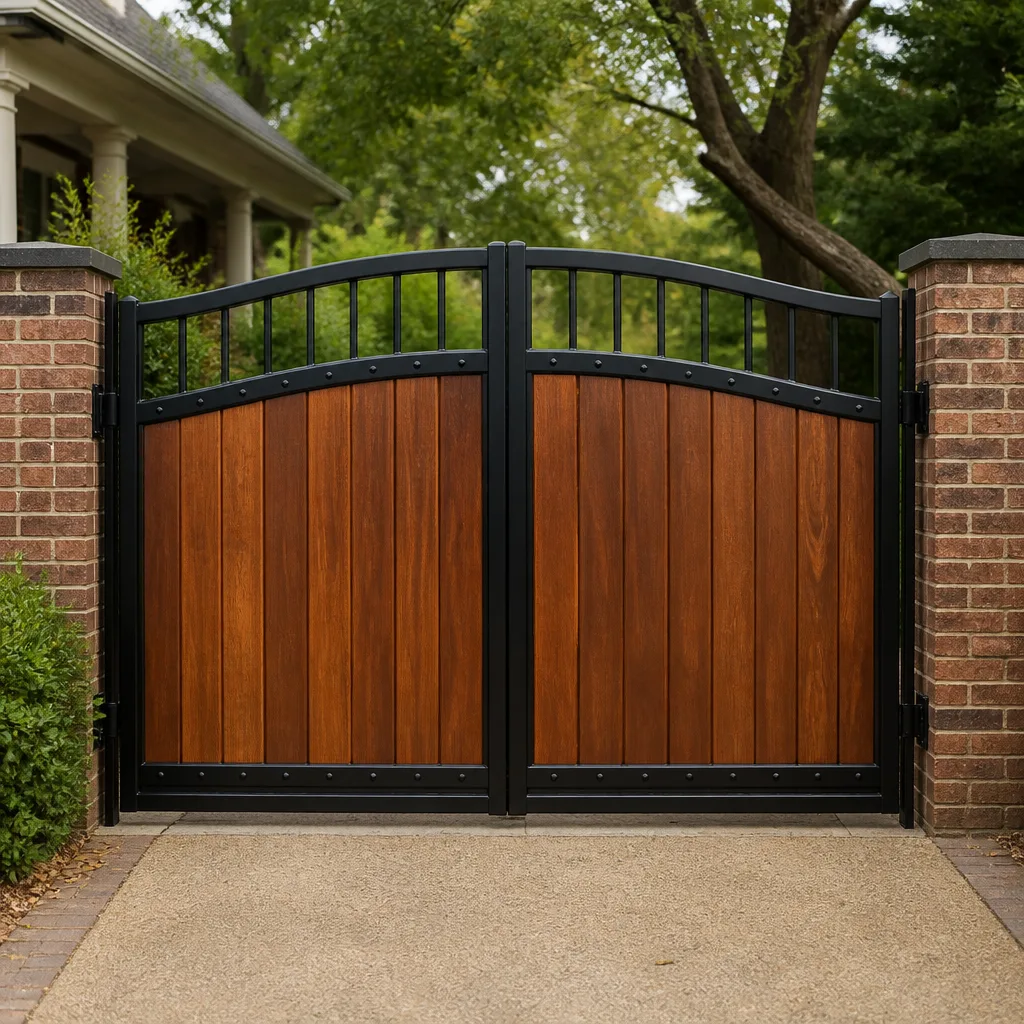 Wood & steel frame
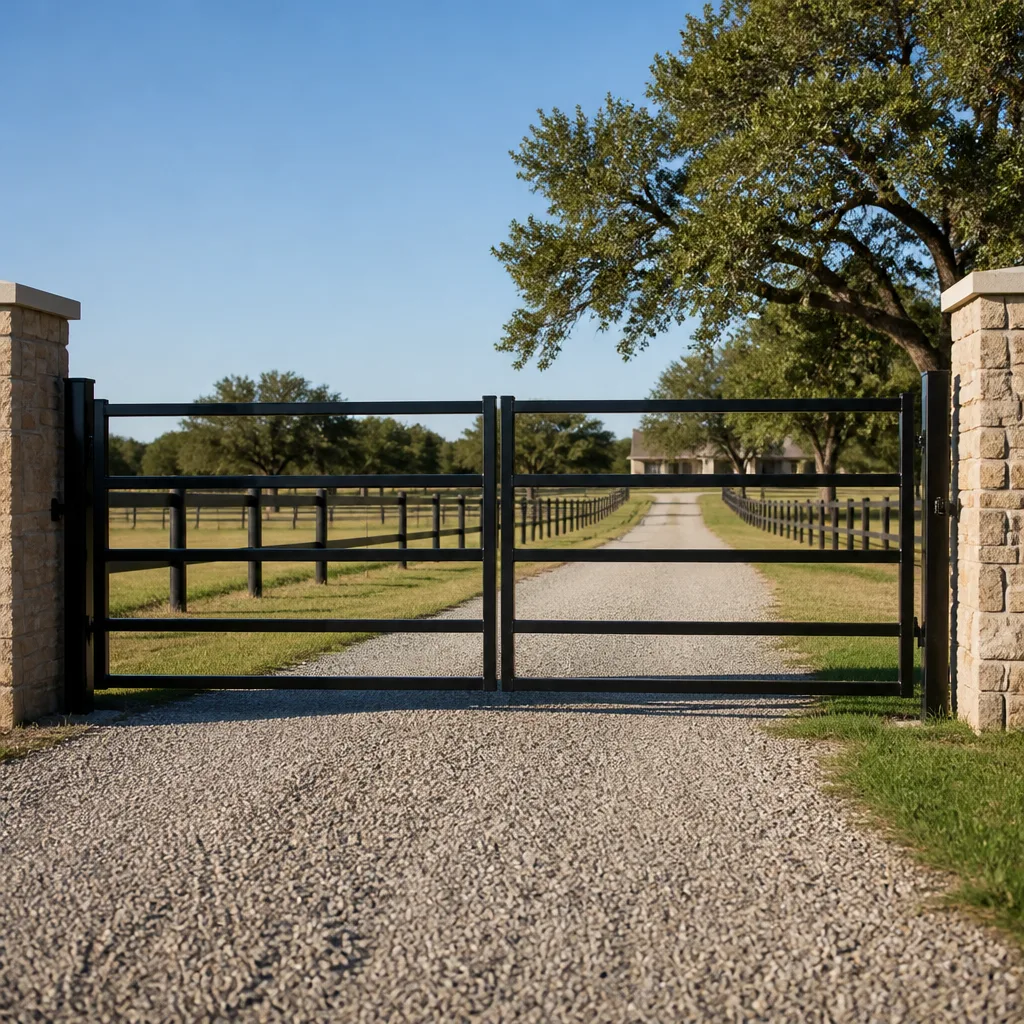 Farm & ranch
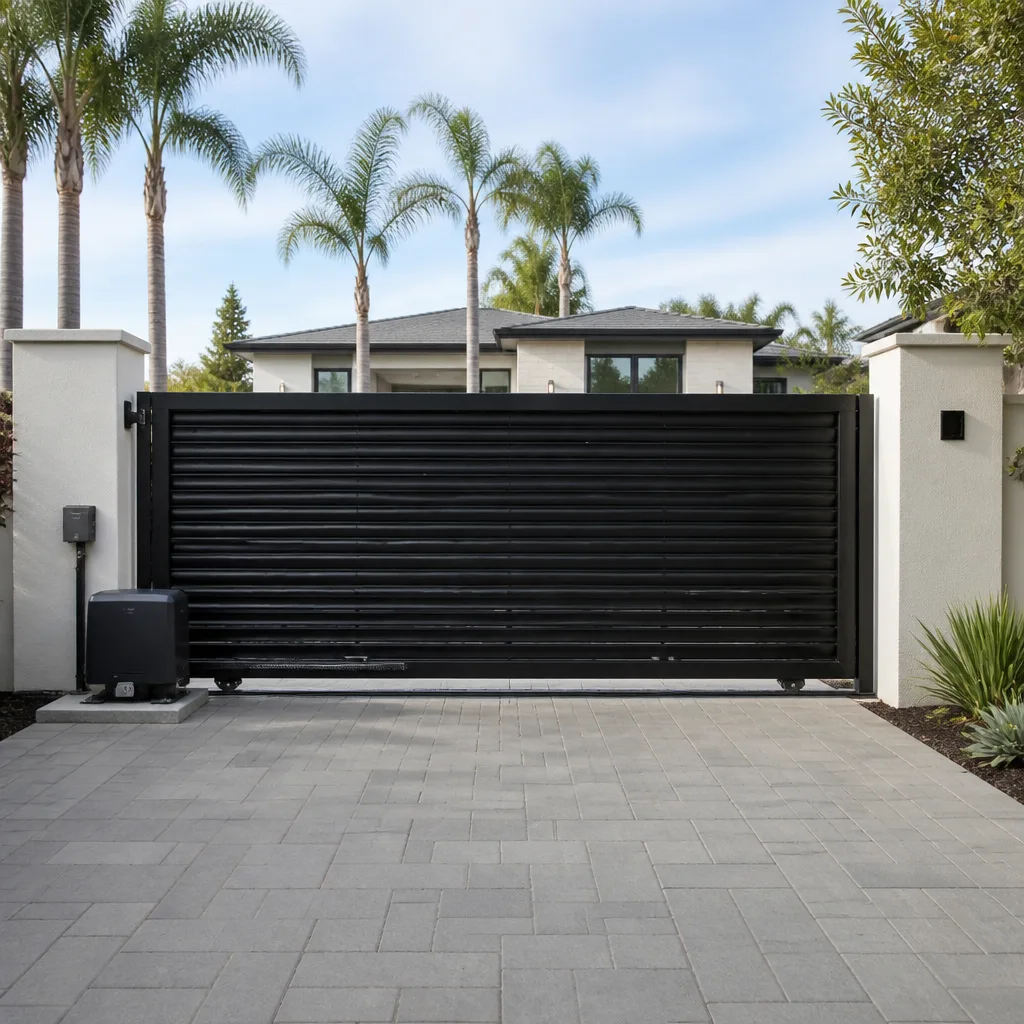 Sliding driveway gates
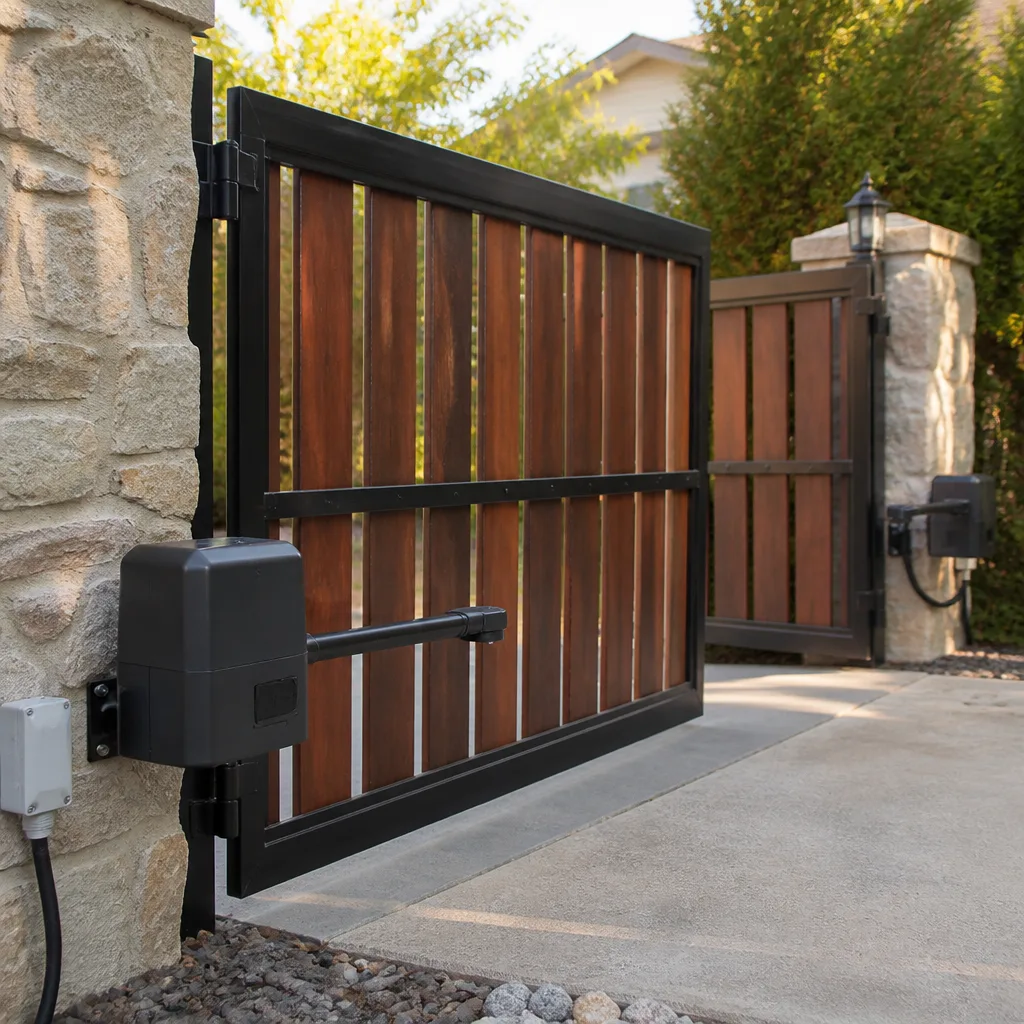 LiftMaster operators
Free on-site gate assessment - hinges, posts, and your LiftMaster or Nice gate operator checked before anything is quoted
The assessment is free and the quote is the invoice.
Get your free estimateDIY vs Professional Gate Repair: The Lake Forest Homeowner’s Decision Guide
Adjusting a gate’s travel limits yourself is legal, safe, and takes ten minutes with the owner’s manual. Replacing an entrapment protection sensor yourself, even if you install it perfectly, may void your operator’s UL 325 certification and expose you to liability if a child is injured. The hardware looks the same. The legal difference is enormous. This guide draws the exact line between what you can safely handle with a socket set and what belongs in the hands of a gate specialist. If you live in Lake Forest and your gate is misbehaving, you’ll finish this page knowing precisely which path to take.
Quick Answer
Homeowners can safely handle four repairs: limit switch adjustment, remote reprogramming, track debris clearing, and hinge bolt tightening. Everything else, especially anything touching entrapment protection sensors or 120V operator wiring, requires a professional in California. The deciding factor isn’t your mechanical skill; it’s whether the repair affects the system’s UL 325 safety certification or your homeowner’s insurance coverage.
Styles & brands we work with
- Wrought iron
- Wood & steel frame
- Farm & ranch
- Sliding driveway gates
- LiftMaster operators
Table of Contents
- The Real Decision: Liability, Not Skill
- Four Repairs That Are Genuinely DIY-Safe
- Repairs That Require a Professional in California
- The Tool Test: Multimeter Math
- How DIY Repairs Affect Your Homeowner’s Insurance
- Cost-Benefit: Three Repairs Where DIY Costs More
- Lake Forest-Specific Factors to Consider
The Real Decision: Liability, Not Skill
Most guides frame this as a question of confidence. Can you turn a wrench? Do you own a ladder? Those questions miss the point. The real question is what happens when the gate closes on someone. Automated gates are governed by UL 325, a safety standard that dictates how entrapment protection must work. When a gate is installed and certified, that certification attaches to the entire system as a unit, not to individual parts. Change a part yourself and you may have changed the certification.
We see this constantly in Lake Forest. A homeowner swaps out a photo eye sensor because it looks straightforward, the gate works fine for months, and then a neighbor’s child trips near the gate and the reversal mechanism doesn’t engage the way it should. Suddenly the homeowner is explaining to an adjuster why they modified a certified safety system. The repair was mechanically correct and legally exposed.
Our gate repair work in Lake Forest regularly involves undoing well-intentioned DIY fixes that created problems the homeowner didn’t know existed. The gate opens and closes, so it seems fine. But the safety margins are gone. The system is now a liability wearing the costume of a functioning gate.
None of this means you shouldn’t touch your gate. It means you should know exactly which repairs carry liability and which don’t. That line is what the rest of this guide draws.
Four Repairs That Are Genuinely DIY-Safe
These four repairs don’t touch entrapment protection, don’t touch 120V wiring, and don’t alter the gate’s certification. They’re the kind of thing a homeowner in Lake Forest can handle with an hour, some basic tools, and the owner’s manual.
- Limit switch adjustment. When your gate doesn’t close all the way or slams against the stop, the limit switches tell the motor where to stop. Adjusting them means turning a screw or pressing a button on the operator, following the manual’s sequence. This takes ten minutes, requires no special tools, and doesn’t alter safety systems. Ghost Controls and Mighty Mule operators have simple limit adjustment procedures. Viking and DoorKing units vary, so keep the manual handy.
- Remote reprogramming. A dead remote or a new one that won’t sync is usually solved by clearing the receiver memory and reprogramming. This is done through the operator’s learn button and the remote itself. Nothing mechanical is touched. No safety system is involved. You can do this with any brand’s remote if you follow the pairing sequence exactly.
- Track debris clearing. Slide gates on tracks collect leaves, dirt, and small rocks. Cleaning the track with a broom or shop vac and checking for bent track sections doesn’t require disassembly. It’s maintenance, not repair, and it prevents the gate from jumping the track or burning out the motor against resistance.
- Hinge bolt tightening. Swing gates hang on hinges that loosen over time from repeated opening and closing. Tightening the bolts with a socket wrench is basic mechanical work. If the hinge is cracked or the gate sags despite tight bolts, stop there and call a professional, because a falling gate is a crushing hazard.
These four jobs share a common thread: they involve adjustment and cleaning, not replacement of safety components. They’re the gateway drug to gate maintenance, and they’re genuinely fine to do yourself.
Repairs That Require a Professional in California
Here’s the line. If the repair involves any of the following, it belongs with a licensed professional, no exceptions.
- Entrapment protection devices. Photo eyes, edge sensors, safety loops, and any component that tells the gate to reverse when something is in the way. These are the heart of UL 325 compliance. Replacing one yourself, even perfectly, voids the certification because the system was re-modified outside a controlled process. In California, the liability exposure here is severe.
- 120V operator wiring. The operator motor runs on line voltage. Any repair that involves opening the operator’s electrical compartment, replacing a capacitor, wiring a new control board, or touching the power supply is electrical work. California electrical codes apply, and a mistake here is both a fire hazard and a shock hazard to anyone who touches the gate post.
- Low-voltage control wiring issues. Even if the wiring is low voltage, troubleshooting a short or a failed loop detector means diagnosing across the entire control circuit. A multimeter that reads 24V DC in one spot may read 120V AC a foot away. Misreading that is how people get hurt.
- Gate panel or structural repair. A bent gate frame, a sagging leaf, or anything involving the gate’s weight distribution means the gate can fall or crush. Heavy panels don’t give second chances.
- Operator replacement. A new operator is a full system change. It must be specced to the gate’s weight, cycle rate, and safety requirements. Installing a residential-grade operator on a heavy gate in Lake Forest because it was cheaper is a common and dangerous mistake.
If your repair touches any of these, call a specialist. Our electric gate repair service handles the full electrical and mechanical picture, which is exactly what these jobs require.
The Tool Test: Multimeter Math
Here’s a practical heuristic we use to help homeowners decide. It’s not a substitute for professional judgment, but it’s a good first filter.
If the repair requires a multimeter reading below 30V DC and you’re confident reading that meter, you’re likely in DIY territory. Remote diagnostics, low-voltage battery replacement in a backup system, and basic continuity checks all fall here. The danger is minimal, the skills are learnable from a manual, and the safety certification isn’t at stake.
If the repair requires a multimeter reading above 30V DC, or any AC voltage, stop. Above 30V DC, the potential for injury rises sharply, and you’re now in territory where California electrical codes apply. At that point, the question isn’t whether you can figure it out. It’s whether the risk of getting it wrong is worth the couple hundred dollars you’d save. For most people, it isn’t.
- Identify the component that’s failing.
- Determine what voltage that component operates at.
- Below 30V DC and not safety-related: DIY may be reasonable.
- Above 30V DC, any AC voltage, or any entrapment protection device: call a professional.
This test catches most of the cases where homeowners get in over their heads. The voltage threshold isn’t arbitrary; it tracks where the real danger starts and where California’s codes tighten.
How DIY Repairs Affect Your Homeowner’s Insurance
Here’s the part most DIY articles skip entirely. Your homeowner’s insurance covers gate-related injuries under your liability coverage, but that coverage assumes the gate was installed and maintained to the relevant safety standards. When you modify an entrapment protection system yourself, you may have created grounds for the insurer to deny a claim.
In a worst-case scenario, a child is injured by a gate that failed to reverse. The family’s attorney investigates. They discover that the photo eye was replaced by the homeowner six months prior. The insurer’s adjuster argues that the system’s UL 325 certification was voided by the modification. Suddenly the homeowner is defending both the injury and their coverage simultaneously.
This doesn’t mean you should avoid all DIY gate work. It means you should keep documentation. If you perform one of the four DIY-safe repairs above, write down what you did, when you did it, and the model of the part you adjusted or cleaned. Save the manual’s relevant pages. This creates a basic maintenance record that shows you were acting as a reasonable homeowner, not modifying safety systems.
For anything involving entrapment protection or wiring, the smart move is to have a professional do the work and provide documentation that the repair was completed to standard. That documentation is your insurance policy in more ways than one.
Cost-Benefit: Three Repairs Where DIY Costs More
The DIY math seems simple: do it yourself, save the labor cost. But there are three repair categories where DIY misdiagnosis routinely costs homeowners in Lake Forest more than hiring a specialist from the start.
- Intermittent gate failure. The gate works fine, then stops, then works again. A homeowner replaces the remote battery, then the receiver, then the control board, chasing the problem. The actual issue is often a loose ground wire or a dying capacitor, neither of which the homeowner’s replacement parts touched. You’ve now spent $400 on parts and the gate still fails intermittently. A professional diagnoses the root cause on the first visit.
- Motor that runs but the gate doesn’t move. The most common DIY assumption is a dead motor, which gets replaced at significant cost. The actual cause is often a stripped gear, a broken chain, or a frozen bearing. Replacing the motor didn’t fix any of those. A specialist checks the drive train first because that’s where these symptoms usually originate.
- Gate that reverses immediately after closing. The homeowner assumes the obstruction sensor is too sensitive and adjusts it. The gate still reverses. The actual cause is a misaligned track or debris buildup creating friction that the operator reads as an obstruction. The DIY repair changed a safety setting without fixing the mechanical problem, which is both ineffective and risky.
In each case, the pattern is the same: misdiagnosis led to replacing a part that wasn’t the root cause, which cost more than the professional repair would have.
Lake Forest-Specific Factors to Consider
Lake Forest has specific conditions that affect gate maintenance and repair decisions. The mild climate means gates here don’t face the freeze-thaw stress that northern gates endure, but they do face other challenges. Dry, dusty air works its way into operators and track mechanisms. Long dry spells harden seals and lubricants. The heat of inland summers can push operators past their thermal limits, especially on black metal gates that absorb direct sun.
These factors mean that a gate in Lake Forest needs attention to dust intrusion and heat management in ways that a coastal or mountain gate might not. If your operator is mounted in full sun and your gate is black, the motor is working harder than the same motor on a shaded property. That’s not a reason to avoid DIY maintenance; it’s a reason to keep tracks clean and hinges lubricated more often than the manual suggests.
For residents across Lake Forest, these environmental factors are part of what makes local experience valuable. A specialist who works in this specific climate knows what fails here and when. That knowledge turns a 10-minute diagnostic into a 3-minute one, which is the difference between one visit and two.
Most gate problems in Lake Forest are diagnosed on the first visit. The climate is predictable enough that the failure patterns are well established. That doesn’t mean you should skip the DIY-safe maintenance; it means that when a repair falls outside those four safe categories, a specialist’s local experience is worth the call.
Common Mistakes to Avoid
- Adjusting the closing force instead of fixing the obstruction. When a gate reverses, the temptation is to increase the force setting so it pushes through. That defeats the entrapment protection and creates exactly the liability scenario described above. Look for the friction first.
- Using WD-40 on gate hardware. It’s a cleaner, not a lubricant. It strips existing lubricant and leaves metal dry. Use silicone spray or white lithium grease on hinges and tracks.
- Buying replacement parts by price alone. A $30 aftermarket photo eye may look identical to the $80 OEM part. It isn’t. UL 325 certification doesn’t transfer to knockoff parts. Buy the part the manufacturer specifies.
- Ignoring the manual because the gate “looks simple.” Every operator brand has specific programming sequences. Wing it, and you’ll likely clear the remotes, change the limits accidentally, or brick the control board.
- Forgetting to document DIY work. If you adjust limits or clean tracks, write it down. If a future claim arises, a basic maintenance log shows reasonable care.
- Assuming “gate” means the same as “garage door.” Gates don’t have torsion springs, and the safety standards are different. Advice meant for garage doors doesn’t transfer. Make sure you’re reading gate-specific guidance.
See the difference
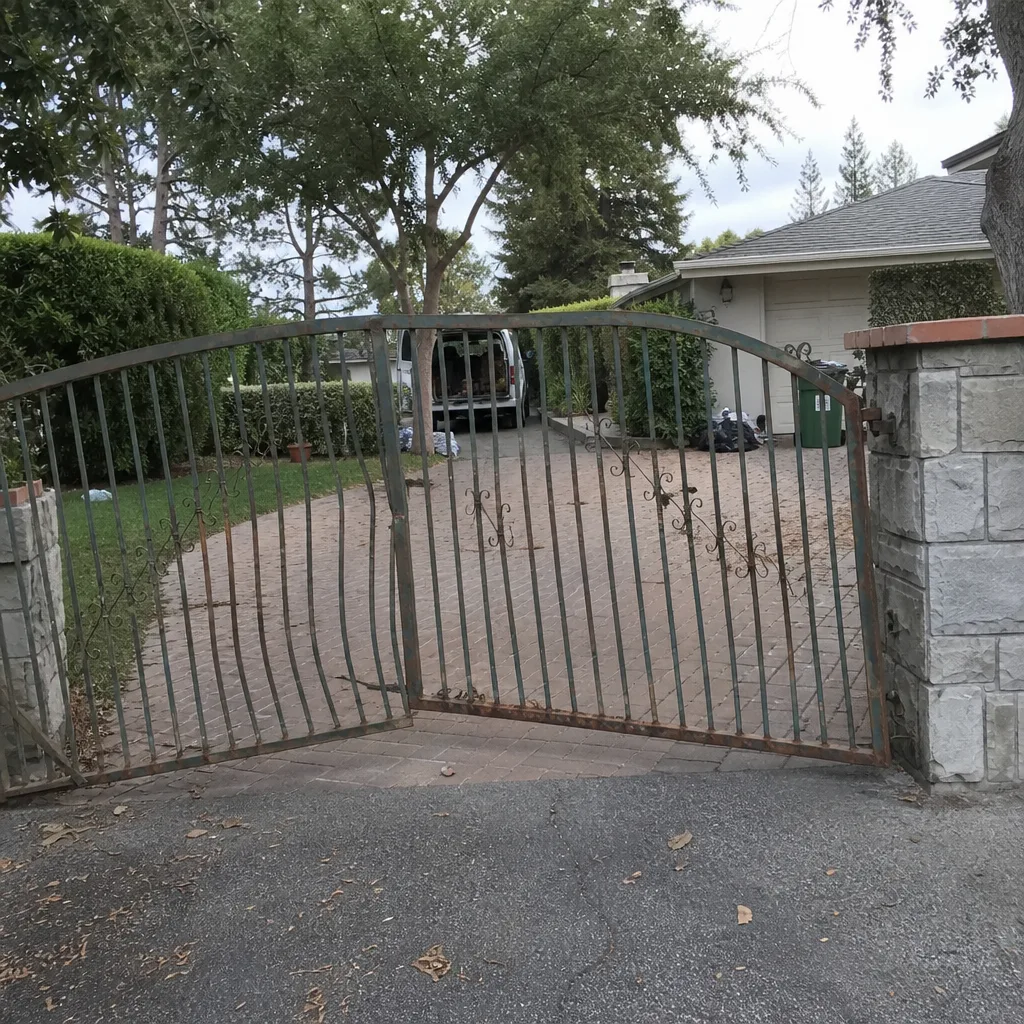 Before
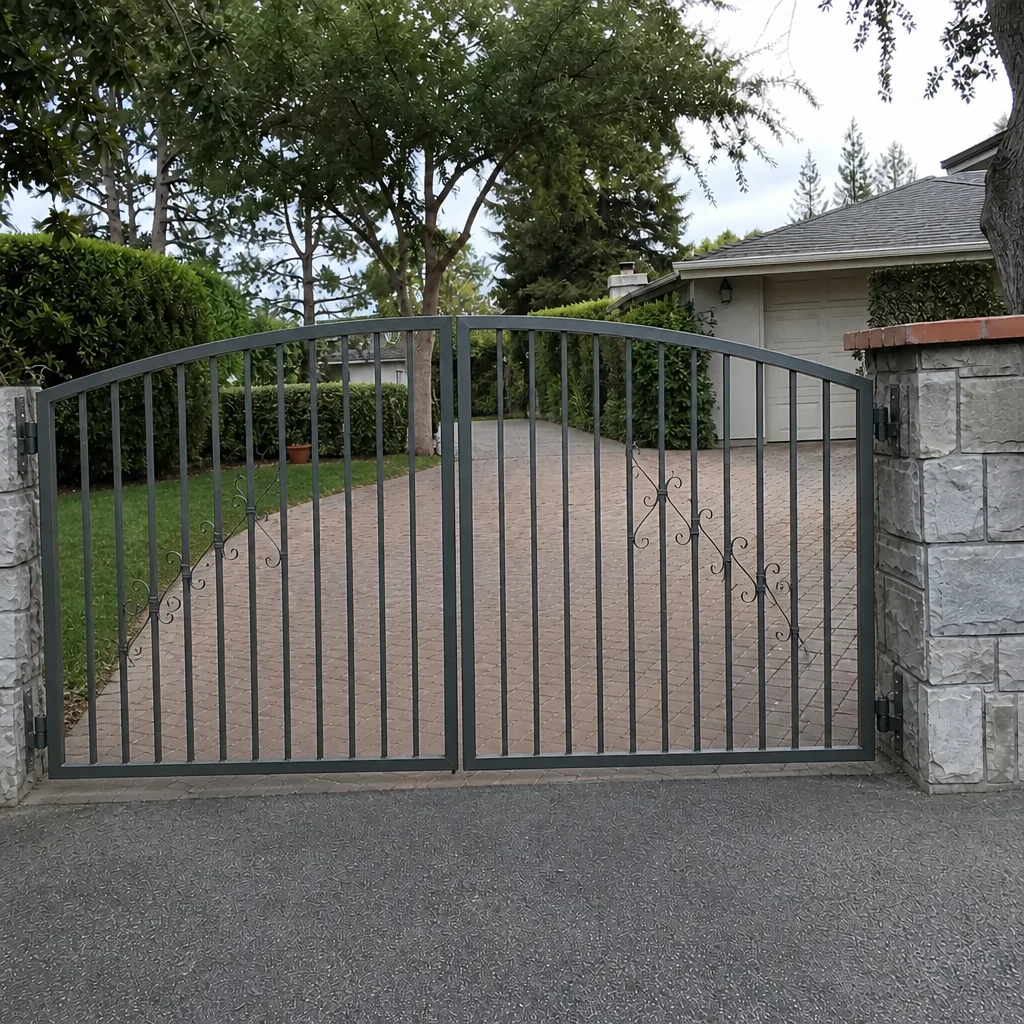 After
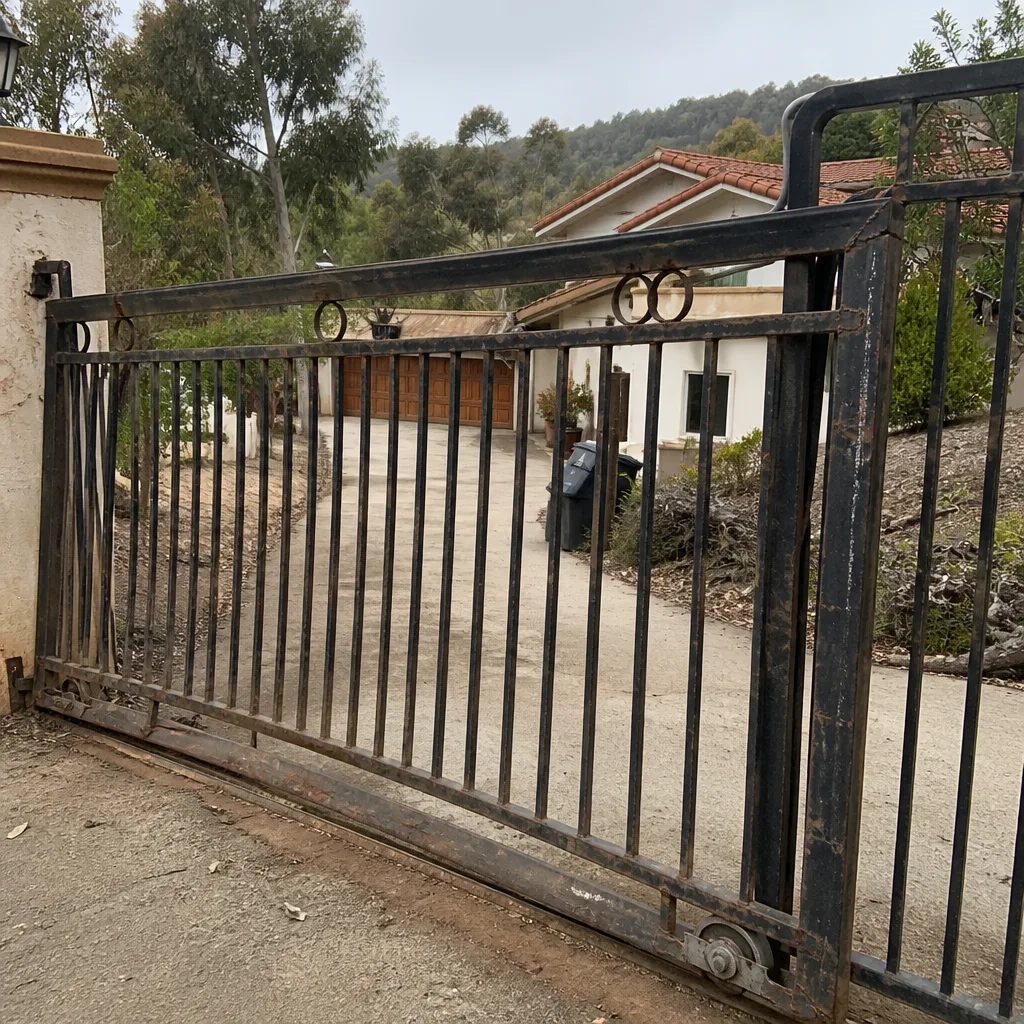 Before
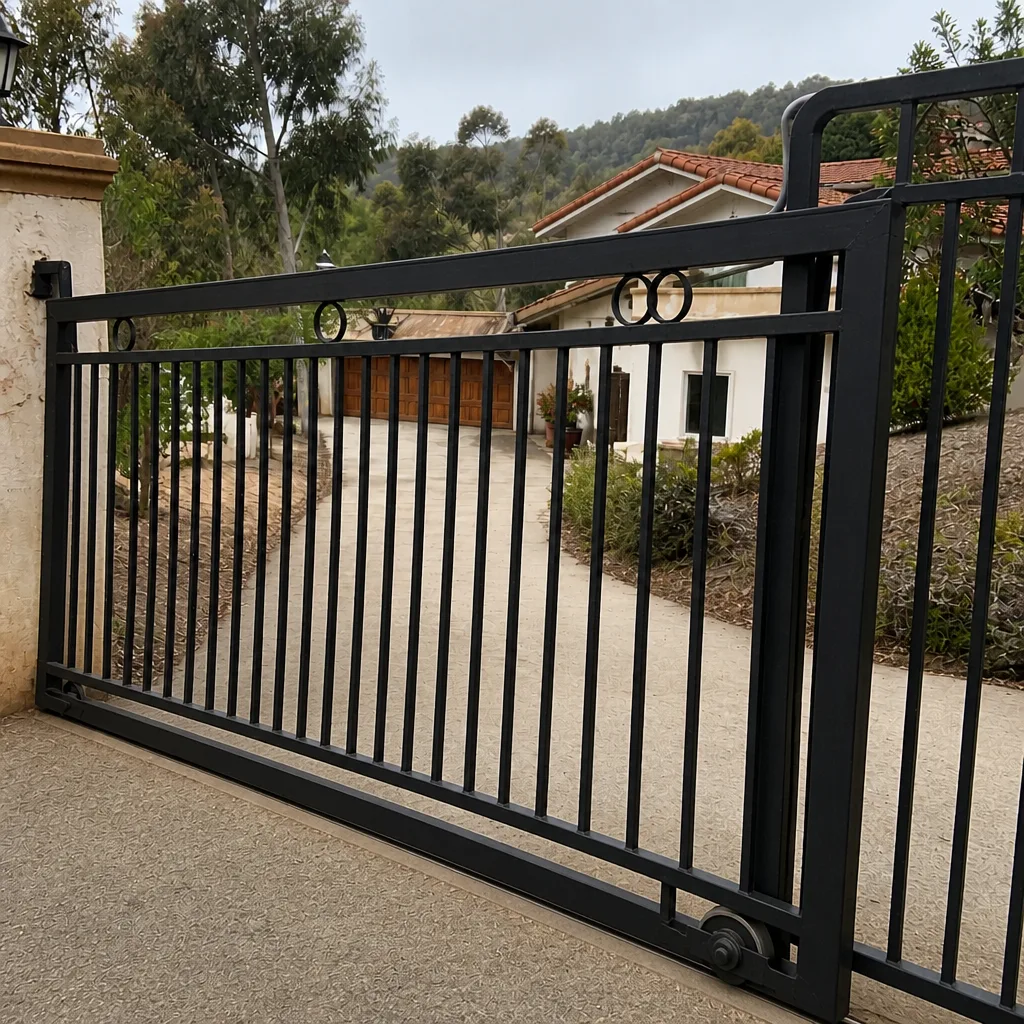 After
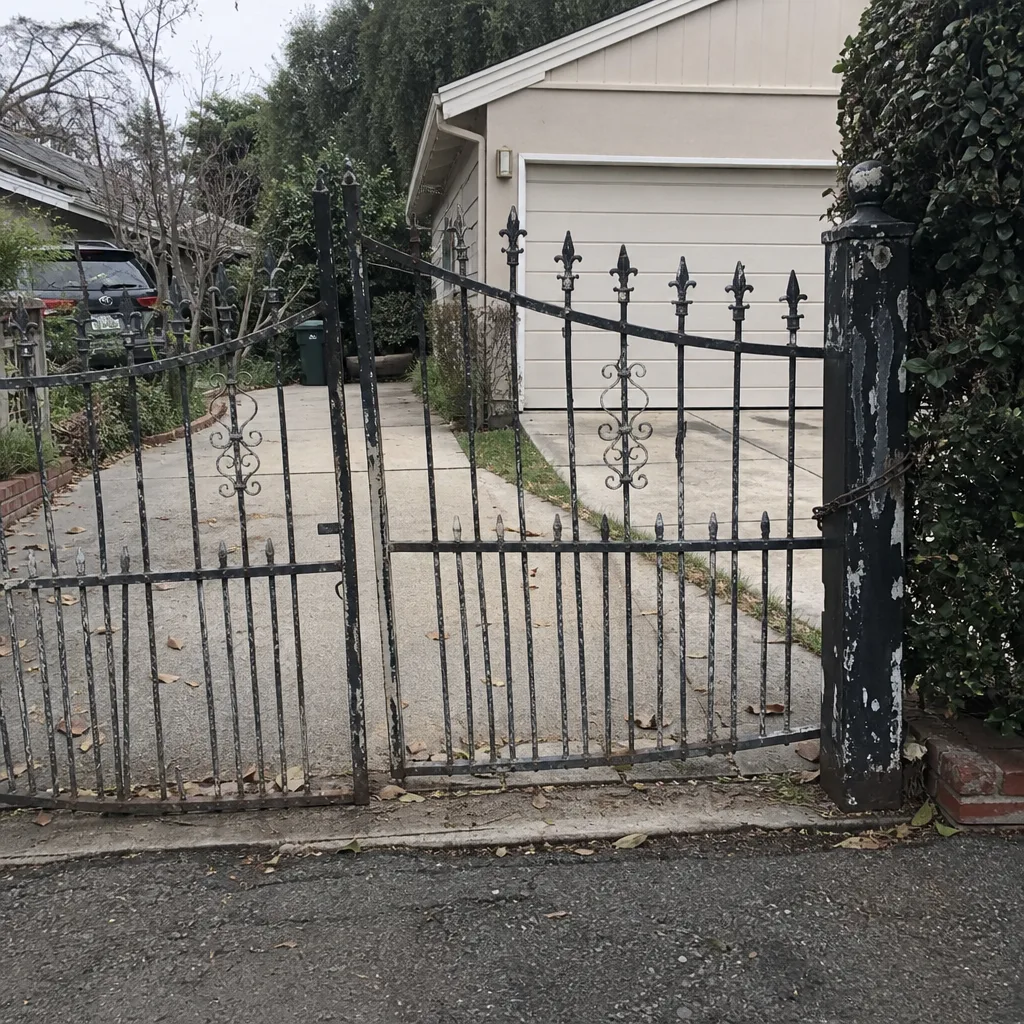 Before
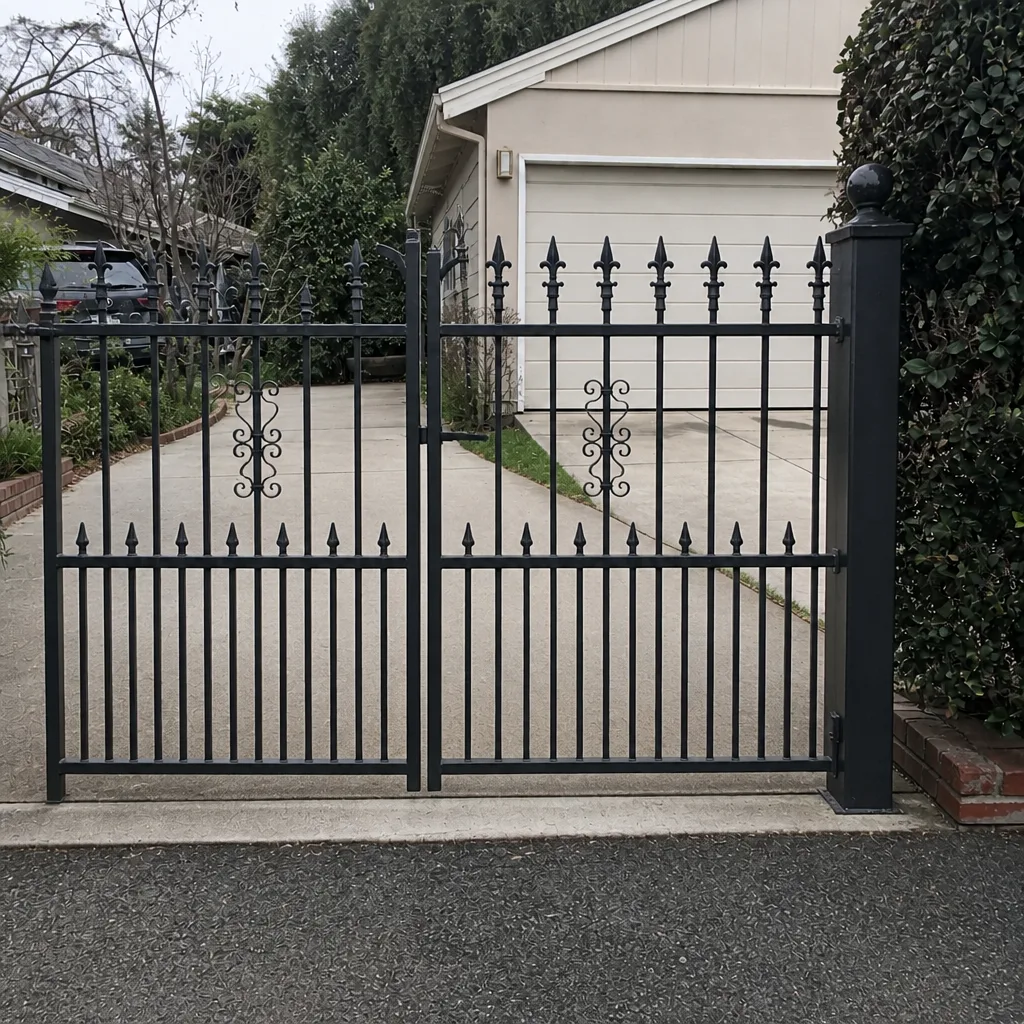 After
When to Call a Professional
If your gate repair involves the operator’s wiring, entrapment protection sensors, structural damage, or a full operator replacement, call a specialist before you touch anything. These are the repairs where liability and safety converge, and there’s no version of “carefully” that makes them safe to improvise. Even if the gate seems to work after a DIY attempt, the safety compliance may be gone. Call (866) 472-6659. We answer 24/7. Fast dispatch from 7am to 7pm, Sunday through Friday. Gate Repair Lake Forest offers free estimates in Lake Forest, and the written estimate sets the final price before any work starts. We specialize exclusively in gates, and our gate repair service covers everything from a jammed hinge to a full automated-entry installation.
Frequently Asked Questions
Yes. Limit switch adjustment is one of the four DIY-safe repairs because it doesn’t touch entrapment protection or line voltage, and it takes about ten minutes with the owner’s manual. Call (866) 472-6659 for an exact diagnosis if the limits won’t hold after adjustment.
Anything touching entrapment protection devices or 120V operator wiring requires a professional, because DIY modification voids UL 325 certification and violates California electrical codes. This includes photo eyes, edge sensors, safety loops, control boards, and operator replacement.
DIY repairs that don’t touch safety systems won’t affect coverage. DIY repairs that modify entrapment protection may void the system’s UL 325 certification, which an insurer can use to deny a liability claim if an injury occurs. Document all self-performed maintenance.
Costs vary by the component and the gate type, but the written estimate sets the final price before any work begins. Estimates are free. Call (866) 472-6659 for an exact quote on your specific repair.
Increasing the closing force to push through an obstruction instead of finding the friction source. It seems like a simple fix, but it defeats the entrapment protection and creates a liability problem that’s far more expensive than the original mechanical issue.
Yes. We service residential brands like Ghost Controls and Mighty Mule alongside commercial-grade systems from Viking, DoorKing, Elite, and the rest of the major operator brands. Whatever your gate runs on, we can diagnose it. Call (866) 472-6659 and we’ll take a look.
The Bottom Line
The DIY vs professional question isn’t about pride or skill. It’s about where the line sits between adjustment and modification. Four repairs are genuinely safe for homeowners: limit switches, remote programming, track cleaning, and hinge bolts. Everything past that line, especially anything touching safety sensors or wiring, carries liability that no amount of careful wrenching eliminates. In Lake Forest, the mild climate means maintenance is more about dust and heat than ice and snow, but the safety standards are the same as anywhere. When in doubt, get a written estimate and decide with real numbers in front of you. A professional diagnosis costs less than a misdiagnosis, every time.
Written by the team at Gate Repair Lake Forest, serving Lake Forest since 2017.