
Last updated November 4, 2026
 Wrought iron
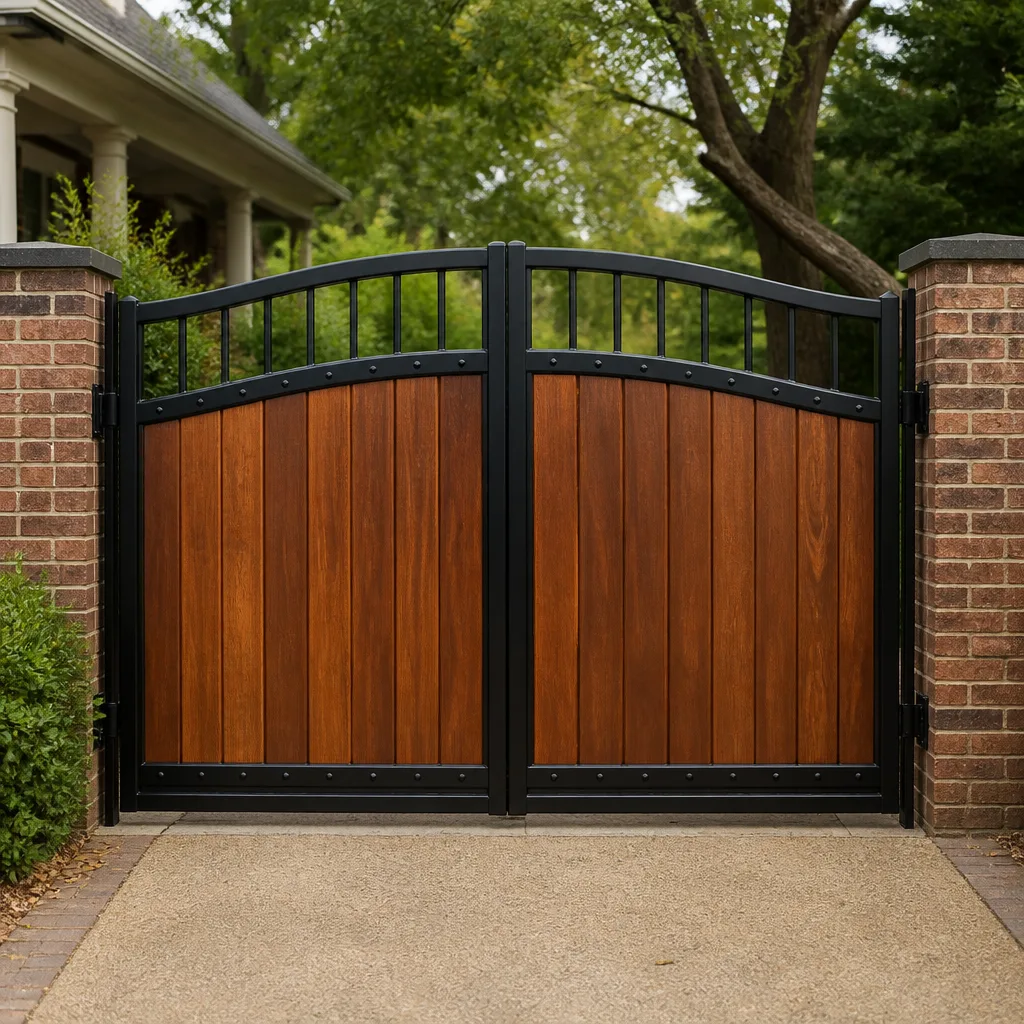 Wood & steel frame
 Farm & ranch
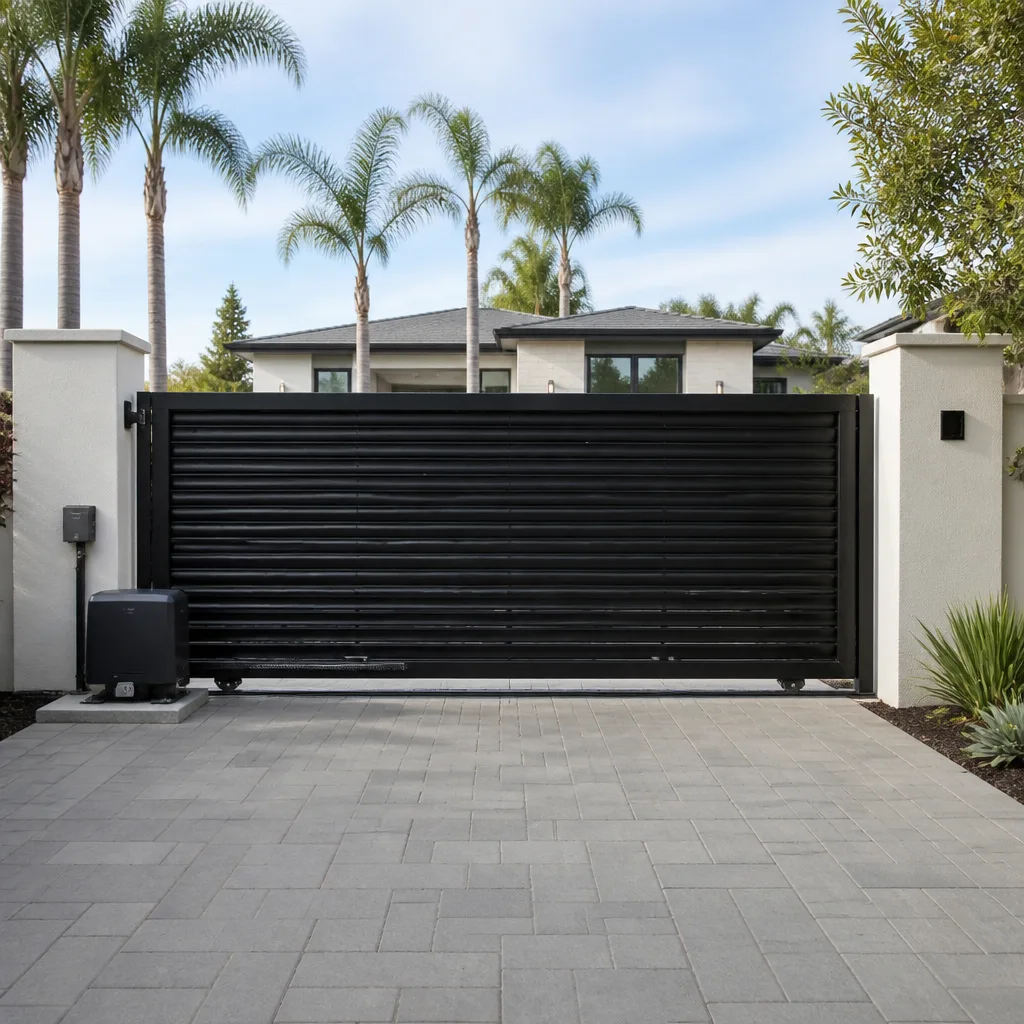 Sliding driveway gates
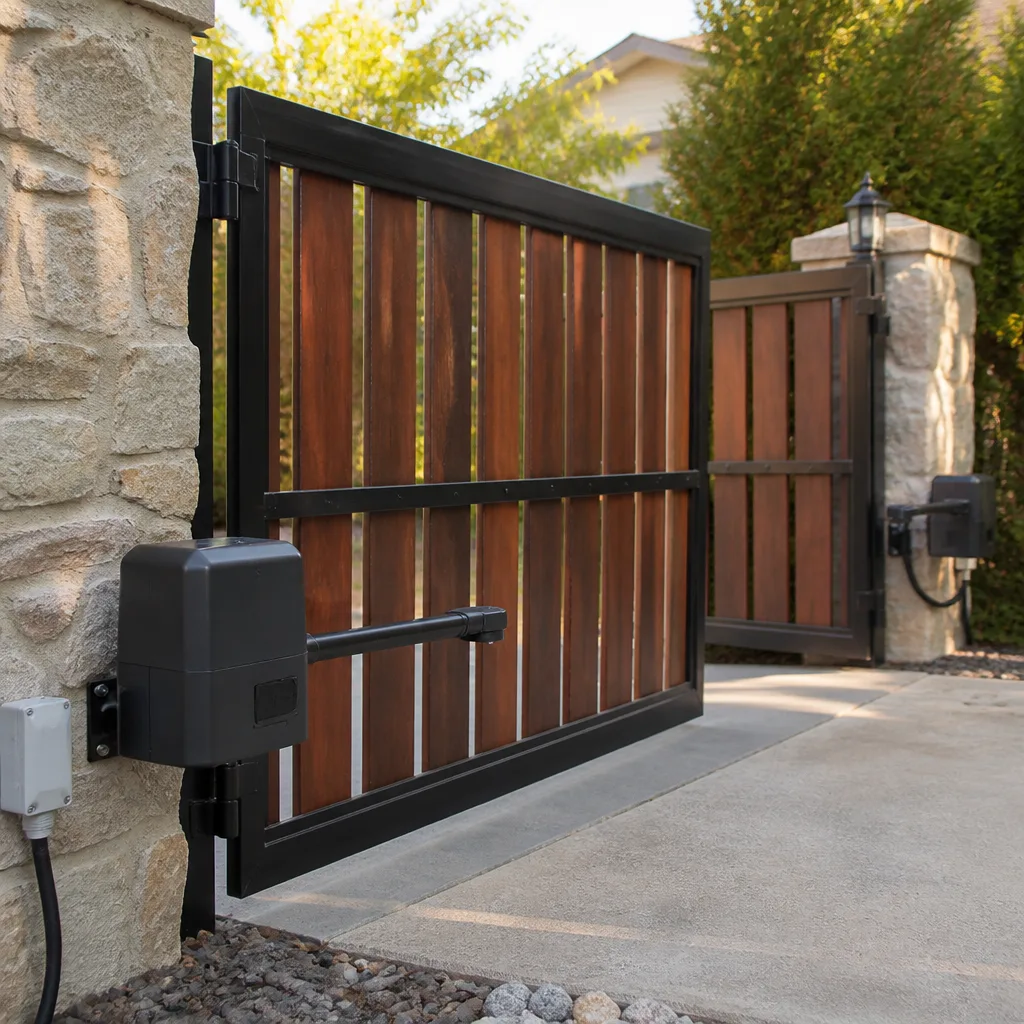 LiftMaster operators
Free on-site gate assessment - hinges, posts, and your LiftMaster or Nice gate operator checked before anything is quoted
The assessment is free and the quote is the invoice.
Get your free estimateGate Repair Maintenance Checklist for Lake Forest Homeowners
Most gate maintenance advice you’ll find online is well-meaning but dangerously generic. “Lubricate the hinges twice a year” sounds fine until you realize that spraying white lithium grease on nylon rollers destroys them, and applying wet lubricant to a rack-and-pinion drive during Lake Forest’s dusty summer months creates a grinding paste that wears components faster than no lubrication at all. This guide fixes that. You’ll get a maintenance checklist organized by gate type and operator brand, specific to the wear patterns Lake Forest’s climate and traffic actually produce. We’ll cover what to do monthly, quarterly, and annually, which lubricants go where, and how to test your operator’s safety systems without special tools.
Styles & brands we work with
- Wrought iron
- Wood & steel frame
- Farm & ranch
- Sliding driveway gates
- LiftMaster operators
Quick Answer
A proper gate repair maintenance routine in Lake Forest means testing your operator’s force limits and obstruction detection monthly, cleaning and lubricating only the components that actually need it based on your gate type, and doing a full structural inspection quarterly. Pay special attention after Santa Ana wind events, during summer heat waves when control boards run hot, and before the winter rainy season when drainage matters most. Swing gates, slide gates, vertical pivot gates, and barrier arms each have different maintenance requirements, and using the wrong lubricant causes more damage than skipping maintenance entirely.
Table of Contents
- Know Your Gate Type First
- Monthly Maintenance Checklist
- Quarterly Maintenance Checklist
- Annual Maintenance Checklist
- Lubricant Compatibility by Component
- Testing Force Limits and Obstruction Detection
- Lake Forest-Specific Maintenance Items
- What to Log After Every Inspection
- Common Mistakes to Avoid
- When to Call a Professional
- Frequently Asked Questions
- The Bottom Line
Know Your Gate Type First
Every maintenance checklist that treats all gates as the same thing sets you up for failure. A swing gate with an articulated arm opener has fundamentally different wear points than a slide gate running on a steel track, and a vertical pivot gate shares almost nothing with a barrier arm. Lake Forest has all four types, from residential driveway swing gates in Foothill Ranch to commercial barrier arms at business parks off Bake Parkway. Here’s what to know about each before you start any maintenance routine.
Swing gates are the most common residential type in Lake Forest. They pivot on hinges, and either run on wheels or hang from a post. The maintenance concerns are hinge wear, wheel bearing fatigue if the gate rides on wheels, and the operator arm or underground operator that moves it. Almost every swing gate problem we see involves either a hinge that’s sagging or an operator that’s fighting a gate that no longer swings freely.
Slide gates roll along a track on the ground or cantilever over the opening without touching the ground at all. Track-mounted slide gates collect debris in the track, especially during dry, dusty months in Lake Forest when dirt and leaves blow into the V-groove. Cantilever slide gates have rollers inside the gate frame instead. Both types put heavy wear on rollers, and both require the gate to move freely by hand when the operator is disengaged.
Vertical pivot gates lift up and over the driveway on a pivot arm or four-bar linkage. They’re common where a driveway slopes, because a sliding or swinging gate would drag or bind. Vertical pivot gates put extreme load on their pivot points and counterbalance springs, and the operator is typically a hydraulic or electromechanical ram attached to the gate.
Barrier arms are the horizontal bars you see at parking lots and gated communities. They pivot at one end and use a spring or counterweight to stay balanced. The maintenance focus is the pivot, the balance spring, and the operator’s gear train, which takes a surprising amount of abuse from repeated cycling.
We specialize exclusively in gates, so we’ve worked on every one of these types in Lake Forest. That matters because maintenance for a barrier arm is not a lighter version of maintenance for a swing gate. It’s a different job entirely. If you’re not sure which type you have, take thirty seconds to look at the gate the next time it opens. The answer determines everything else on this checklist.
Monthly Maintenance Checklist
Monthly maintenance is about catching small problems before they become gate failures. It takes about ten minutes, and everything on this list can be done with basic tools and your hands. The goal is not to fix anything, it’s to notice anything that has changed since last month.
- Test the full open and close cycle. Watch the gate move through its entire range. Listen for new grinding, squealing, or thumping sounds. A gate that moves smoothly and quietly last month but rattles now is telling you something.
- Disengage the operator and move the gate by hand. Every automated gate has a manual release, usually a lever or key on the operator or pull chain on a slide gate. The gate should move smoothly with consistent resistance. If it binds, sticks, or coasts to an uneven stop, the mechanical side needs attention before the operator works harder to compensate.
- Check the safety devices. Walk in front of the closing gate and make sure the obstruction detection reverses it. This is the step most homeowners skip, and it’s the one that creates liability if something goes wrong later.
- Inspect visible wiring at the operator. Look for chewed insulation, loose connections, or corrosion at the terminals. Rodents love control boxes, and Lake Forest has no shortage of them.
- Clear debris from the gate path. Leaves, gravel, toys, and wind-blown trash all end up in gate paths. A slide gate track clogged with debris forces the operator to work against extra resistance, which shortens its life.
- Check the keypad and remote entry. Test each access device to make sure it actually opens the gate. A keypad button that’s worn out or a remote with a dying battery is a security weakness and an inconvenience waiting to happen.
If you find a problem during a monthly check, don’t ignore it. A gate that’s binding today is an operator that’s burning out tomorrow. Whether your system runs on Viking or DoorKing or anything else, the operator is the expensive part, and it’s always the part that fails when the mechanical side is neglected.
Quarterly Maintenance Checklist
Quarterly maintenance goes a step deeper. These tasks take longer, and some of them require a wrench, a level, and a can of the right lubricant. Four times a year is the cadence that matches how fast things actually degrade on a gate that cycles multiple times a day in Lake Forest’s heat and dust.
- Check all hinge and pivot bolts for tightness. Swing gate hinges and barrier arm pivots eventually loosen from repeated cycling. A loose hinge changes the gate’s alignment, which changes the load on the operator. Use a wrench to confirm every bolt is snug, not just visually tight.
- Check the gate’s level and alignment. A swing gate that’s sagging or a slide gate that’s out of level will stress the operator. A simple carpenter’s level on the top rail tells you a lot. If the gate doesn’t sit level, the fix is a hinge adjustment or track realignment, not another turn of the operator’s force dial.
- Clean the gate and inspect welds, bolts, and fasteners. Dirt hides cracks. Wiping the gate down with a rag once a quarter gives you a chance to see small cracks forming at welds, rust spots starting at scratches, and fasteners that have backed out. In Lake Forest’s dry climate, rust is less aggressive than in coastal areas, but it still happens where the powder coat gets scratched.
- Test the manual release and re-engage the operator. The manual release itself gets sticky and seized if it’s never used. Work it through its full range once a quarter. It’s a small thing, but when the power is out or the operator fails, you’ll be glad the release works.
- Inspect the ground around gate posts for erosion or standing water. Lake Forest’s dry summers and occasional heavy winter rains mean soil moves. A gate post that’s settled even half an inch changes how the gate hangs. After heavy rain, look for standing water at the base of posts, which accelerates corrosion and softens the footing.
- Check the operator mounting hardware. The bolts holding the operator to its pad or post take a beating from the torque of moving the gate. Confirm they’re tight and that the operator hasn’t shifted position.
Most of these quarterly tasks are simple, but they require you to actually look at the gate as a system rather than just pressing the remote button. A quarterly walkthrough catches problems months before they become emergencies, and it’s the difference between a $200 adjustment and a $2,000 operator replacement. For electric gate repair issues caught early, the work is usually fast and minor.
Annual Maintenance Checklist
Once a year, the gate should get a complete teardown-level inspection. You don’t need to disassemble the whole thing, but you need to access areas that are hidden or hard to reach the rest of the year. This is the maintenance tier that extends the life of the gate by years, and it’s worth doing on the same schedule every year so you don’t forget.
- Remove covers and inspect the operator internals. Operator housings collect dust, spider webs, and the occasional rodent nest. Removing the cover lets you see the condition of the control board, the gear train, and the wiring terminations. Look for cracked solder joints, bulging capacitors, and corrosion at any exposed metal. Control boards get replaced far more often than they should because nobody looked at them until they failed.
- Inspect and lubricate rollers, hinges, and pivot points with the correct lubricant for each component. This is where the lubricant chart in this guide matters. The annual inspection is when you apply lubrication, not monthly. Over-lubricating is a real thing, and it’s one of the biggest causes of premature component failure we see.
- Check battery backup systems. If the gate has a battery backup, test it annually by cutting power to the operator and running a cycle. Most battery backups last three to five years, and in Lake Forest’s summer heat, that lifespan trends toward the shorter end. A dead backup battery is invisible until you need it.
- Inspect loop detectors and their sensitivity. If the gate uses vehicle loops in the driveway to detect cars, test each loop with a vehicle or a large piece of metal. Loop detector failures are subtle at first, often showing up as a gate that closes too early or fails to open for certain vehicles.
- Check the grounding system and surge protection. Gate operators are prime targets for electrical surges, especially in Southern California where dry lightning and utility switching events happen. Confirm the ground connection is tight and any surge protectors are still functioning. If the operator doesn’t have surge protection, ask whether it’s worth adding.
- Realign or replace worn components as needed. The annual check is when you decide whether hinges, rollers, or track sections need to be replaced. Worn parts that pass a quarterly check still need an annual decision point, because almost everything on a gate has a finite service life that’s measured in years, not forever.
Annual maintenance is also when you should schedule a professional inspection if you haven’t been doing the monthly and quarterly checks yourself. A trained eye catches things a homeowner misses, and a professional inspection once a year is far cheaper than an emergency repair. Gate Repair Lake Forest is set up exactly for this kind of work, and we’re happy to look at whatever brand you have, from entry-level Ghost Controls to commercial-grade Elite operators.
Lubricant Compatibility by Component
This is the section most gate maintenance guides get wrong, and it’s the one that causes the most damage. Not every component gets lubricated, and the ones that do each want a specific product. Using the wrong lubricant is worse than using none at all in many cases, because the wrong product attracts and traps dust, gums up, or chemically breaks down the component.
Here’s the compatibility chart by component type:
- Steel hinges and steel-on-steel pivot points: White lithium grease. It stays in place, handles the load, and doesn’t wash away easily. Apply sparingly, wipe off excess, and don’t let it touch anything plastic or nylon.
- Nylon rollers and nylon bushings: Dry PTFE spray only. White lithium grease and petroleum-based lubricants break down nylon and make it swell, crack, and eventually fail. A dry PTFE film lubricates without attracting dust and doesn’t attack the nylon.
- Track-mounted slide gate wheels on steel track: Dry PTFE spray or graphite. The wheel bearings themselves are usually sealed, but the track surface where the wheel rides benefits from a light dry lube. Never use grease on a track that’s exposed to the elements, especially in Lake Forest’s dusty summers. Grease plus dust makes grinding compound.
- Rack-and-pinion drives on slide gates: Dry PTFE spray, applied very lightly, or nothing at all. This is the most over-lubricated component on any gate. The rack and pinion is designed to run dry. Adding grease or lithium here accumulates dust and grit, which grinds the teeth down faster than running them dry. If the rack is already noisy, the problem is alignment, not lubrication.
- Chain drives on slide gates: Light machine oil or motorcycle chain lube. Chains do need lubrication, but they need very little. Over-oiling makes a mess and flings oil onto the operator housing where it collects dust.
- Barrier arm pivots and balance springs: White lithium grease on the pivot bolt, and nothing on the spring unless it’s visibly rusting. Springs don’t need lubrication in normal operation.
- Control boards, wiring, and electrical connections: Nothing. Ever. Lubricants and electronics don’t mix. If a control board looks dirty, blow it out with compressed air and leave it alone.
- Silicone spray: Almost never use it on a gate. Silicone is a fine water displacer for hinges that get wet, but it does almost nothing as a long-term lubricant, and it contaminates surfaces that later need paint or adhesive. If you have a can of silicone spray in the garage, it’s not the right product for anything on a gate except maybe the rubber seal on the control box.
The rule we give every Lake Forest homeowner is simple: lubricate less than you think you should, and when you do lubricate, match the product to the specific component. If you’re not sure, don’t guess. Call us at (866) 472-6659 and we’ll tell you what belongs on which part before you damage something expensive.
Testing Force Limits and Obstruction Detection
Every automated gate operator sold in the US is required to have an obstruction detection system that stops and reverses the gate when it encounters resistance. Most operators also have adjustable force or torque limits that set how hard the operator pushes before reversing. These systems are safety devices, not conveniences, and they need to be tested regularly. Here’s how to test them without any special equipment.
Step 1: Find a test object. A traffic cone, a cardboard box, or a 2×4 scrap works. The object should be solid enough to offer resistance but soft enough not to damage the gate. Don’t use your body.
Step 2: Start the gate closing and introduce the obstruction. Stand clear and trigger the close cycle. When the gate reaches the obstruction, it should stop and reverse direction within a second. If it pushes through the obstruction, keeps driving, or stops without reversing, the obstruction detection is not working and it’s a safety hazard that needs repair immediately.
Step 3: Test the force limit separately. Cycle the gate open and closed while watching how it responds to mild resistance. Some operators allow you to change the force setting, but we don’t recommend adjusting it without knowing the manufacturer’s specs. The force limit exists to protect people and pets from being crushed. Crank it up to make the gate push through a binding, and you’ve removed the safety margin.
Step 4: Listen for the operator straining. During normal operation, the motor should sound smooth and consistent. If it bogs down at a certain point in the travel, the force limit is kicking in or the operator is fighting a mechanical bind. Both conditions need attention.
Most gate problems are diagnosed on the first visit, and a safety system that isn’t testing properly is one we treat as urgent. This is not a task to skip. Gate operators are powerful machines that move steel and wood. An operator with a failed obstruction sensor can pin a person or pet against a post, and the force limit is the only thing standing between a normal cycle and a serious injury.
Lake Forest-Specific Maintenance Items
Living in Lake Forest means your gate deals with a specific set of environmental conditions, and your maintenance routine should account for them. These items don’t appear on generic checklists, and they’re the ones that matter most for gates in this city.
Post-Santa Ana wind inspection. Santa Ana winds blow through Lake Forest every fall and winter, sometimes with gusts that move unsecured gates and stress hinges, posts, and operator mounts. After any significant wind event, check that the gate hasn’t shifted on its hinges, the operator mount hasn’t loosened, and debris hasn’t been blown into the track or the operator housing. Wind damage doesn’t always show up as visible damage on day one. A hinge that took a hard hit might crack weeks later.
Summer heat cycle checks on control boards. Lake Forest summers routinely push into the 90s, and control boards inside sealed operator boxes can run much hotter than ambient. Heat accelerates the failure of capacitors and solder joints on control boards. During the hottest months, especially July through September, check that the operator’s ventilation openings are clear and that the control board isn’t showing signs of heat damage like discoloration or swollen capacitors. If the board runs unusually hot to the touch after a cycle, that’s worth a professional look.
Monsoon-season drainage verification. The winter rainy season in Lake Forest can bring heavy downpours, and pooled water around gate posts or the operator pad is a problem. After the first significant rain of the season, walk out to the gate and look at where water flows. A gate post sitting in standing water will eventually rust at the base, even in an inland climate. If the operator is mounted on a low pad, make sure water isn’t collecting around the housing. Drainage problems are much easier to fix before a post rots than after.
Dust buildup during dry months. From April through October, Lake Forest is dry enough that dust is a constant factor. Dust infiltrates operator housings, settles on lubricated surfaces, and collects in slide gate tracks. If you lubricate components, wipe off excess thoroughly so dust doesn’t stick to it. If you have a slide gate with a track, check the track more often during dry months for dust accumulation that acts like sandpaper under the gate wheels.
These four items, done at the right time of year, address the specific ways Lake Forest’s climate attacks gates. Hail is uncommon here, so while it’s not a primary concern, storm and impact damage from falling branches or wind-blown debris can damage gate panels and operators in any strong weather event.
What to Log After Every Inspection
The biggest mistake we see in gate maintenance is not writing anything down. A gate that’s slowly developing a problem often looks fine month to month, but if you have a log of what you observed each time, patterns become obvious. That log is also what lets a technician diagnose a problem on the first service call instead of starting from zero and burning time figuring out the gate’s history.
Keep a simple notebook or a note on your phone. Here’s what to record after each maintenance session:
- Date and time of the inspection. The season and time of day matter, since gateway behavior changes with temperature and humidity.
- Anything you adjusted, lubricated, tightened, or cleaned. Which components you touched and what you did. If a problem appears later, the log tells you whether your maintenance caused it or prevented it.
- Any noise changes from the last inspection. Write down what the gate sounded like during the full cycle. “Slight squeal at the mid-point of the open cycle” is useful data. “Sounded different” is not.
- The result of the obstruction detection test. Pass or fail. Note how quickly the gate reversed and how much resistance caused the reversal.
- Manual operation feel. When you disengaged the operator and moved the gate by hand, how did it feel? Smooth? Stiff? Did it coast evenly or stop unevenly? Over time, these notes show wear trends.
- Anything unusual about the operator. Heat, smells like burning plastic, loose wires, anything that wasn’t there before.
- Weather conditions during the inspection. After rain, during a heat wave, or on a cool morning. The weather affects how the gate behaves, and a log that includes weather context is far more useful than one that doesn’t.
- Over-lubricating the rack-and-pinion drive. Grease on a rack and pinion in Lake Forest’s dusty conditions turns into abrasive paste that wears the teeth. The rack is designed to run dry, and if it’s noisy, the problem is alignment, not lubrication.
- Using white lithium grease on nylon rollers. Petroleum-based grease attacks nylon and makes it swell and crack. Nylon rollers and bushings need dry PTFE spray or nothing. This is the single most common lubricant mistake we see, and it destroys rollers that would otherwise last for years.
- Skipping the obstruction detection test. Most homeowners never test this until something goes wrong. A failed obstruction sensor combined with a high force limit is a serious injury waiting to happen, and it’s also a liability problem if an incident occurs.
- Waiting until the gate stops working to call for help. By the time the gate won’t open or close, the problem has usually progressed from a minor adjustment to a component failure. Small problems caught during maintenance cost a fraction of what emergency repairs cost.
- Ignoring sound changes. Gates communicate through sound mostly. A new squeal, grind, or thump is a warning sign. Most gate problems give audible warning weeks before they become failures.
- Adjusting the force limit to compensate for a binding gate. The force limit is a safety device, not a convenience adjustment. If the gate is binding, fix the binding. Turning up the force to push through the resistance creates a dangerous situation and accelerates wear on every component in the system.
- Using WD-40 as a general-purpose gate lubricant. WD-40 is a water displacer, not a long-term lubricant. It washes away quickly and leaves metal surfaces exposed. On gate components, use the specific lubricant for the specific part, not a general-purpose spray.
This log becomes the single most useful document you own when the gate eventually needs professional service. Hand it to the technician and most of the diagnostic work is already done. We’ve been working on gates since 2017, and we’d rather see a homeowner’s log than any amount of verbal description. It gets the repair done faster and keeps the cost down because the technician spends time fixing the problem, not finding it.
Common Mistakes to Avoid
When to Call a Professional
Some maintenance tasks are safe for homeowners, and some are not. Call a professional when you find any of the following: the gate doesn’t reverse on the obstruction test, the operator makes grinding noises and the manual release is difficult to use, the control board shows signs of heat damage or burned components, the gate has shifted visibly out of alignment, any wiring looks frayed or chewed, or the gate post has settled or cracked at the footing. A slide gate that’s come off its track is also a professional job, and touching it without proper equipment is dangerous because the gate is heavy and unstable. Gate Repair Lake Forest offers free estimates in Lake Forest, and we’re set up to handle everything from a simple adjustment to a full replacement. Call (866) 472-6659. We answer 24/7. Fast dispatch from 7am to 7pm, Sunday through Friday.
Frequently Asked Questions
Monthly checks for safety systems and basic operation, quarterly checks for mechanical wear and alignment, and a full annual inspection of the operator internals, battery backup, and loop detectors. Lake Forest’s dry summers and Santa Ana winds make monthly and post-storm checks more important here than in milder climates. If your gate cycles more than 20 times a day, consider doing the quarterly tasks every two months instead.
White lithium grease on steel hinges and steel pivot points, dry PTFE spray on nylon rollers and rack-and-pinion drives, and light machine oil on chain drives. Never use petroleum grease on nylon, never grease a rack-and-pinion drive, and avoid silicone spray for almost everything. Lake Forest’s dust makes over-lubrication riskier than under-lubrication because any wet lubricant attracts and traps dust. Call (866) 472-6659 if you’re unsure which product goes where.
Place a solid object like a traffic cone or cardboard box in the closing gate’s path and confirm the gate stops and reverses within one second of contact. Do this monthly. If the gate pushes through the obstruction, stops without reversing, or fails to respond, the safety system needs professional repair immediately. A failed obstruction sensor is a safety hazard, not a convenience issue.
Yes. Lake Forest’s dry, dusty summers mean dust infiltrates operators and tracks faster than in humid climates, and wet lubricants compound the problem by turning dust into abrasive paste. Santa Ana winds stress hinges and operator mounts in ways that coastal weather doesn’t. And the winter rainy season creates drainage concerns around gate posts that don’t exist in drier inland areas. The core maintenance principles are universal, but the timing and emphasis shift for Lake Forest’s specific conditions.
Most residential gate operators last 8 to 15 years with proper maintenance, though Lake Forest’s summer heat stress on control boards can shorten that lifespan on the electrical side even when the mechanical side stays healthy. Operators from brands like DoorKing and Viking have reputable service lives when maintained correctly, but any operator will fail early if the gate itself is binding and the force limit is cranked up to compensate. A well-maintained gate with a properly matched operator is the best predictor of longevity.
Monthly visual checks and simple tests are appropriate for most homeowners, and this guide is written to make those tasks clear. Quarterly and annual maintenance that involves removing operator covers, working with wiring, or accessing rollers and hinges on heavy gates is better left to a professional who is familiar with your specific gate type and brand. The important thing is that maintenance happens regularly, whether you do it yourself or schedule it. Call (866) 472-6659 for an exact quote on professional maintenance. Estimates are free.
The Bottom Line
Gate maintenance in Lake Forest is not a once-a-year chore on a generic checklist. It’s a monthly habit of testing safety systems, a quarterly routine of checking mechanical alignment, and an annual deep inspection of the operator and electrical components, all adjusted for Santa Ana winds, summer heat, winter rain, and dust that never really goes away. The right lubricant on the right component matters more than how often you apply it, and logging what you find turns your maintenance notes into a diagnostic tool that saves time and money when a professional eventually gets involved. Do the simple checks consistently, call a specialist when something feels wrong, and your gate will outlast the ones that only get attention when they stop opening.
Written by the team at Gate Repair Lake Forest, serving Lake Forest since 2017.
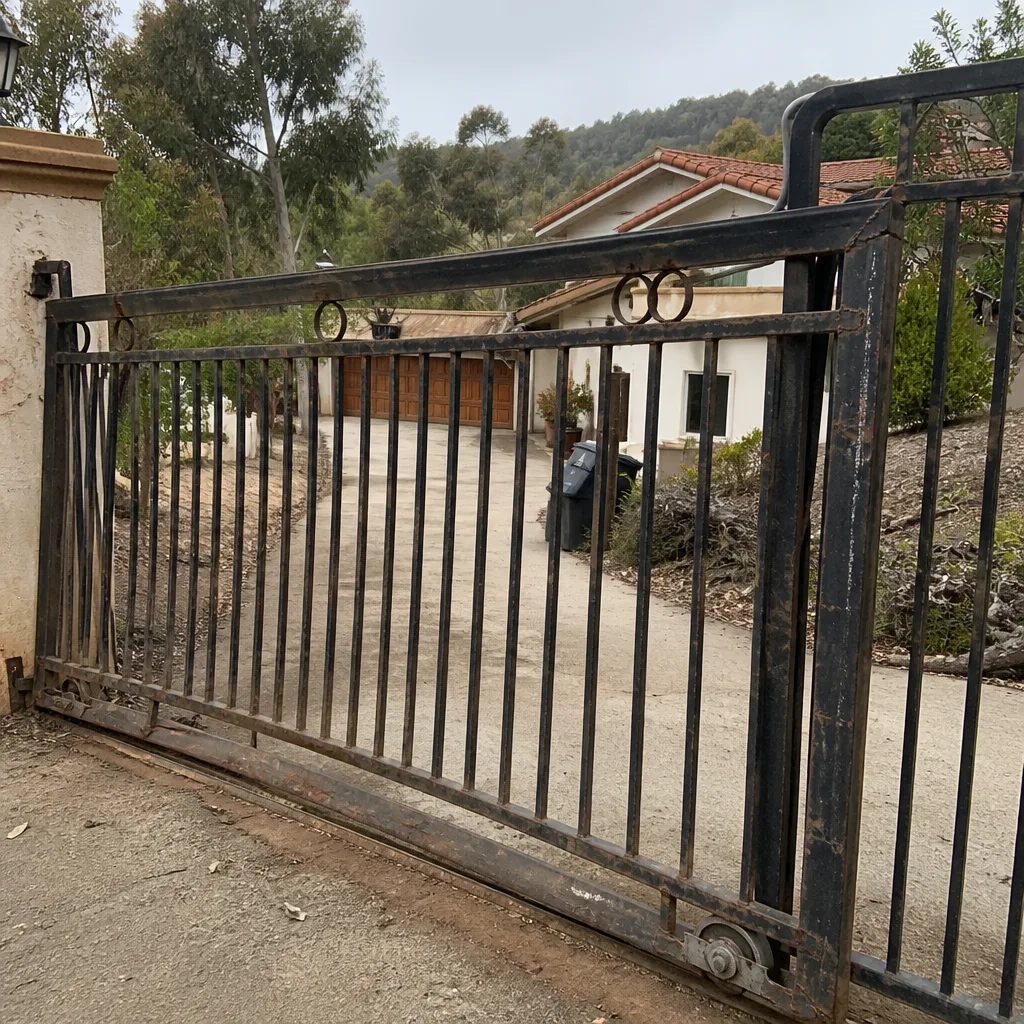
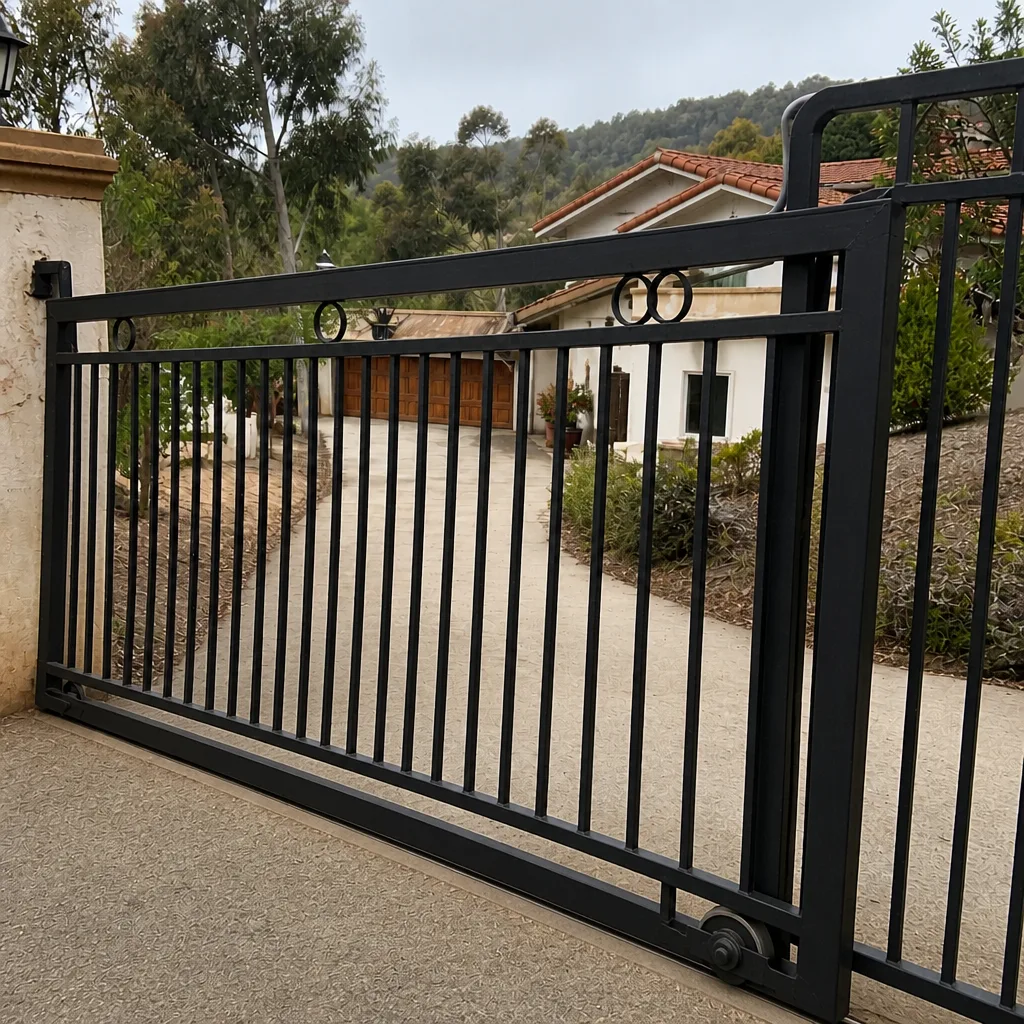
See the difference
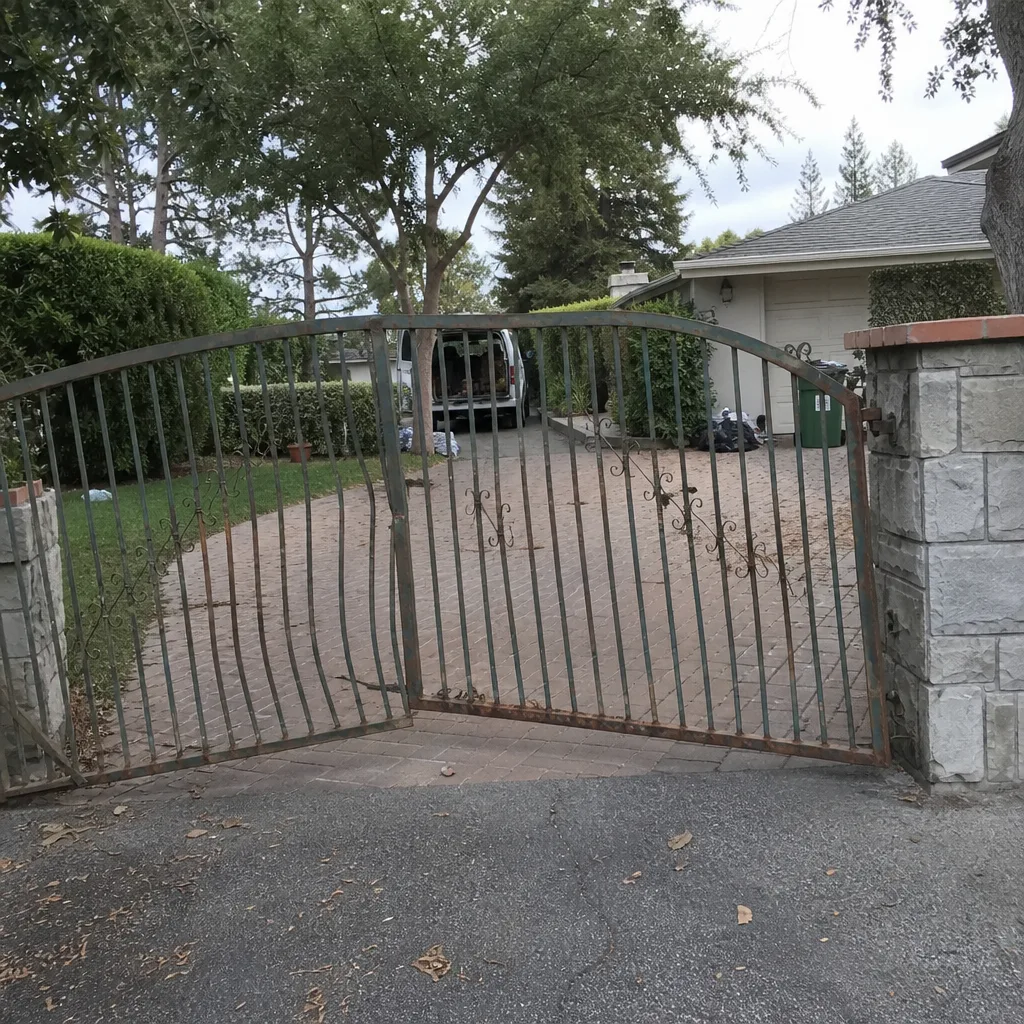 Before
 After
 Before
 After
 Before
 After