
Last updated November 4, 2026
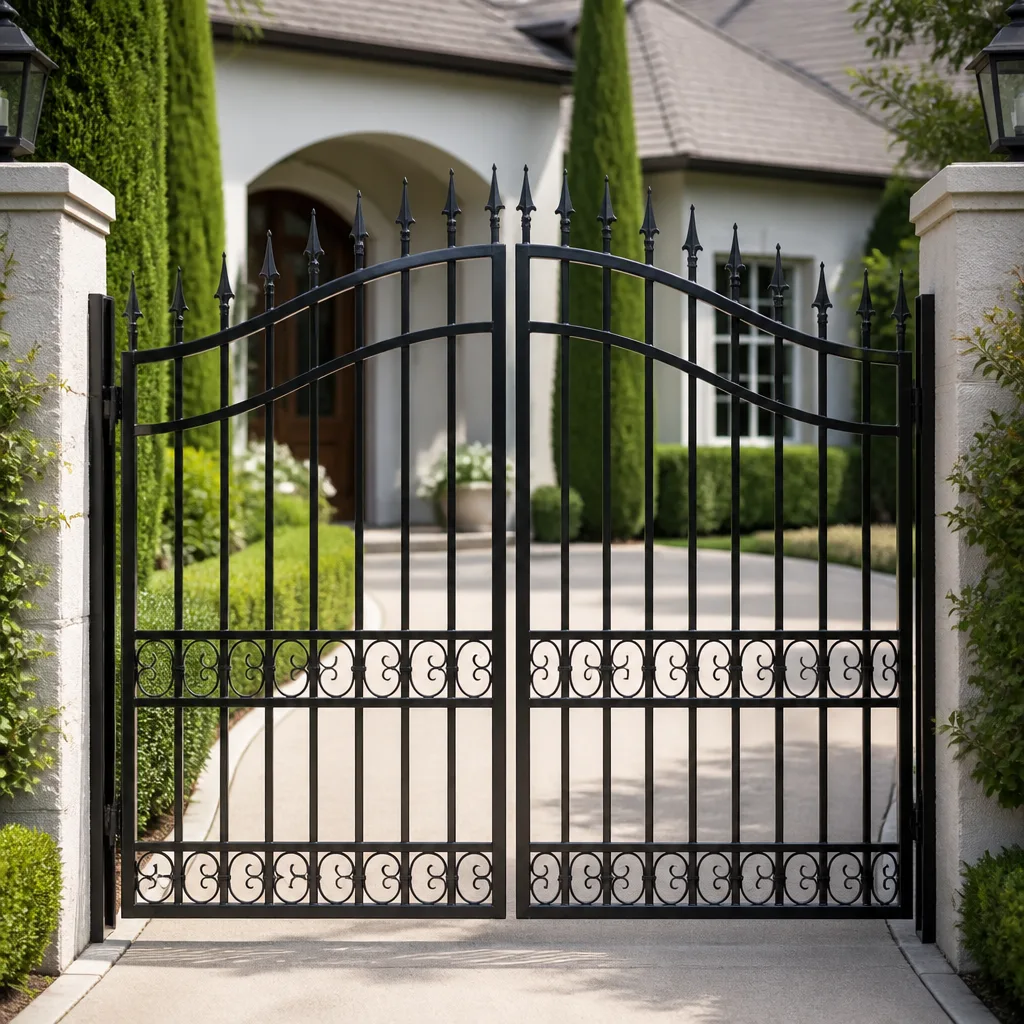 Wrought iron
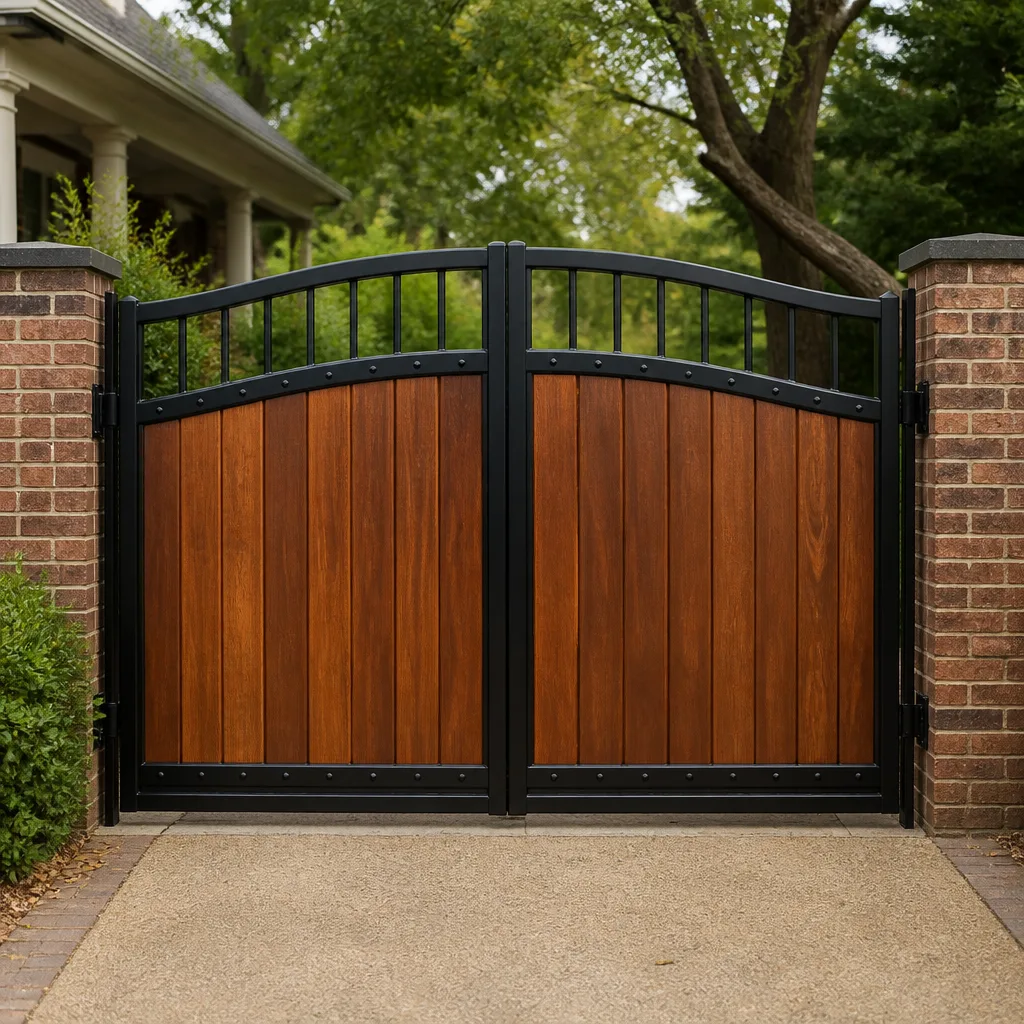 Wood & steel frame
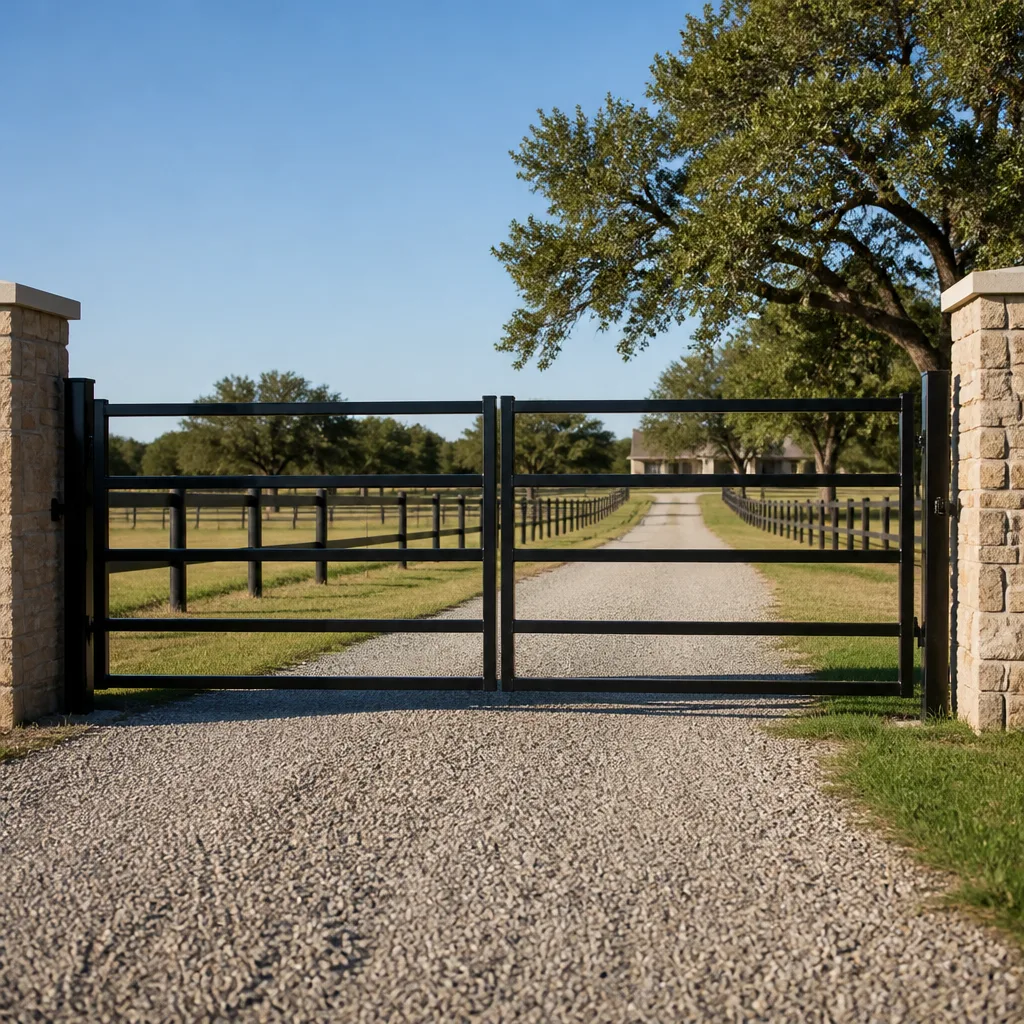 Farm & ranch
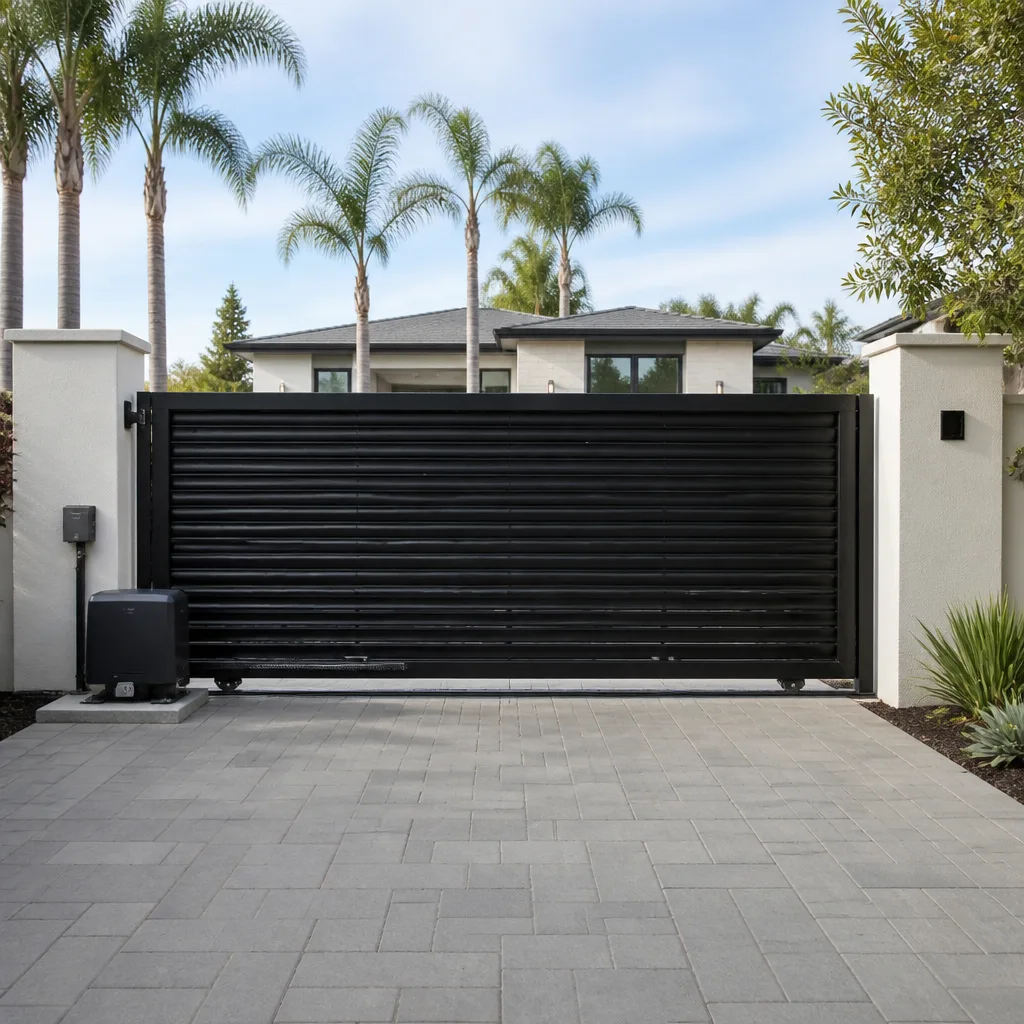 Sliding driveway gates
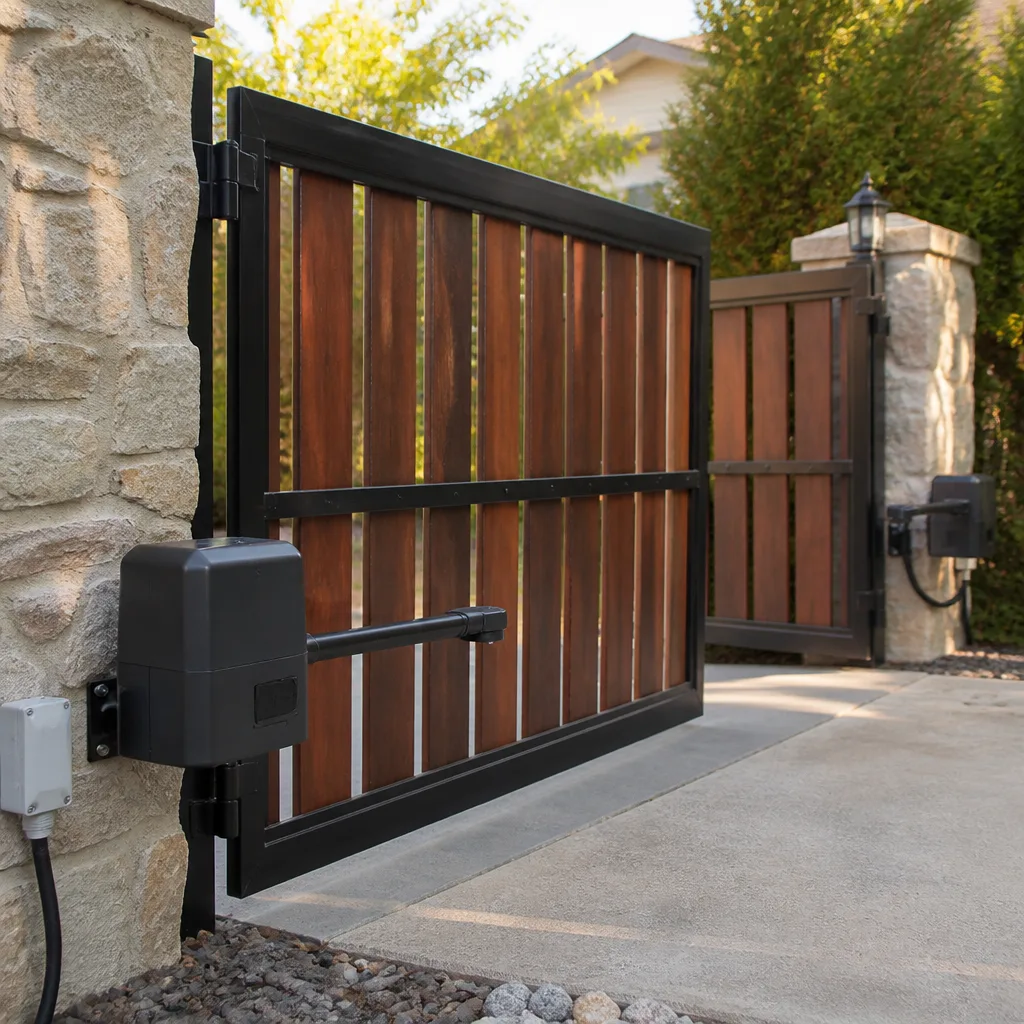 LiftMaster operators
Free on-site gate assessment - hinges, posts, and your LiftMaster or Nice gate operator checked before anything is quoted
The assessment is free and the quote is the invoice.
Get your free estimateGate Repair Emergency Preparedness Guide for Lake Forest Homes
Most Lake Forest homeowners don’t think about their gate until it refuses to move. Then the questions hit all at once: Is the property secure? Can emergency vehicles get in? Who do I call at this hour? A gate stuck open is an invitation to anyone driving by. A gate stuck closed can delay paramedics, and fire departments in Orange County can and do hold property owners responsible for delayed emergency access. This guide walks you through the exact playbook for every failure scenario, including the manual release steps most Lake Forest residents have never tested, how to secure a gate overnight without making things worse, and what to say on the phone so a technician shows up prepared.
Styles & brands we work with
- Wrought iron
- Wood & steel frame
- Farm & ranch
- Sliding driveway gates
- LiftMaster operators
Quick Answer
Emergency gate repair in Lake Forest starts with two decisions: whether the gate is stuck open or stuck closed, and whether you can get it secured or manually released before a technician arrives. If you don’t know where your manual release is, or you’ve never confirmed it works, you have an unresolved emergency waiting to happen. Call (866) 472-6659. We answer 24/7. Fast dispatch from 7am to 7pm, Sunday through Friday.
Table of Contents
- Manual Release Locations for the Five Most Common Lake Forest Operators
- The Triage Decision Tree: Stuck Open, Stuck Closed, or Obstructed
- Securing a Gate Stuck Open Overnight Without a Technician
- Power Loss and Battery Backup: The Check Sequence
- What to Have Ready Before You Call Dispatch
- Which Failures Get Priority Dispatch in Lake Forest
- The 90-Day Emergency Prevention Routine
- Common Mistakes to Avoid
- When to Call a Professional
- Frequently Asked Questions
- The Bottom Line
Manual Release Locations for the Five Most Common Lake Forest Operators
The single most useful thing you can do before an emergency is locate and test your gate’s manual release. In our experience servicing Lake Forest homes, most automated gates have one, but fewer than half of owners can find it in the dark. The release disengages the operator so you can push or slide the gate by hand. Here are the non-obvious steps for the five operators we see most often in Lake Forest communities.
LiftMaster. Look for a red or yellow handle on the operator arm itself. Pull it straight out and away from the gate, not down. The arm will swing free. On slide-gate installations, the release is usually a lever on the side of the motor housing marked “manual.” Test it with the gate closed and the power on.
Viking. Viking operators hide the release behind a small access panel on the side of the motor box. Remove the two screws, reach inside, and you’ll find a T-handle. Turn it counterclockwise until the gear disengages. If the T-handle won’t turn, don’t force it. The gate may be under load.
Elite. Elite slide operators use a vertical release rod that drops down from the bottom of the motor housing. You pull it toward you, not up. A padlock may be threaded through the rod on properties where the HOA or previous owner wanted to prevent tampering. If you don’t have the key, a technician can cut it, but you’ll need a new lock afterward.
DoorKing. DoorKing swing operators have a release lever on the inside of the arm where it meets the gate bracket. It’s a flat silver tab, not a handle. Press it and swing the gate by hand. On slide operators, the release is a square knob on the side of the gearbox labeled “manual operation.”
Linear. The Linear release is often a red pull handle on a cable that runs from the operator to the gate. Pull it firmly but smoothly. The cable operates a clutch that disengages the drive. If the cable feels like it’s stretching without releasing, stop and call us. That’s a sign the clutch is corroded.
Test your manual release twice a year. Do it in daylight, with no cars in the way. If you can’t find it, or it won’t move, that’s a maintenance item to address before you need it at 10 PM.
The Triage Decision Tree: Stuck Open, Stuck Closed, or Obstructed
Every gate emergency falls into one of three categories. The category determines your first move, not the brand of operator or the age of the gate. Here’s the decision tree we walk Lake Forest homeowners through on the phone.
1. Gate stuck open
- Security comes first. A gate stuck open at a Lake Forest home means the property is exposed to drive-by traffic. If you can’t close it manually, block the opening with a vehicle until you find a temporary barrier.
- Check the photo-eye sensors. If something is breaking the beam, the gate will refuse to close. Clean the lenses with a dry cloth and clear any debris.
- Look for obstacles on the track. A rock, a branch, or a wad of leaves can stop a slide gate. For swing gates, check the arc for anything that wasn’t there yesterday.
- Try the manual close. Disengage the operator and push the gate closed by hand. If it moves, close it and lock it. If it won’t budge, you need a technician.
2. Gate stuck closed
- Manual release first. A gate stuck closed is a fire-access problem. Disengage the operator immediately, then push or slide the gate open by hand. If it opens manually, the problem is electrical or mechanical in the operator, not the gate itself.
- Check for power. If the operator has no power, see the battery backup section below. If the operator has power but won’t move the gate, the issue is likely a limit switch, capacitor, or control board.
- Do not force a gate that won’t move. If the manual release is disengaged and the gate still won’t move, something is physically binding: a bent track, a failed wheel, a broken hinge weld, or a gate that has come off its carrier. Forcing it can tear the gate frame and make the repair far more expensive.
3. Gate hitting an obstruction
If the gate starts, hits something, and reverses, the obstruction sensor is doing its job. Never disable the sensor or crank up the force setting to push through the obstruction. That’s how fingers get crushed and gates get ripped off their mounts. Identify what’s in the way, remove it, and test the gate again. If it still reverses with nothing visible in the path, the sensor may be misaligned or failing, or the operator’s internal limit settings may be off. That’s a phone call, not a DIY adjustment.
Securing a Gate Stuck Open Overnight Without a Technician
A gate stuck open at night in Lake Forest needs a temporary barrier. Not necessarily to make the property impenetrable, but to make it look occupied and to keep out casual entrants. Here’s what works without creating new damage.
- Park a vehicle across the opening. This is the fastest option. Pull a car or SUV across the gate opening, bumper to post. Leave the keys accessible to people who may need to move it.
- Use a heavy-duty chain and padlock. If the gate is a swing gate and you can close it manually, chain the gate to the opposite post. This works even if the operator is dead. For slide gates, chain the leading edge to the receiver post.
- Set up temporary barricades. Trash cans, sawhorses, or cones won’t stop a determined intruder, but they signal that the opening is not an invitation. Combine a barricade with a vehicle for best results.
- Shut off vehicle access another way. If your home has a secondary pedestrian gate or a driveway gate at the street, you may be able to close that instead. Even a manual chain across the drive is better than an open gate.
Do not improvise a repair with bungee cords, rope, or ratchet straps tied to the operator arm. The gate is heavy, and a slapdash tie-down can slip, snapping the arm or cracking the operator housing. Do not use a cinder block or a log as a chock for a slide gate. If the gate rolls, it will shove the chock into the track and bend the rail. Keep any temporary solution simple and reversible.
If the gate is stuck open and you can’t close it by hand, call (866) 472-6659. We answer 24/7. Fast dispatch from 7am to 7pm, Sunday through Friday. A technician can secure the gate properly or perform the repair on the spot.
Power Loss and Battery Backup: The Check Sequence
Lake Forest power outages are rare but they happen, usually during the hottest months when the grid is stressed. If your gate won’t open and the house has power, the first thing to check is the gate’s own breaker or GFCI outlet. If the breaker is fine, the operator may have an internal fuse or a failed transformer. If the whole block lost power, your gate’s battery backup system is what determines whether you can get in or out.
Battery backup check sequence
- Find the battery. Most battery backups are installed in a small metal box near the operator. LiftMaster and Linear installations often have a separate backup unit. Viking and DoorKing operators may have the battery inside the main housing.
- Listen for a beep. Many backup systems beep when they’re running on battery. Some have an LED that changes color. Check the manual for your specific operator.
- Test the gate. If the battery is functioning, the gate should open and close at reduced speed. A healthy backup will cycle the gate several times. A weak battery may open once and then die.
- Check the battery age. Gate backup batteries last three to five years in Lake Forest’s mild climate. If yours is older, or if the gate has been cycling on battery during every brief outage, the battery may be done.
If the gate opens manually but not electrically, the problem is power or electronics. If the manual release works, you’re not trapped, but you still need the electrical issue diagnosed. Electric gate repair is our core service, and we work both the control board and the wiring, not just the mechanical side.
What to Have Ready Before You Call Dispatch
An emergency call to a gate technician should take two minutes, not ten. Having the right information ready gets a truck rolling faster and makes sure the technician arrives with the right parts. Here’s what to have.
- The gate type. Swing or slide. Single or double leaf. If it’s a slide gate, note whether it’s a chain-drive or a rack-and-pinion.
- The operator brand and model. LiftMaster, FAAC, BFT, Linear, Viking, DoorKing, Elite, or Mighty Mule. The model number is usually on a label on the side of the operator housing. If you can’t find it, a photo helps.
- What the gate is doing exactly. Not “it’s broken.” Is it stuck open? Stuck closed? Opening halfway and stopping? Reversing after hitting the ground? Making a grinding noise? Moving slower than usual?
- When it started. Did it fail this morning, or has it been acting up for a week? A gate that worked yesterday and won’t move today is a different diagnostic path than one that’s been slow and noisy for a month.
- What you’ve already tried. Did you test the manual release? Did you check the breaker? Did you clean the photo eyes? Tell us so we don’t ask you to do it again.
- Your address and gate access. If the gate is at a community entrance or a back driveway, tell us exactly how to reach it. A technician who can’t find the gate wastes your time and theirs.
You don’t need to diagnose the problem yourself. You just need to describe what you see. A clear description cuts the on-site diagnostic time in half.
Which Failures Get Priority Dispatch in Lake Forest
Not every gate problem is a true emergency, and knowing the difference saves you time and saves the next homeowner in line a longer wait. Here’s how Gate Repair Lake Forest thinks about urgency.
Priority dispatch
- Gate stuck open and can’t be closed manually, leaving the property unsecured overnight.
- Gate stuck closed and blocks the only vehicle access to a home, especially a home with an attached garage.
- Gate that fell off its track or off its hinge and is lying in the driveway or leaning dangerously.
- Operator making a loud grinding or popping noise while trying to move, indicating a stripped gear or a failing motor that could seize at any moment.
- Any failure at a community entrance where the gate controls access for multiple Lake Forest homes.
Can safely wait until morning
- Gate stuck closed but the manual release works and you can open it by hand, then close it with a chain.
- Gate stuck open but you can push it closed manually and secure it temporarily.
- Photo-eye alignment issue where the gate reverses but still closes when you hold the button.
- Slow operation that got gradually worse over weeks, not hours.
- A dead battery backup after a brief outage, if the gate works normally on house power.
The test is simple: Is the property secure, and can vehicles get in and out? If both answers are yes, the emergency is downgraded to a scheduled repair. If either answer is no, call us. We answer 24/7. Fast dispatch from 7am to 7pm, Sunday through Friday.
The 90-Day Emergency Prevention Routine
Most gate emergencies are preventable with a short quarterly check. Lake Forest’s mild, dry climate is easy on gates compared to coastal or mountain environments, but dust and heat do their own damage. Dust gets into limit switches and photo-eye lenses. Heat stresses capacitors and control boards. Here’s the 15-minute routine we recommend.
- Test the manual release. Disengage and re-engage the operator. Confirm the gate swings or slides freely by hand. Re-engage and make sure the operator takes over cleanly.
- Clean the photo-eye lenses. A dry microfiber cloth is enough. Don’t use water or spray cleaner, which can leave a film that makes the problem worse.
- Inspect the track and wheels. Remove rocks, leaves, and debris. Check for flat spots on the wheels or wear on the rail. A wobbling wheel is a failing wheel.
- Check the hinge welds and brackets. Look for hairline cracks where the hinge meets the gate frame. Cracks spread slowly and then fail suddenly.
- Listen to the operator. Run the gate once and listen. A smooth hum is fine. A grind, a squeal, or a knocking sound means something is wearing out.
- Test the battery backup. Cut power to the operator and cycle the gate on battery. If it won’t open, replace the battery before you need it.
This routine takes less time than reading this guide, and it catches the slow-motion failures that turn into 10 PM emergencies. If you find anything questionable, call for a service visit before it fails.
Common Mistakes to Avoid
- Forcing a gate that won’t move. Pushing harder or cranking up the operator’s force setting turns a $200 repair into a $2,000 replacement. If the manual release is disengaged and the gate still won’t move, the gate is physically bound. Stop and call.
- Ignoring a slow or noisy gate. Gates don’t heal themselves. A grinding noise today is a stripped gear tomorrow. Every week of ignoring it adds cost to the eventual repair.
- Not testing the manual release until you need it. A manual release that’s corroded, missing, or padlocked without a key is useless at 10 PM. Test it in daylight every six months.
- Disabling safety sensors to keep the gate moving. Bypassing the photo-eyes or the edge sensor to force the gate closed is how people get hurt. These devices exist for a reason. Repair the sensor, don’t defeat it.
- Using a universal remote to rule out the operator. If the gate stops responding to a remote, the problem could be the remote, the receiver, the control board, or the power supply. Swapping remotes without testing the manual release and the wall button wastes time.
- Leaving a gate stuck open overnight without a barrier. An open gate at a Lake Forest home signals an unsecured property. Park across the opening or chain the gate closed, even if the operator is dead.
- Waiting until morning to call for a gate that blocks emergency access. If a fire truck can’t reach the house, the situation is urgent whether the sun is up or not. Call when you discover it.
When to Call a Professional
Call a gate specialist when the manual release won’t disengage, when the gate is physically off its track, when the operator runs but the gate doesn’t move, or when you’ve tried the basics and the gate still isn’t working. These are not remote-control problems. They involve heavy panels, electrical wiring, and moving parts that can crush or pin. A trained technician can diagnose most gate problems on the first visit and repair them without turning a small fault into a major rebuild. Lake Forest homeowners should know: Gate Repair Lake Forest offers free estimates in Lake Forest. Call (866) 472-6659. We answer 24/7. Fast dispatch from 7am to 7pm, Sunday through Friday.
Frequently Asked Questions
First, check the photo-eye sensors for dirt, debris, or misalignment. Clean the lenses and clear anything blocking the beam. If the gate still won’t close, disengage the manual release and push it closed by hand, then chain or lock it in place. If it won’t move manually, call (866) 472-6659. We answer 24/7 and can dispatch a technician to secure the gate correctly.
Locate the manual release on your operator. The exact location depends on the brand, but it’s usually a red or yellow handle, a T-handle behind an access panel, or a pull rod on the motor housing. Disengage it and push or slide the gate by hand. If you’ve never tested the release, this is why you should. Lake Forest homeowners who don’t know where their release is should call us and we’ll walk through it on the phone.
Yes. Same-day dispatch is available from 7am to 7pm, Sunday through Friday. For a gate stuck open that can’t be secured, or a gate that blocks vehicle access to a home, we treat it as a priority call. Call (866) 472-6659 and describe what the gate is doing. We answer 24/7.
We work on LiftMaster, FAAC, BFT, Linear, Viking, Ghost Controls, DoorKing, Elite, and Mighty Mule. That spans entry-level residential systems to commercial-grade operators, so we can service whatever your Lake Forest home already has rather than pushing a single brand.
Yes. We specialize exclusively in gates, and our electric gate repair service covers control boards, wiring, loop detectors, and access systems as well as mechanical hardware like hinges, tracks, and wheels. Most gate problems are diagnosed on the first visit.
Do not try to lift it back onto the track yourself. A slide gate that’s off the rail is extremely heavy and can shift suddenly. Secure the area, keep children and pets away, and call a professional. Same-day dispatch is available from 7am to 7pm, Sunday through Friday.
The Bottom Line
A gate emergency in Lake Forest is a security problem and an access problem at the same time. The difference between a bad night and a manageable one is knowing your manual release, securing the opening quickly, and calling a specialist who can diagnose the failure on the first visit. Test your release every six months. Keep the photo-eyes clean. Listen for changes in how the gate sounds and moves. And when the gate fails anyway, don’t force it. Call (866) 472-6659. We answer 24/7. Fast dispatch from 7am to 7pm, Sunday through Friday. Gate Repair Lake Forest specializes exclusively in gates, nothing else, and we’ve been serving Lake Forest since 2017.
Written by the team at Gate Repair Lake Forest, serving Lake Forest since 2017.
See the difference
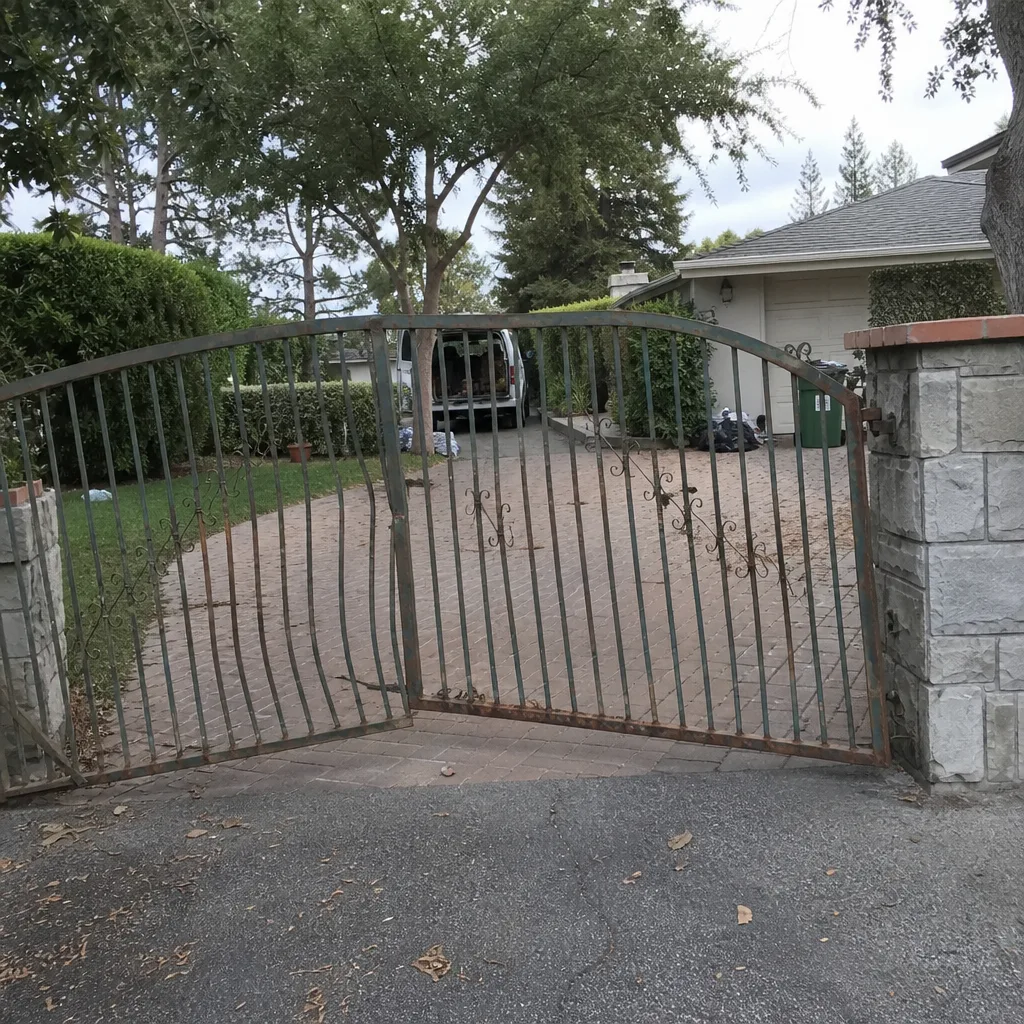 Before
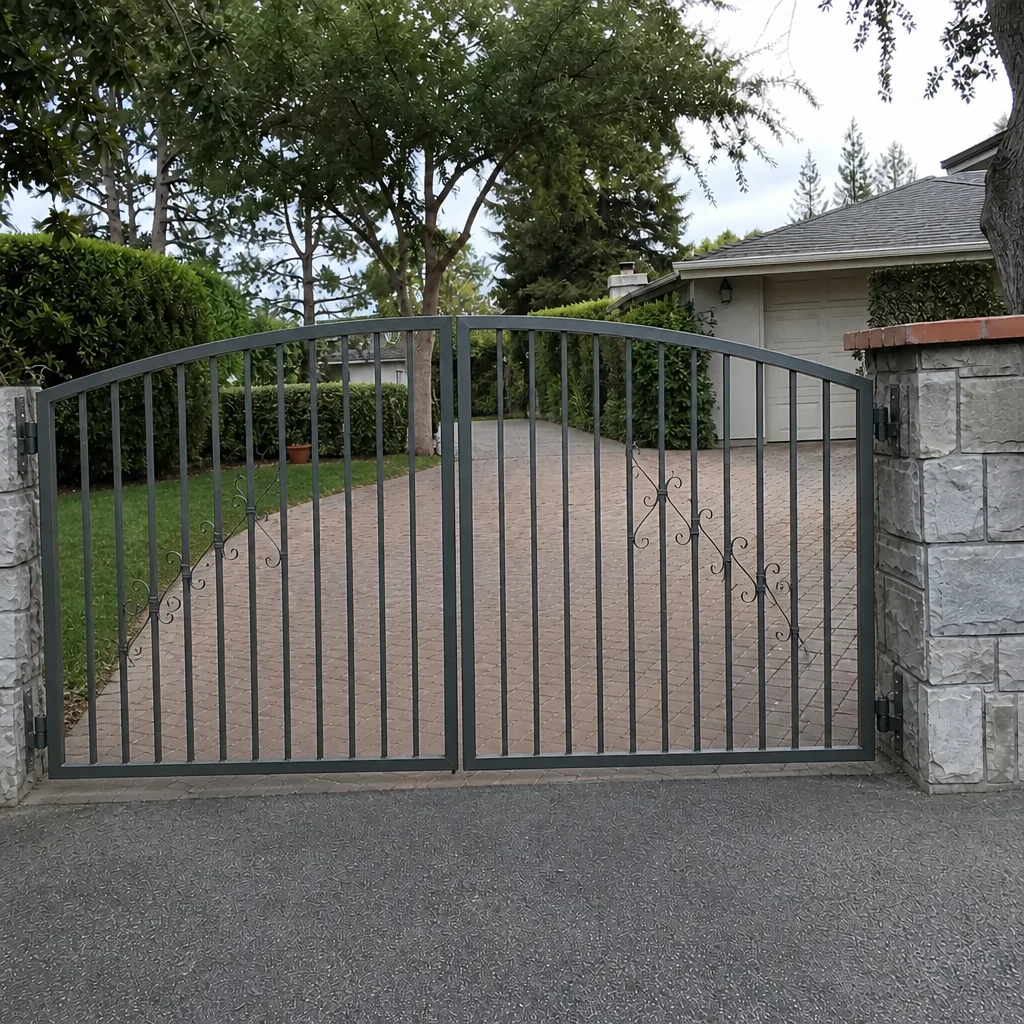 After
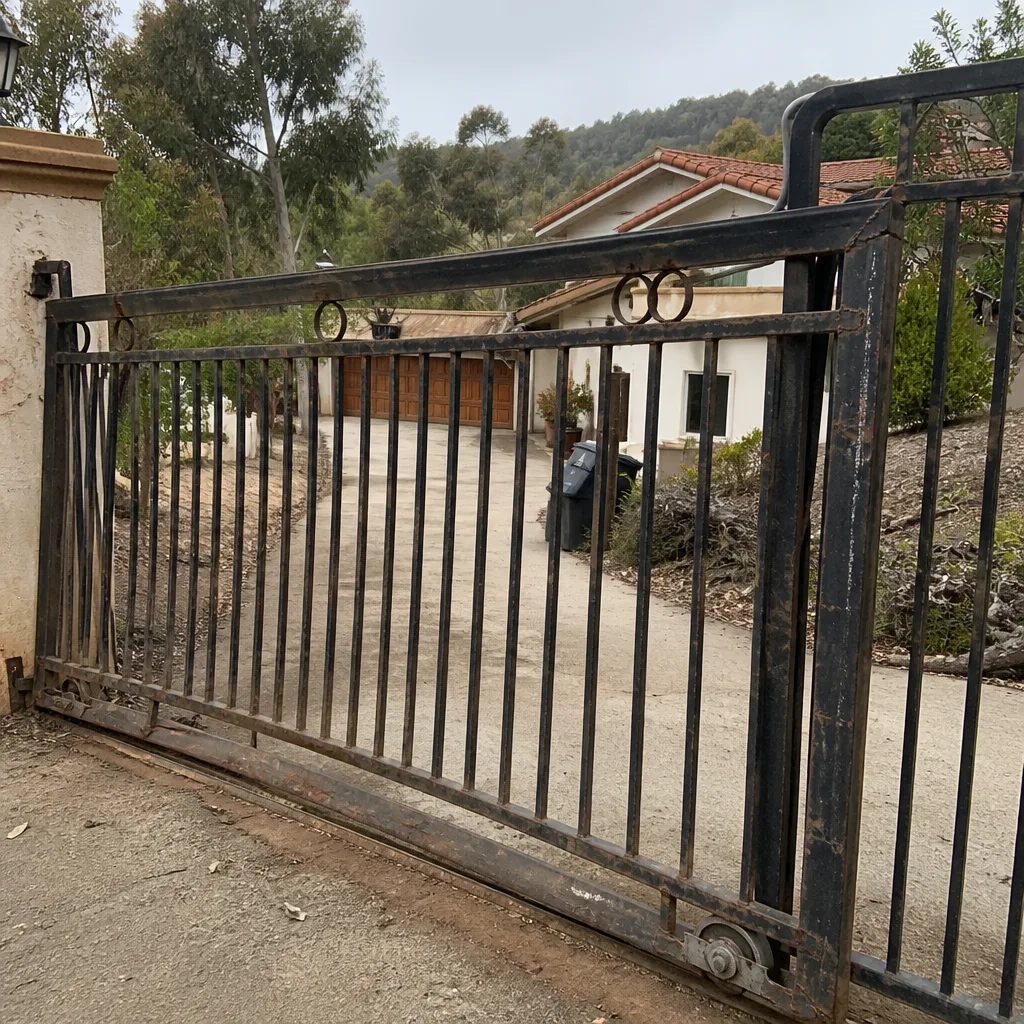 Before
 After
 Before
 After